|
Getting your Trinity Audio player ready...
|
Emerging Markets for Bulk Commodities via Dubai Ports
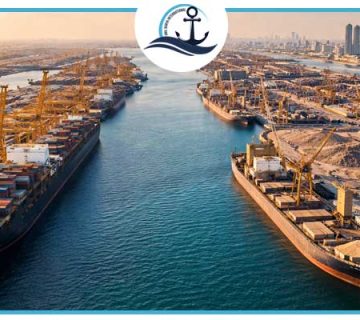
Over the last two decades, Dubai has transformed from a regional trading center into a global powerhouse for bulk commodity logistics, connecting Asia, Africa, and Europe through an unparalleled network of maritime, land, and air routes. The emirate’s ports—particularly Jebel Ali Port, operated by DP World—have become symbols of efficiency, flexibility, and connectivity for traders dealing in industrial raw materials, minerals, grains, fertilizers, and metals.
This growth is not coincidental. It’s the result of Dubai’s strategic investment in infrastructure, digital customs systems, and free-zone frameworks like JAFZA that encourage international traders to re-export through the UAE. In essence, Dubai’s ports do more than handle cargo—they reshape global supply chains by reducing time, risk, and cost for exporters and importers alike.
Dubai’s Unique Advantage in Bulk Commodities
The UAE’s success in bulk trade lies in a blend of logistical precision and policy liberalization.
While other regional ports face bureaucratic delays, Dubai’s maritime environment operates under a single-window clearance system, electronic documentation, and fully integrated port management technologies.
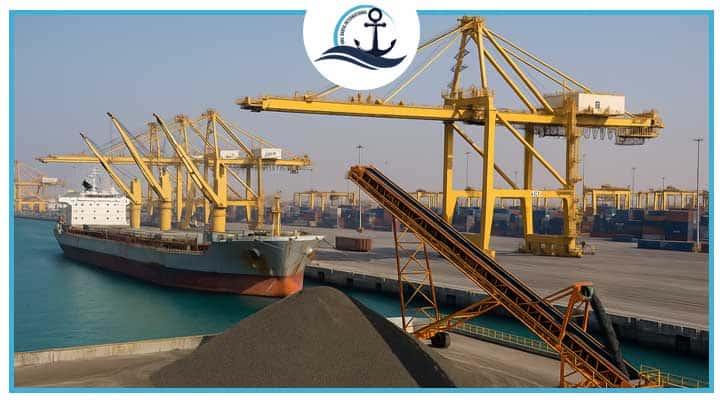
Jebel Ali, the heart of this network, provides:
- Deep-water terminals capable of accommodating Panamax and Capesize vessels
- Specialized berths for cement, aggregates, steel scrap, and fertilizers
- Advanced conveyor and silo systems to handle dry bulk with minimal spillage
- Bonded warehouses within JAFZA Free Zone, enabling cargo to be stored duty-free until final export
- Seamless multimodal transport connectivity with road corridors, Dubai Logistics Corridor, and nearby air freight terminals
This synergy allows Dubai to outperform competitors like Salalah, Sohar, or Port Said when it comes to turnaround time and trade flexibility.
The Role of Free Zones in Bulk Re-Export
One of Dubai’s greatest strengths lies in its free-zone system, which allows traders to temporarily import goods without paying customs duties until re-export.
For bulk commodities—such as clinker, gypsum, fertilizers, and bauxite—this is a game changer. Materials can be stored, processed, or repackaged within JAFZA or Hamriyah before being shipped to their final destinations in Africa or South Asia.
A trader importing steel coils from Turkey, for example, can store them in JAFZA, consolidate with other suppliers, and re-export to Kenya or Tanzania—all under one customs registration.
This reduces operational costs, minimizes financial exposure, and ensures a steady supply to emerging infrastructure markets.
Emerging Markets Reshaping Dubai’s Bulk Trade Corridors
As global industrial production expands beyond Europe and North America, new trade routes are emerging—and Dubai sits at the crossroads of them all.
-East Africa is experiencing massive infrastructure growth, requiring imports of cement, clinker, and construction steel—all handled via Jebel Ali.
-South Asia led by India, Pakistan, and Bangladesh, relies on Dubai for fertilizers, petrochemical by-products, and metal ores.
-Central Asia and the CIS region have become growing re-export destinations for UAE-traded aluminum, copper, and raw minerals.
At the same time, West Africa has emerged as a promising new market. With limited local refining capacity, many nations—like Nigeria, Ghana, and Ivory Coast—import bulk commodities directly from Dubai’s free-zone suppliers, taking advantage of its logistical reliability and fast vessel connections.
Dubai’s shipping routes to these markets are supported by break bulk and multipurpose vessels, allowing flexible cargo combinations that reduce cost per ton and shorten delivery timelines.
Jebel Ali Port: The Beating Heart of UAE Bulk Trade
Jebel Ali Port isn’t just a transit point—it’s a trade ecosystem. Its state-of-the-art terminals handle millions of tons of dry bulk annually, from raw minerals to industrial grains.
The surrounding JAFZA logistics cluster offers more than 7,000 companies, including major shipping lines, freight forwarders, and third-party logistics providers, creating an interconnected hub unmatched in the region.
What sets Jebel Ali apart is operational versatility. Bulk shipments can be:
- Stored in bonded silos or yards without customs duties
- Cross-stuffed between containers or break-bulk form for optimized transport
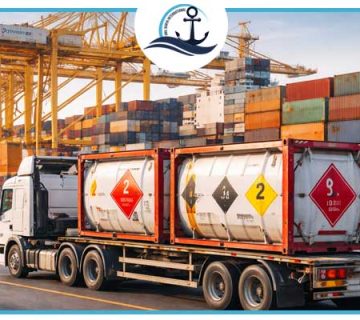
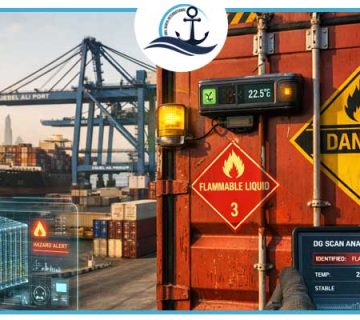
- Handled safely under DG regulations, supported by professional operators such as Anil Darya Shipping LLC
Anil Darya Shipping has developed a strong reputation for managing bulk, break bulk, and dangerous goods (DG) shipments with full compliance under IMDG Code 42-24 and UAE port safety regulations. Their expertise in sea freight, multimodal transport, and door-to-door coordination makes them a trusted partner for bulk traders using Dubai as a global base.
The Commercial Edge: Why Traders Choose Dubai
Dubai’s infrastructure doesn’t just serve trade—it accelerates it.
Traders gain access to predictable schedules, low demurrage, and transparent port fees. Combined with the emirate’s tax-free re-export model, it’s no surprise that Dubai has become the preferred hub for commodity redistribution across Africa and Asia.
From a commercial perspective, the benefits include:
- Faster cargo turnover due to efficient customs inspection
- Access to specialized terminals for fertilizers, aggregates, and metals
- Reduced operating costs through free-zone warehousing
- Flexible financial terms and trade documentation under UAE’s progressive maritime laws
These features have made Dubai a stabilizing node in global supply chains—particularly valuable during times of global uncertainty or freight rate volatility.
Sustainability and Smart Port Development
Dubai’s maritime authorities, including DP World and Dubai Maritime City, are actively pursuing sustainability under IMO 2025 emission goals.
The port’s digitalization initiatives—such as e-payment gateways, cargo tracking portals, and automated loading systems—have reduced vessel idle time and improved transparency.
At the same time, Anil Darya Shipping integrates these sustainability principles into its operations. By employing route optimization, consolidating DG and non-DG loads safely, and reducing bunker consumption, the company aligns with Dubai’s long-term vision of becoming the greenest and smartest logistics hub in the Middle East.
Real-World Example: Connecting Markets Through Dubai
Imagine a fertilizer exporter in Oman seeking access to East African buyers. Shipping directly to Dar es Salaam may take weeks and involve complex customs procedures. But by routing through Jebel Ali, the exporter can:
- Deliver cargo to Dubai under temporary import.
- Store it safely in JAFZA without immediate duty payment.
- Repackage and re-export smaller consignments to multiple destinations.
This process saves time, reduces paperwork, and ensures that the exporter maintains flexibility over final markets.
Similarly, a cement manufacturer in India or mineral trader in Central Asia can use Dubai’s multimodal freight solutions—combining sea, road, and air—to maintain continuous supply flows with minimal delays.
Challenges and Risk Mitigation
Bulk trade through Dubai isn’t without challenges. Seasonal congestion, bunker price fluctuations, and destination market regulations can occasionally cause shipment delays. However, experienced logistics partners implement mitigation strategies such as:
- Pre-booked berths to avoid demurrage
- Moisture protection for sensitive cargo (like grains or clinker)
- Continuous tracking using IoT and satellite updates
- Backup routing via Fujairah or Hamriyah when necessary
These proactive measures—supported by compliant DG handling teams—keep Dubai’s bulk trade resilient and reliable even under volatile market conditions.
Future Outlook: Dubai’s Expanding Role
Looking ahead, Dubai’s role in UAE export markets will only deepen.
Non-oil exports, especially bulk commodities like aluminum, fertilizers, clinker, and aggregates, are forecast to grow by over 30% in the next five years.
New logistics corridors such as Etihad Rail will soon connect Jebel Ali directly to Abu Dhabi and the Northern Emirates, streamlining inland transport for both export and import flows.
Dubai’s strategic advantage lies not just in infrastructure but in adaptability—its ability to pivot trade routes, integrate digital customs, and host value-added logistics companies like Anil Darya Shipping that handle every step, from port operations to international documentation.
If your company trades in bulk materials, industrial goods, or break-bulk cargo, there has never been a better time to leverage Dubai’s maritime network.
Contact Anil Darya International L.L.C-FZ, your trusted partner in Dubai, for:
- Bulk cargo booking via Jebel Ali
- Dangerous goods handling and certification
- Door-to-door multimodal coordination
- Cross-stuffing, free-zone warehousing, and customs documentation
Frequently Asked Questions (FAQ)
Its central location, advanced ports, digitalized customs systems, and free-zone advantages make it the most efficient re-export hub between Asia, Africa, and Europe.
Emerging markets in East Africa, South Asia, and Central Asia dominate trade volumes, while West Africa is rapidly expanding as a new growth zone.
Yes. Licensed operators like Anil Darya Shipping manage DG cargo under full IMDG compliance and UAE safety codes.
Duty-free storage, faster customs clearance, reduced port congestion, and multiple re-export options make Dubai more cost-effective than direct shipments.
Absolutely. With continuous investment in automation, rail connectivity, and environmental compliance, Dubai is building the next generation of sustainable maritime logistics.