|
Getting your Trinity Audio player ready...
|
Bulk Cargo Scheduling: How to Plan Around Port Closures and Peak Seasons
In global maritime trade, timing isn’t just important — it’s everything. For shippers and exporters moving bulk cargo through Dubai and UAE ports, the challenge isn’t only about finding vessel space or competitive freight rates; it’s about understanding when, where, and how port conditions can change your entire schedule.
The ability to plan around port closures and freight peak seasons can determine whether your vessel discharges smoothly or waits at anchorage for days. With Dubai being one of the busiest maritime hubs in the Middle East, even a few hours of delay can cascade into significant cost overruns, demurrage, and lost business opportunities.
That’s why Anil Darya Shipping LLC, a Dubai-based leader in bulk, break-bulk, and dangerous goods logistics, has built a reputation for helping clients anticipate disruptions before they happen. Through a blend of foresight, technology, and deep operational expertise, we help our partners move bulk commodities efficiently — even during congestion, seasonal peaks, or port maintenance closures.
Why Bulk Cargo Scheduling Matters in Dubai
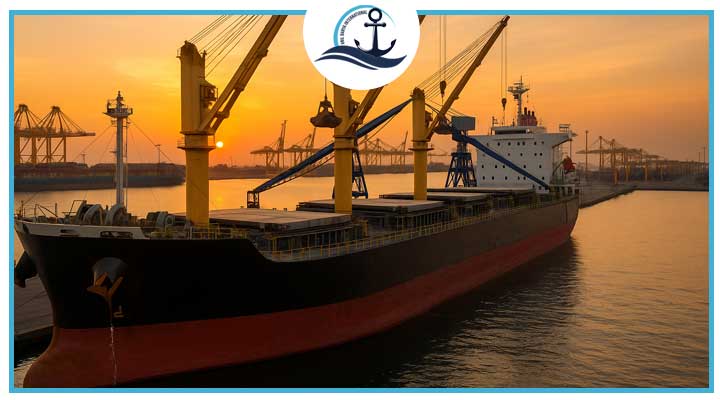
Bulk cargo scheduling is both art and science. Unlike containerized freight, bulk shipments don’t follow fixed liner schedules. Their success depends on berth availability, terminal equipment readiness, and loading sequence timing.
For instance, a 12-hour weather alert at Jebel Ali Port might not impact containers but could delay a bulk vessel by 36 hours, since cranes, hoppers, and discharge pipelines must be realigned manually. These disruptions not only affect vessel time but also cause warehousing bottlenecks and trucking rescheduling downstream.
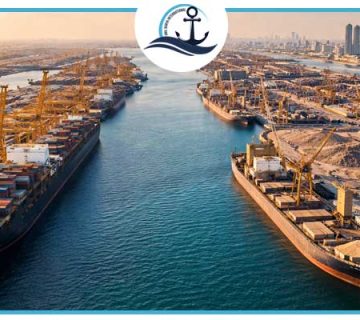
In the UAE, ports like Jebel Ali, Khalifa, Hamriyah, and Fujairah operate efficiently, but they’re not immune to congestion — especially around Eid holidays, National Day, or scheduled maintenance periods. When such closures occur, cargo handling is restricted, customs clearances are delayed, and trucking movement within the port zone slows down.
Anil Darya Shipping specializes in preempting these slowdowns. Our scheduling team tracks marine circulars, weather forecasts, and terminal utilization rates weeks ahead to ensure every client’s vessel has a contingency plan.
Seasonal Trends and Peak Freight Patterns
Understanding freight peak seasons in Dubai requires observing the commodity flow that defines each quarter. Bulk cargoes follow unique seasonal rhythms based on industrial demand:
- Q1–Q2: Rising construction activity pushes demand for steel, clinker, and gypsum exports.
- Q3: Energy products and fertilizers dominate, especially before monsoon season ends.
- Q4: Importers rush to replenish inventories before year-end audits and holidays.
During these times, vessel space tightens, freight rates rise, and UAE port congestion increases. Berth availability shrinks, while terminal storage becomes a logistical challenge.
At Anil Darya, we forecast these patterns using historical shipment data, trade lane analytics, and real-time port visibility. By identifying when peaks are likely to occur, we help clients book early, negotiate better charter terms, and avoid last-minute rate surges.
Port Closures: The Hidden Variable
While port authorities in Dubai and Abu Dhabi announce major closures in advance, many operational slowdowns are subtle — partial restrictions rather than full shutdowns. These include:
- Weather-based restrictions (e.g., sandstorms, strong winds, or poor visibility).
- Maintenance of loading arms and cranes.
- Customs IT or document system upgrades.
- Security drills or vessel inspection delays.
Each of these can cause half-day to multi-day delays if not anticipated. That’s why Anil Darya Shipping constantly liaises with DP World’s port operations, terminal control rooms, and customs desks to preempt issues.
If a closure or slowdown is expected, we promptly adjust sailing plans, reallocate warehouse space, and even recommend shifting the port of call — for example, from Jebel Ali to RAK or Sharjah Hamriyah for suitable bulk vessels.
Strategic Planning: Aligning Time, Cargo, and Compliance
Successful scheduling isn’t only about vessel timing — it’s about aligning every element of the cargo chain.
From documentation to discharge coordination, every small detail can influence when your cargo moves.
Anil Darya’s scheduling model revolves around three key principles that every shipper should apply:
Forecast and Reserve Early
Document and Declare Accurately
Maintain Alternate Routing Plans
1-Forecast and Reserve Early
Estimate shipment size and vessel availability at least four weeks before loading. For large tonnage, such as clinker or fertilizer, early booking often secures better berthing slots and lower charter rates.
2-Document and Declare Accurately
Delays often begin with mismatched documentation — an incorrect HS code, missing inspection certificate, or unverified packing list.
Our documentation team verifies every file against UAE customs standards to avoid hold-ups at terminal gates.
3-Maintain Alternate Routing Plans
When Dubai’s major ports experience congestion, secondary ports such as RAK, Fujairah, or Ajman may provide faster turnaround. Flexibility ensures continuity. (See also “Break Bulk Handling Dubai”.
By integrating these steps, your bulk cargo can maintain predictable flow even when external variables shift suddenly.
Technology and Real-Time Scheduling
Modern logistics is driven by visibility. Today’s bulk cargo planners can’t rely on static ETAs; they need dynamic tracking that updates hourly.
Anil Darya Shipping employs advanced systems that connect vessel AIS tracking, terminal congestion indices, and weather APIs. This digital framework enables:
- Automatic ETA recalculation if a vessel slows due to congestion.
- Live port activity monitoring, showing crane usage and yard density.
- Instant alerts to shippers when conditions change.
This kind of technology-backed scheduling reduces idle time, minimizes demurrage, and allows cargo owners to coordinate better with their buyers. It also gives a competitive advantage in markets where freight rates change daily based on congestion status.
Responding to Unexpected Delays
Even the most precise schedule can face disruption. Storms, system outages, or inspection delays happen — what matters is the speed of response.
When disruption occurs, Anil Darya Shipping’s 24/7 operations team initiates corrective measures immediately:
Crisis-Response Measures:
- Notify consignee and update ETA via digital dashboard.
- Coordinate with port to extend free-time or storage permissions.
- Liaise with carriers to revise laytime or claim force majeure when valid.
- Adjust customs filings and reissue documents for re-routing if required.
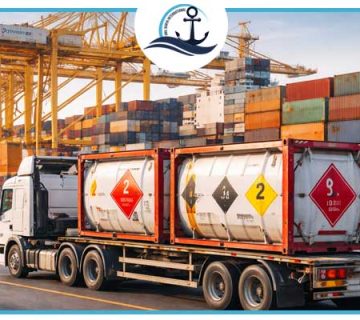
In cases involving dangerous goods (DG), our compliance department handles all UAE-specific authorizations, including Gas-Free Certificates, IMDG labeling, and MOFA clearance to ensure safety during delays.
This comprehensive management allows clients to focus on business while we handle the operational turbulence.
Environmental and Regulatory Scheduling Factors
Sustainability now plays a role in timing. With the IMO 2020 regulation limiting sulfur emissions, many ports — including in the UAE — occasionally restrict operations during high-emission hours or limit bunkering schedules.
Similarly, the EU-ETS and local “Green Port” programs push terminals to optimize energy usage, which sometimes alters equipment availability. These policies, while environmentally essential, can impact vessel turnover rates.
Anil Darya Shipping ensures compliance without disruption by planning voyages and berthing times in alignment with IMO, IATA, and UAE environmental frameworks.
We help clients adapt routes or use eco-efficient vessels, achieving both regulatory compliance and cost savings. (For a related perspective, see “Green Shipping Strategies for Dubai Sea Freight”.
Multimodal Options During Congestion
When sea schedules become unpredictable, combining modes can create powerful flexibility. Multimodal solutions — mixing sea, air, or land routes — keep trade flowing even during port delays.
For example, large shipments can arrive in Dubai by sea and then continue by road freight to GCC destinations or by air cargo for critical components. This strategy reduces risk of detention while maintaining delivery speed.
Anil Darya Shipping operates multimodal logistics networks linking Jebel Ali Port, Dubai International Airport, and UAE free zones. These connections ensure continuity even when marine congestion peaks. Related “Multimodal Freight in the UAE”.
Practical Tips for Peak Season Cargo Flow
Experience often proves more valuable than software. Over the years, Anil Darya Shipping’s planners have distilled practical, field-tested methods for maintaining reliability during Dubai’s busiest shipping periods:
Best Practices:
- Book vessel slots at least 20–25 days in advance of ETA.
- Arrange pre-loading inspection and sampling early to prevent delays.
- Communicate daily with local agents for berth updates.
- Coordinate with trucking companies ahead of holidays.
- Use free zone storage for buffer stock — ideal for re-export cargoes.
These steps may seem simple, but combined, they make the difference between timely cargo delivery and extended demurrage.
The Human Element Behind the Schedule
Even with automation and AI-based forecasting, human judgment remains irreplaceable. A planner’s intuition about market behavior — when rates are about to spike, when a port will overflow — often saves thousands of dollars.
At Anil Darya Shipping, each operation is monitored by professionals who’ve worked across terminals, shipping lines, and charter desks. Their situational awareness allows quick, informed decisions. They know which carriers perform reliably during congestion, which terminals handle bulk faster, and when to adjust stowage or route for cost efficiency.
This expertise, paired with technology, enables us to maintain near-perfect schedule reliability even during high-demand seasons.
Case Example: Bulk Shipment During Eid Closure
During one Eid season, a client shipping 18,000 MT of urea from Dubai to Mombasa faced unexpected port restrictions at Jebel Ali. The terminal announced reduced crane operations two days before loading.
Because Anil Darya Shipping’s team monitored operational updates in real time, they diverted the vessel to Sharjah Hamriyah Port within hours, re-coordinated customs clearance, and completed loading 36 hours ahead of schedule.
The result: zero demurrage, no storage cost, and a delighted consignee.
This proactive coordination demonstrates how predictive scheduling converts uncertainty into reliability.
Why Choose Anil Darya Shipping
Anil Darya International LLC-FZ (Dubai) isn’t just a freight forwarder — it’s a strategic logistics partner. Our holistic approach to bulk cargo scheduling integrates port intelligence, carrier relationships, customs coordination, and DG compliance under one roof.
We specialize in:
- Bulk & Break Bulk Logistics across GCC, Asia, and Africa.
- Dangerous Goods Transportation under IMDG and IATA standards.
- Chartering & Vessel Slot Booking with major regional carriers.
- Customs Clearance & Re-Export Documentation within UAE free zones.
From steel coils to construction aggregates, we deliver cargo safely, legally, and punctually.
Our team operates 24/7 to monitor vessel status, handle real-time contingencies, and ensure every shipment under our supervision moves as planned.
Frequently Asked Questions (FAQ)
Jebel Ali and Khalifa ports publish official marine notices. When shipping with Anil Darya, you receive direct updates and adjusted schedules immediately.
February to May and September to November are generally optimal, with fewer closures and smoother customs processing.
Our team coordinates demurrage negotiation, free-time extensions, or port transfers while keeping your consignee informed in real time.
Yes — our certified DG division ensures all IMDG and UAE safety codes are met while maintaining delivery timelines.
Absolutely. We combine sea, air, and road options across UAE’s logistics hubs for faster transit when ports are overcapacity.