|
Getting your Trinity Audio player ready...
|
Sanctions spur surge in Russian oil languishing at sea
Global oil trade routes are facing one of their most severe disruptions in years as sanctions trap record volumes of Russian crude at sea, forcing tankers into prolonged floating storage and deepening volatility in maritime logistics.
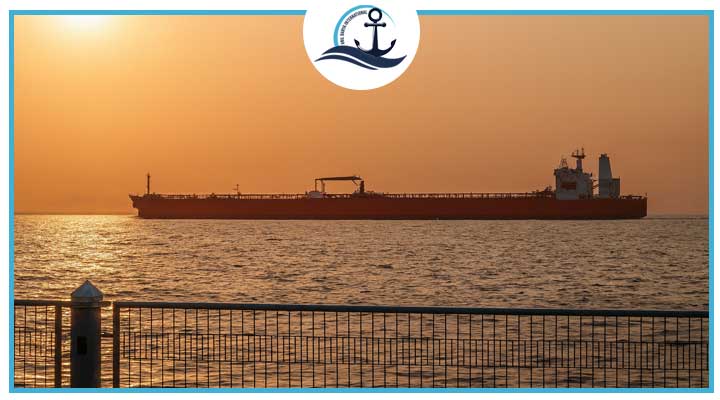
According to shipping analytics firms Vortexa, Kpler, and OilX, nearly 1 billion barrels of crude are currently sitting on tankers worldwide — the highest in years. Around 40% of this floating stockpile originates from sanctioned producers such as Russia and Venezuela, or from shipments with uncertain origins.
US Sanctions Create a New Shipping Bottleneck
Fresh sanctions from Washington targeting Rosneft and Lukoil — the first direct energy measures of Donald Trump’s second term — have sharply disrupted Russian export logistics. Analysts at JPMorgan estimate that roughly 1.4 million barrels per day of Russian crude, nearly one-third of the nation’s seaborne exports, are currently idling aboard tankers awaiting discharge ahead of the November 21 compliance deadline.
The new restrictions have forced Lukoil to offload foreign assets and caused operational disruptions stretching from Iraq to Finland and Bulgaria. While Russian exports remain steady on paper, traders say the number of tankers unable to unload cargoes is climbing fast.
Oil Tankers Rerouting and Drifting Across Asia
Many tankers departing Primorsk, Ust-Luga, and Novorossiysk have listed Port Said or the Suez Canal as nominal destinations before rerouting toward Asia, primarily India and China. However, with both countries cutting back December purchases from sanctioned entities, unsold barrels are beginning to accumulate at sea — often being redirected toward Chinese buyers at steep discounts.
New research from Signal Ocean shows floating storage levels among sanctioned ships reaching their highest point since mid-2022. The firm attributes this surge to a combination of port refusals, sanctions applied mid-voyage, and buyers tightening compliance procedures to minimize legal and financial exposure.
Impact on Global Sea Freight and Crude Markets
The growing number of stranded cargoes has also begun distorting sea freight dynamics, with available tonnage tightening in key trading routes and freight rates creeping higher.
Ultimately, as political pressure mounts and compliance deadlines approach, a significant portion of Russian crude is likely to remain languishing at sea — a costly reminder of how geopolitics now directly shapes global energy and shipping flows.