|
Getting your Trinity Audio player ready...
|
Baltimore Bridge Collapse Traced to One Loose Wire – NTSB Findings
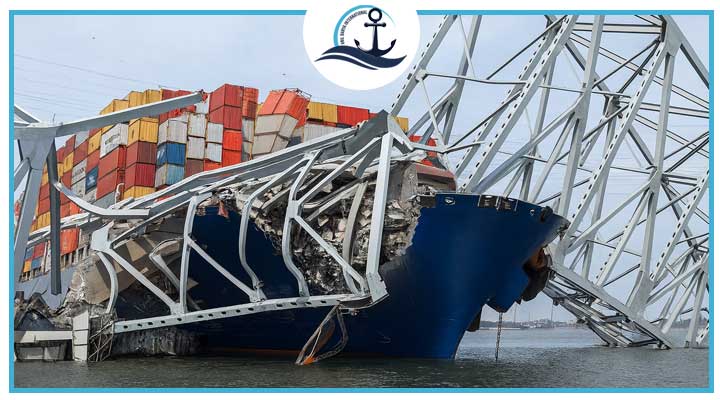
The U.S. National Transportation Safety Board (NTSB) has revealed that the catastrophic collapse of the Francis Scott Key Bridge in Baltimore was triggered by a single loose electrical wire aboard the containership Dali. The incident, which occurred on March 26, 2024, resulted in the deaths of six highway workers and exposed major vulnerabilities in U.S. bridge infrastructure.
A Loose Wire That Sparked a Deadly Chain Reaction
During a public meeting at NTSB headquarters, investigators explained that an improperly connected wire in the ship’s electrical system caused a breaker to trip unexpectedly.
This triggered two consecutive electrical blackouts, leaving the 300-meter vessel without propulsion or steering as it approached the bridge.
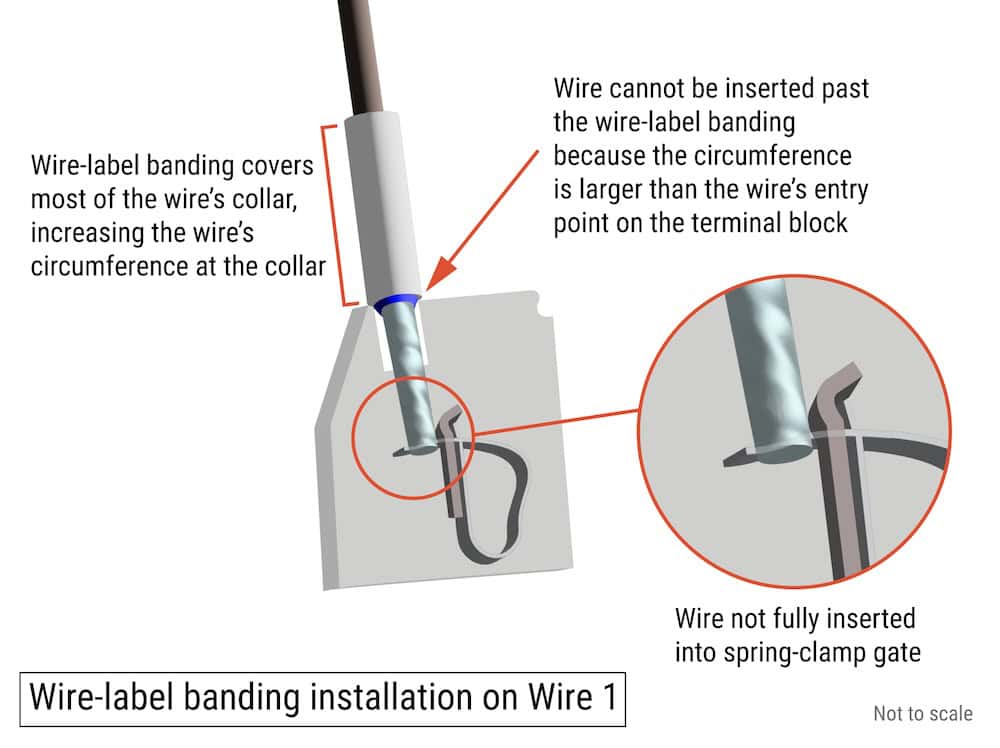
According to the NTSB, the wire’s label banding prevented it from fully seating inside a terminal block spring clamp, creating a poor connection that ultimately led to system failure.
Loss of Power Left Dali Drifting Toward the Bridge
Once the Dali lost power, the vessel began to swing starboard toward Pier 17.
Despite rapid intervention attempts by the pilots and bridge team, the blackout occurred too close to the bridge to regain control.
Moments later:
- A massive section of the Key Bridge collapsed into the Patapsco River
- Additional truss and deck spans fell onto the ship’s bow and forward container stacks
- Six members of an eight-person road maintenance crew were killed
The NTSB noted that quick actions by vessel pilots and Maryland authorities to halt traffic prevented a far higher casualty toll.
“Like Finding a Loose Rivet on the Eiffel Tower”
NTSB chair Jennifer Homendy praised investigators for locating the single faulty wire among the ship’s vast electrical network.
“The Dali is nearly 1,000 feet long with miles of wiring and thousands of electrical connections.
Finding this single wire was like hunting for a loose rivet on the Eiffel Tower.”
Bridge Vulnerability: A Known, Yet Unaddressed Risk
The investigation found that the Key Bridge lacked modern protective countermeasures to withstand impact from today’s much larger cargo vessels.
For perspective:
- In 1980, the 118-meter Blue Nagoya struck the Key Bridge with minimal damage
- The Dali is ten times larger than that vessel
Yet the bridge’s protective structure had not been upgraded since its 1977 opening.
Earlier this year, the NTSB also released a nationwide assessment showing many U.S. bridges crossing navigable commercial waterways are similarly unprepared for collisions involving modern oceangoing ships.
NTSB Issues Nationwide Warning
The agency sent letters to 30 bridge authorities urging immediate evaluation and risk-reduction planning. All recipients have since responded, and progress updates are publicly available on the NTSB website.
The Baltimore disaster has intensified calls for:
- Stronger bridge impact protections
- Updated federal engineering standards
- Better communication between maritime and infrastructure authorities
As investigations continue, the incident is widely viewed as a wake-up call about the growing risks large modern containerships pose to aging U.S. bridge structures.