|
Getting your Trinity Audio player ready...
|
How to Prevent Roll-Overs & Delays in Sea Freight From Dubai
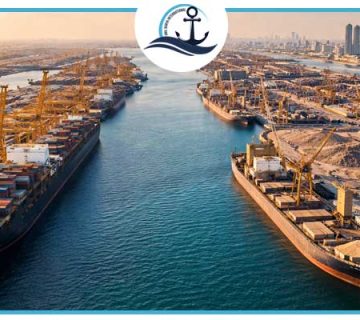
Dubai stands as one of the most influential maritime hubs in the global logistics network, serving as a critical gateway between Asia, Europe, Africa, and the Middle East. With Jebel Ali Port at its core, the city processes millions of containers annually. However, the same scale and velocity that make Dubai efficient also increase exposure to operational challenges—most notably roll-overs and vessel delays in sea freight operations. For shippers moving cargo to or from Dubai, preventing these disruptions has become a strategic priority rather than a reactive task.
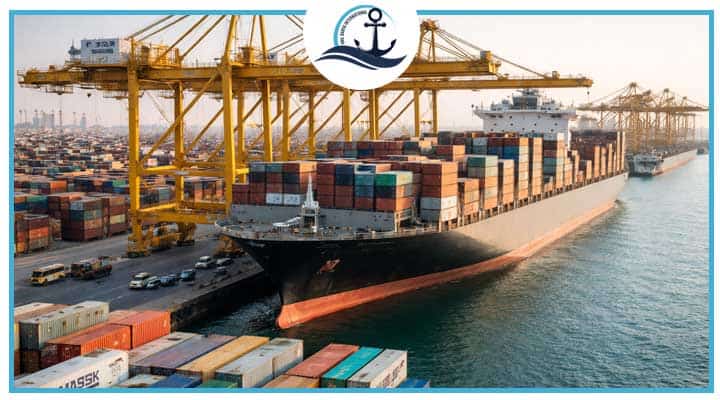
In practical terms, a roll-over happens when a container fails to load onto its planned vessel and is shifted to a subsequent sailing. While sometimes unavoidable, frequent roll-overs can disrupt delivery commitments, inflate logistics costs, and weaken supply-chain reliability. As roll-over Dubai shipping incidents rise, understanding their causes and implementing preventive strategies is essential for exporters, importers, and project cargo owners alike.
Why Roll-Overs Are Increasing in Dubai Sea Freight
The increase in roll-overs is closely linked to the growth of Dubai’s shipping volumes and evolving carrier strategies. Blank sailings, vessel reassignments, and capacity optimization by shipping lines have become more common, directly impacting container delays in the UAE. Even well-booked shipments can face last-minute schedule changes when vessels are overbooked or rerouted.
Several operational realities contribute to this trend:
- High vessel utilization rates at Jebel Ali during peak seasons
- Equipment imbalances across UAE depots
- Tight documentation and VGM cut-off times
- Prioritization of long-term carrier contracts over spot bookings
These challenges are further intensified by the diversity of cargo moving through Dubai. In addition to standard containerized goods, the port handles dangerous goods, oversized project cargo, bulk, and break bulk shipments. Each category introduces additional compliance and handling layers, increasing sensitivity to vessel schedule issues.
The Financial and Operational Impact of Roll-Overs
Roll-overs are often underestimated in terms of cost. Beyond delayed arrival, they can trigger a chain reaction of expenses such as demurrage, detention, port storage, and re-handling fees. For traders operating on tight margins, even a single roll-over can erode profitability.
From a planning perspective, delays disrupt inventory cycles and production schedules. This is especially critical for shipments integrated into multimodal freight solutions from Dubai, where sea freight delays can derail onward air or land transport arrangements.
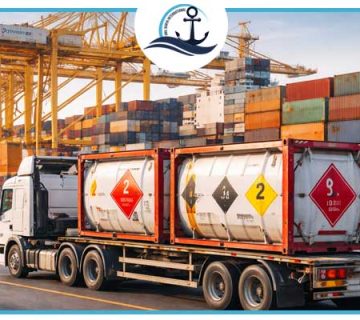
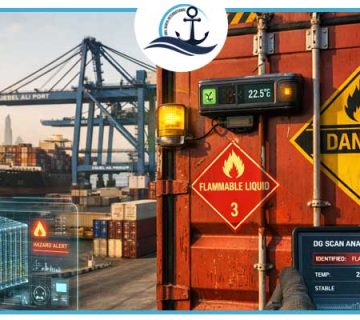
In regulated cargo segments, prolonged port stays may also lead to compliance complications. Dangerous goods shipments, for instance, may require document revalidation or additional inspections if delayed beyond approved timeframes—an issue frequently discussed in the context of IMDG-compliant DG shipping from Dubai.
Operational Triggers That Lead to Roll-Overs
Understanding what causes roll-overs at an operational level enables shippers to intervene early. In most cases, roll-overs do not result from a single failure but from a convergence of small issues.
Common triggers include:
- Late container gate-in at the port
- Incomplete or inaccurate shipping documentation
- Last-minute booking confirmations without firm vessel allocation
- Carrier schedule changes or blank sailings
Even minor discrepancies—such as mismatched container weights or missing DG declarations—can cause a container to miss its vessel while others sail as planned.
Proactive Planning as the Core Prevention Strategy
Preventing roll-overs begins long before cargo arrives at the terminal. Early and confirmed bookings form the foundation, but active follow-up is equally critical. Shippers that treat booking as a one-time action rather than an ongoing process are more vulnerable to delays.
Effective roll-over prevention strategies typically include:
- Securing space well ahead of cargo readiness
- Monitoring carrier schedule updates in real time
- Submitting documentation ahead of cut-off deadlines
- Maintaining alternative routing or carrier options
This approach is particularly important for sensitive shipments such as bulk commodities, project cargo, and time-critical exports aligned with sea–air freight solutions from Dubai.
The Importance of a Local Dubai Freight Forwarder
Local expertise plays a decisive role in roll-over prevention. Freight forwarders with operational teams in Dubai possess firsthand insight into carrier behavior, terminal congestion patterns, and seasonal risk periods. They are better positioned to anticipate problems and negotiate alternatives before delays materialize.
At Anil Darya International L.L.C-FZ, our Dubai-based sea freight specialists work closely with shipping lines to align vessel selection with cargo characteristics. By actively monitoring booking status, cut-off timelines, and port conditions, we reduce exposure to roll-overs across diverse cargo types—from standard FCL shipments to hazardous and oversized cargo.
Our sea freight planning is also integrated with broader logistics capabilities, including air freight and bulk and break bulk shipping through Jebel Ali, allowing us to design resilient transport strategies when schedules shift.
Managing Roll-Over Risk for Dangerous, Bulk, and Project Cargo
Certain cargo categories face inherently higher roll-over risk. Dangerous goods shipments are subject to strict acceptance criteria, and any documentation inconsistency can delay vessel loading. Similarly, break bulk and project cargo depend on synchronized terminal handling windows that leave little room for error.
To mitigate these risks, shippers should focus on:
- Early DG compliance verification and carrier pre-approval
- Close coordination with terminal operators for break bulk handling
- Buffer time allowances for inspections and approvals
These measures align with best practices outlined in Dubai dangerous goods shipping compliance strategies and help prevent last-minute setbacks.
Visibility, Technology, and Human Oversight
Digital visibility tools have improved schedule transparency, enabling shippers to track vessels and anticipate disruptions. Predictive analytics and electronic documentation platforms support faster decision-making. However, technology alone cannot replace local operational judgment.
In complex hubs like Dubai, human oversight remains critical. Experienced teams can interpret early warning signs—such as overbooked sailings or equipment shortages—and take corrective action before a roll-over occurs.
Strategic Value of Preventing Roll-Overs
Beyond avoiding delays, roll-over prevention strengthens overall supply-chain reliability. Predictable transit times improve inventory planning, reduce buffer stock, and enhance customer confidence. For companies using Dubai as a regional redistribution hub, this reliability translates directly into competitive advantage.
Shippers that invest in proactive sea freight planning also gain greater flexibility to adapt routes, shift volumes, or integrate alternative transport modes without operational disruption.
Reliable Sea Freight From Dubai With Anil Darya Shipping
As global shipping volatility continues, roll-overs will remain part of maritime logistics. The key is minimizing their frequency and impact through strategic planning and experienced execution.
Frequently Asked Questions (FAQ)
A roll-over occurs when a container is not loaded onto its scheduled vessel and is deferred to a later sailing.
High volumes, carrier blank sailings, tight cut-off times, and vessel rescheduling increase roll-over frequency.
Early booking, accurate documentation, carrier diversification, and experienced local freight forwarders significantly reduce risk.
Yes. These cargo types face stricter compliance and handling requirements, making them more sensitive to schedule disruptions.