|
Getting your Trinity Audio player ready...
|
Dubai–Africa Bulk Shipping Demand Is Surging: What Exporters Must Know
Dubai’s role in Africa-bound bulk shipping has entered a new phase. What exporters are experiencing today is not a temporary increase driven by isolated projects, but a sustained rise in demand that reflects deeper structural shifts in African trade. As African economies expand infrastructure, manufacturing, and energy capacity, Dubai has emerged as the preferred origin point for bulk cargo flows supporting this growth.
The surge in Dubai Africa bulk shipping demand is reshaping logistics strategies. Exporters can no longer rely on reactive booking or short-term freight decisions. Instead, long-term planning, route optimization, and risk management have become essential to remain competitive in Africa-focused trade.
Why Dubai Remains the Core Bulk Shipping Hub for Africa
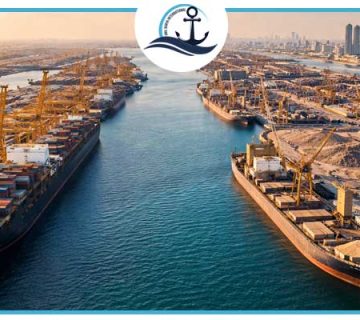
Dubai’s continued dominance is rooted in its ability to combine scale with flexibility. Jebel Ali Port allows exporters to consolidate cargo from Asia, Europe, and the Middle East before redistributing it efficiently to African destinations. This consolidation model reduces freight costs while increasing schedule reliability—two critical factors for bulk and break bulk cargo.
Another key advantage is routing diversity. Dubai offers consistent access to East Africa, West Africa, and Southern Africa through established bulk routes UAE exporters trust. Unlike ports that depend heavily on transshipment hubs, Dubai enables direct or near-direct sailings, significantly reducing delay risks.
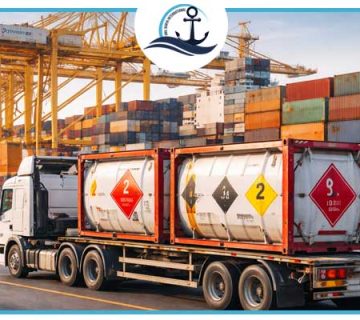
Just as important is regulatory clarity. Exporters handling industrial inputs, minerals, or chemically sensitive commodities benefit from Dubai’s mature compliance ecosystem. Even when cargo is not fully classified as hazardous, early technical review—often aligned with Dubai DG shipping expertise —prevents disruptions later in the supply chain.
Africa’s Structural Demand Growth: Beyond Short-Term Cycles
The current increase in Africa-bound bulk volumes reflects long-term demand fundamentals. Infrastructure investment remains a primary driver, but it is now reinforced by broader industrial and demographic trends. Manufacturing growth, urban expansion, and energy diversification are all contributing to sustained import demand across African markets.
Trade analysts reviewing the Africa trade forecast increasingly emphasize consistency rather than volatility. This matters for exporters, because predictable demand supports better vessel planning, contract stability, and pricing control. Dubai’s logistics ecosystem is well suited to serve this evolving trade pattern due to its ability to support diverse cargo profiles rather than single-commodity flows.
How Bulk Shipping From Dubai to Africa Is Operationally Structured
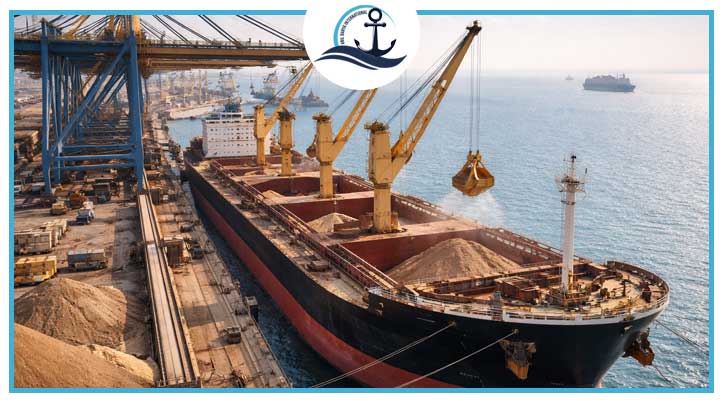
Bulk shipping from Dubai to Africa is rarely a one-size-fits-all operation. Port infrastructure varies significantly across African regions, and exporters must adapt shipment structures accordingly. In many cases, pure bulk shipments are feasible for major ports, while secondary ports require alternative handling methods.
In practice, exporters often rely on hybrid logistics strategies that combine bulk and break bulk within the same supply chain. This flexibility minimizes discharge risks and helps maintain schedule integrity. Freight forwarders with hands-on Africa experience play a critical role here, advising exporters on vessel selection, discharge methods, and port readiness.
Anil Darya Shipping supports exporters by evaluating these variables at the planning stage. By aligning cargo characteristics with port capabilities, exporters avoid costly re-handling, delays, and contractual disputes at destination.
Key Cost and Risk Factors Exporters Must Manage
As demand increases, cost predictability becomes more challenging. Africa-bound bulk freight from Dubai is sensitive to a combination of market and operational variables that exporters must actively manage:
- Vessel availability fluctuations during peak project cycles
- Port congestion and discharge inefficiencies at destination
- Demurrage exposure linked to documentation or laytime terms
- Fuel price volatility impacting spot market freight rates
Exporters who fail to address these risks early often encounter margin erosion later in the shipment lifecycle. Structured planning, realistic transit assumptions, and experienced operational oversight are increasingly essential in this environment.
Compliance, Classification, and Cargo Integrity
Bulk cargo is often assumed to be low-complexity, but this perception can be misleading. Certain commodities may fall under conditional regulatory frameworks depending on moisture levels, chemical composition, or packaging format. Misclassification can result in vessel rejection or delays at transshipment points.
Exporters shipping from Dubai increasingly consult IMDG compliance frameworks even when cargo is not formally classified as dangerous goods. This proactive approach ensures alignment with carrier requirements and destination port regulations, protecting shipment continuity.
The Continued Importance of Break Bulk in Africa Trade
Despite improvements in port infrastructure, break bulk remains a critical solution for Africa-bound cargo. Many ports still lack the equipment or draft depth required for efficient bulk discharge, making break bulk not only viable but preferable in certain scenarios.
Break bulk is especially effective for infrastructure-linked cargo, oversized industrial materials, and construction inputs. Exporters who integrate break bulk intelligently within their logistics strategy often achieve better reliability without sacrificing cost efficiency.
Strategic Flexibility Through Multimodal Options
While sea freight remains the backbone of Dubai–Africa trade, exporters increasingly supplement bulk shipments with targeted multimodal solutions. Time-sensitive components, spare parts, or control equipment may move separately using sea–air freight from Dubai, ensuring project timelines remain intact.
Dubai’s connectivity enables this flexibility without fragmenting the overall supply chain, giving exporters a resilience advantage in complex projects.
Why Freight Forwarder Expertise Is Now a Competitive Advantage
As Africa-bound bulk shipping becomes more structured and competitive, the role of experienced freight forwarders becomes more strategic than transactional. Exporters benefit from partners who offer:
- Route-specific knowledge of African ports and constraints
- Integrated bulk and break bulk planning from Dubai
- Early-stage risk identification and mitigation
- Compliance oversight for specialized or conditional cargo
Anil Darya International L.L.C-FZ operates across these dimensions, supporting exporters with end-to-end logistics solutions tailored to Africa-focused trade lanes. This approach allows exporters to scale operations while maintaining cost control and operational certainty.
Frequently Asked Questions (FAQ)
Yes. Current demand is driven by long-term infrastructure, industrial, and demographic trends rather than short-term market volatility.
East Africa and West Africa lead in volume, followed by Southern Africa, particularly for infrastructure and energy-related cargo.
Some bulk commodities fall under conditional classifications. Early technical assessment is strongly recommended.
Advance planning, correct shipment structuring, and working with experienced freight forwarders significantly reduce operational and financial risk.
No. Break bulk remains essential due to infrastructure limitations at many African ports and is often integrated with bulk shipments.