|
Getting your Trinity Audio player ready...
|
Why DG Cargo Gets Rejected by Shipping Lines in Dubai
In today’s highly regulated maritime environment, shipping hazardous cargo is no longer just a matter of booking space and submitting documents. Across global hubs—especially Dubai—shipping lines have tightened acceptance criteria, leading to a noticeable rise in rejections. Understanding DG cargo rejection reasons has therefore become essential for exporters, manufacturers, and logistics managers moving dangerous goods through the UAE.
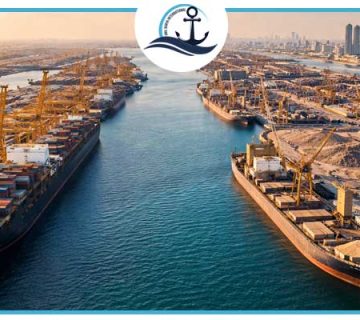
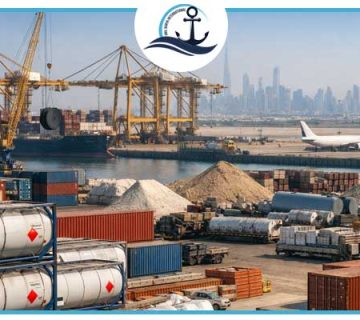
Dubai’s strategic position between Asia, Europe, and Africa makes it a critical transit and origin hub for hazardous cargo. At the same time, its ports operate under strict international and local safety oversight. Shipping lines calling at Jebel Ali and other UAE ports face intense regulatory pressure, which directly impacts how DG shipments are reviewed, approved, or rejected.
Why DG Cargo Faces Higher Scrutiny in Dubai
Shipping lines do not reject hazardous cargo arbitrarily. Each decision is rooted in risk management, regulatory compliance, and operational safety. Dubai enforces IMDG standards rigorously, and carriers operating here are expected to demonstrate full alignment with international conventions.
One of the most common triggers for rejection is IMO non-compliance. Even minor deviations from IMDG requirements can expose carriers to penalties, port restrictions, or insurance complications. As a result, shipping lines prefer rejection over corrective handling once a risk is identified.
This strict environment means that DG shipments passing smoothly through less regulated ports may still face rejection in Dubai if compliance is not airtight.
Documentation Errors: The Leading Cause of DG Rejection
Among all DG cargo rejection reasons, documentation errors remain the most frequent—and the most avoidable. Dangerous Goods Declarations, MSDS files, and supporting certificates must align perfectly. Any inconsistency, no matter how small, can lead to rejection.
Common issues include:
- Incorrect or outdated UN numbers
- Missing technical names
- Mismatch between MSDS and DGD
- Incorrect packing instructions or segregation references
These DG documentation errors often surface during carrier pre-acceptance checks or terminal gate inspections, leaving shippers with little time to react.
Experienced forwarders familiar with Dubai’s compliance landscape—such as Anil Darya Shipping—typically conduct pre-submission validation to ensure documentation meets both IMDG standards and individual carrier requirements.
When “Correct on Paper” Is Still Not Enough
A common misconception among shippers is that perfect paperwork guarantees acceptance. In reality, IMO non-compliance can exist even when documents appear accurate.
Packaging that fails performance standards, improper inner packaging, or containers without valid CSC certification can all trigger rejection. Shipping lines increasingly assess DG shipments holistically, combining documentation review with physical and operational risk analysis.
This approach is particularly important for hazardous cargo moving within hazardous cargo workflows in Dubai, where port authorities and carriers work closely to minimize incident risk.
Packaging and Labeling: Zero Margin for Error
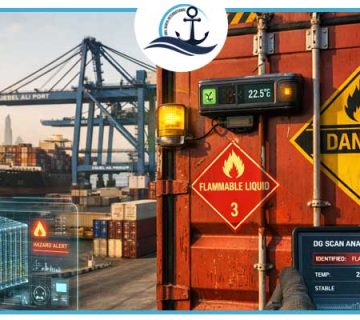
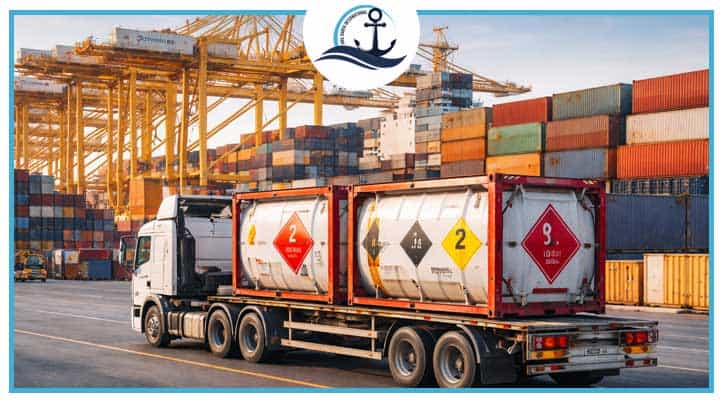
Physical compliance is another area where shipping lines apply zero tolerance. Incorrect labels, faded placards, missing subsidiary risk marks, or non-compliant packaging immediately raise red flags.
In Dubai, terminals and carriers routinely inspect DG cargo before loading. If packaging does not match the declared packing instruction or labeling requirements, rejection is immediate—often without the option for on-site correction.
This is why many exporters integrate pre-loading checks into their logistics planning, especially when hazardous cargo is part of multimodal DG solutions involving sea, air, and land transport.
Vessel Compatibility and Stowage Constraints
Not every vessel is approved to carry every type of dangerous goods. Certain DG classes have strict stowage limitations based on proximity to accommodation areas, engine rooms, or other hazardous materials onboard.
Shipping lines may initially accept a booking but later reject it once vessel allocation is finalized. These last-minute rejections are common causes of roll-overs and vessel rejections, particularly during peak seasons in Dubai.
Advanced planning, including vessel profiling and early carrier consultation, significantly reduces this risk.
Misdeclared and Undeclared Dangerous Goods
Misdeclaration—intentional or accidental—is one of the most serious DG violations. Shipping lines treat undeclared hazardous cargo as a critical safety threat.
With the adoption of advanced screening tools and data-driven risk profiling, carriers are increasingly able to detect inconsistencies between declared cargo and actual shipment characteristics. Once identified, consequences extend beyond a single rejection, often affecting future bookings from the same shipper.
Avoiding this scenario requires robust cargo verification processes and experienced DG oversight at origin.
Operational Gaps Between Sea, Air, and Project Cargo
Modern supply chains often involve combinations of transport modes. DG shipments may move by air before transferring to sea, or as part of complex project cargo movements. Each mode introduces its own regulatory framework.
Cargo prepared under air regulations may not automatically comply with IMDG requirements, creating friction during sea freight acceptance. These gaps are a frequent cause of rejection for shippers unfamiliar with sea and air freight workflows.
This challenge becomes even more pronounced when DG cargo is shipped alongside bulk or break bulk shipments, where vessel type, handling methods, and stowage planning differ significantly from containerized cargo.
How to Reduce DG Rejection Risk in Dubai
Preventing rejection starts long before cargo reaches the port. Successful shippers treat DG compliance as a strategic process rather than a last-minute checklist.
Effective prevention strategies include:
- Early DG classification and verification
- Alignment of MSDS data with current IMDG amendments
- Carrier-specific acceptance checks
- Physical inspection of packaging and labeling
Logistics providers like Anil Darya International L.L.C-FZ incorporate these steps into their Dubai-focused DG handling services, supporting exporters through advisory-driven planning rather than reactive troubleshooting.
Experience Matters in DG Acceptance
Shipping lines do not evaluate shipments in isolation—they evaluate shippers. A consistent history of compliant DG shipments improves acceptance rates, while repeated errors increase scrutiny.
Long-term cooperation with experienced forwarders helps build credibility with carriers, leading to smoother approvals and more predictable transit times. Over time, this experience becomes a competitive advantage for exporters operating in tightly regulated hubs like Dubai.
Beyond Compliance: Strategic DG Logistics
Avoiding rejection is only one part of the equation. Strategic DG logistics focuses on resilience, flexibility, and long-term reliability.
When hazardous cargo flows are designed with compliance, routing options, and contingency planning in mind, businesses gain the ability to shift between sea, air, or project cargo solutions without compromising safety. This approach is increasingly critical as shipping lines tighten acceptance criteria and regulatory oversight continues to evolve.
Frequently Asked Questions (FAQ)
Because acceptance depends on more than paperwork. Packaging integrity, vessel compatibility, stowage rules, and risk history all play a role.
Yes. Dubai applies rigorous IMDG enforcement due to its role as a major global transshipment and logistics hub.
Absolutely. Repeated non-compliance can result in increased scrutiny, mandatory inspections, or long-term booking limitations.
Through early verification, use of updated IMDG references, and involvement of DG-experienced logistics partners.
Yes, but only with careful planning, segregation analysis, and explicit carrier approval.
Final Insight
Understanding DG cargo rejection reasons is no longer just about compliance—it’s about protecting supply chain continuity. In Dubai’s highly regulated shipping environment, expertise, preparation, and the right logistics partnerships determine whether hazardous cargo moves smoothly or faces costly rejection.
For exporters seeking reliable DG movements from or to Dubai, working with experienced specialists such as Anil Darya Shipping helps transform compliance from a risk into a strategic advantage.