|
Getting your Trinity Audio player ready...
|
UAE’s Tariffs and Trade Policies: Impacts on International Sea Freight
The United Arab Emirates (UAE) has built its reputation as one of the world’s most efficient logistics and maritime trade centers. With world-class ports, advanced customs systems, and flexible tariff structures, the UAE continues to shape the landscape of international sea freight.
As global trade evolves, the country’s tariff and trade policies are having a major impact on how goods move through Dubai’s ports — from containerized shipments to break bulk cargo and even dangerous goods.
The UAE’s Role in Global Sea Freight Trade
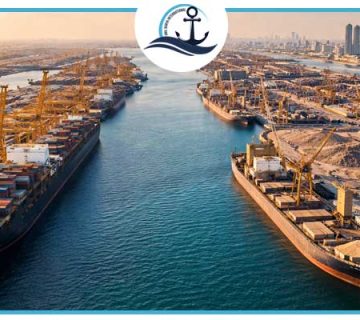
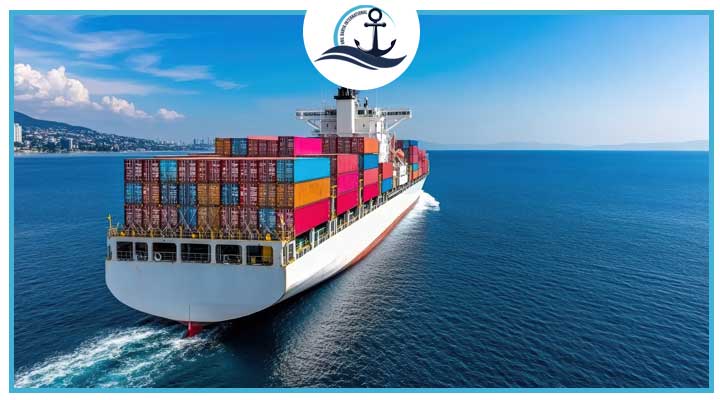
Dubai’s Jebel Ali Port remains the beating heart of regional trade — connecting more than 150 shipping lines and handling millions of containers annually.
Its strategic location between Asia, Africa, and Europe makes it a preferred hub for re-exports and transshipments.
Key reasons why Dubai dominates regional sea freight:
- Minimal customs duties ,generally 5% on CIF value.
- Extensive Free Zones such as JAFZA and KIZAD that exempt re-export goods from tariffs.
- Integrated logistics ecosystem connecting sea, air, and land operations.
- Modern documentation systems like Mirsal 2 simplifying customs clearance.
For companies managing global supply chains, including complex door-to-door freight solutions from Dubai, these benefits translate into smoother, faster, and more cost-efficient shipping.
Recent Policy Adjustments and Their Impact on Shipping
In recent years, the UAE government has modernized its Customs Law and Unified GCC Tariff System, introducing more digital and harmonized frameworks. The UAE Trade Facilitation Policy 2023–2026 also aligns with the World Trade Organization (WTO) standards — ensuring that shippers experience less bureaucracy and more predictability.
For example, digital platforms like Mirsal 2 in Dubai Customs allow online submission of documents, duty calculations, and real-time cargo tracking. This digitalization supports seamless coordination for freight forwarders such as Anil Darya Shipping LLC, who handle door-to-door freight solutions from Dubai, combining sea, air, and land transport.
These regulatory shifts, while simplifying logistics, have also introduced new compliance expectations, particularly in line with international sanctions, dual-use goods control, and IMO 2025 DG compliance. For many international clients, working with an experienced UAE-based forwarder has become the safest way to ensure regulatory accuracy and timely delivery.
Tariff Structures and Free Zone Incentives
The UAE operates a two-tiered customs system — one for mainland trade and another for its Free Zones. Companies registered in zones like JAFZA or Dubai Silicon Oasis enjoy duty exemption on imports intended for re-export or internal manufacturing. Goods only become taxable when they enter the UAE mainland market.
This distinction gives international sea freight customers a strategic advantage: they can store, repack, or consolidate goods in Dubai under bonded status before shipping to final destinations.
For example, Anil Darya Shipping often facilitates cross-stuffing operations in Jebel Ali, allowing clients to transfer cargo from one vessel to another without incurring double customs duty — a vital advantage for traders managing multi-origin shipments.
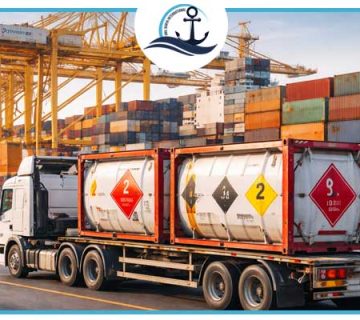
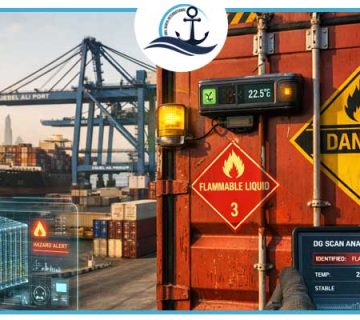
The UAE’s tariff exemptions also extend to dangerous goods shipping under strict compliance rules following IMDG Code 42-24 and Dubai’s DG Code of Practice. This combination of regulatory control and economic flexibility keeps the country attractive for specialized cargo handling.
Trade Policy Alignment with Global Trends
The UAE’s trade policies continue to evolve alongside global economic and environmental shifts.
Recent Comprehensive Economic Partnership Agreements (CEPA) with India, Indonesia, and Türkiye have reduced or eliminated tariffs on thousands of goods, reinforcing Dubai’s position as a trade gateway to Africa and the Middle East.
How this benefits sea freight operators:
- Reduced tariffs on key commodities improve trade competitiveness.
- Faster customs clearance for CEPA partner countries.
- Enhanced re-export opportunities from Dubai Free Zones.
- Support for integrated multimodal freight in the UAE, combining sea, air, and land routes.
At the same time, environmental policies like the EU-ETS carbon trading system and IMO 2025 mandates are pushing the industry toward greener practices.
Jebel Ali’s green bunkering initiatives and slow-steaming strategies reflect the UAE’s commitment to sustainability.
Cost Implications for International Shippers
Although the UAE maintains relatively low tariffs, global shipping costs are still influenced by port handling fees, security charges, and environmental surcharges.
Importers should note that Terminal Handling Charges (THC), Documentation Fees, and Fuel Adjustments (BAF) remain dynamic. Meanwhile, temporary tariff suspensions on strategic goods can significantly reduce landed costs.
Freight forwarders like Anil Darya Shipping LLC routinely advise clients on these fluctuations, helping optimize shipping routes, container utilization, and compliance to achieve maximum cost efficiency.
For cargo owners using break bulk or bulk freight, understanding tariff impacts can mean the difference between profit and loss in competitive markets.
Customs Compliance and Documentation Efficiency
The UAE’s customs process emphasizes accuracy and digital control. Incorrect HS Code classification or missing import declarations can lead to heavy fines or cargo delays.
This is why businesses rely on professional forwarders who are well-versed in documentation protocols like Bill of Lading, Seaway Bill, and IOR services.
Anil Darya Shipping’s team ensures full document alignment with UAE Customs, JAFZA Authority, and international standards. Their compliance support covers even complex DG and air freight for hazardous goods, ensuring smooth cargo flow through Dubai ports and beyond.
Future Outlook: Tariffs, Green Policies, and Digital Transformation
As the UAE advances toward a digitally integrated logistics ecosystem, policies are being redefined around automation, sustainability, and trade diversification. Future tariff frameworks will likely incorporate carbon-footprint scoring and blockchain-verified trade documentation.
This transition will benefit businesses that adopt technology early — integrating IoT freight tracking in Dubai logistics and multimodal shipping solutions. Articles such as How Technology & IoT Are Transforming Freight Tracking in Dubai Logistics and Sustainability in UAE Sea Freight show how these digital trends are merging with tariff strategies to shape the next era of trade efficiency.
For international exporters seeking stable, transparent trade environments, Dubai’s policy direction offers predictability and opportunity — especially when guided by experienced partners like Anil Darya Shipping LLC.
Conclusion
In an era of complex global supply chains, the UAE’s balanced tariff system and adaptive trade policies make it one of the most logistics-friendly nations worldwide. Whether you are shipping containerized cargo, bulk commodities, or hazardous goods, Dubai provides unmatched connectivity, modern compliance infrastructure, and competitive cost structures.
By working with an experienced forwarder like Anil Darya International L.L.C-FZ, traders can navigate tariff rules confidently, ensuring cost-effective, timely, and compliant sea freight movements from Dubai to any global destination.
Frequently Asked Questions (FAQ)
Most goods entering the UAE mainland are subject to a 5% customs duty, while Free Zone imports intended for re-export are exempt. Some strategic products (like tobacco or alcohol) attract higher rates.
Operating within a Free Zone such as JAFZA allows companies to store or repack cargo duty-free until re-exported, dramatically lowering costs and improving flexibility for international sea freight.
No special tariffs apply, but strict handling regulations under IMDG Code and Dubai DG Safety Rules must be followed. Certified freight forwarders like Anil Darya Shipping ensure full compliance.
Through CEPA deals with countries like India and Türkiye, many product categories now enjoy zero or reduced tariffs, boosting trade through Dubai’s ports and enhancing re-export opportunities.
Yes. With proper documentation and bonded storage, transshipment cargo can move via Dubai without incurring import duties — one reason global shippers increasingly select Jebel Ali as a consolidation hub.