|
Getting your Trinity Audio player ready...
|
Using Blockchain & Digital Platforms for Freight Documentation in Dubai
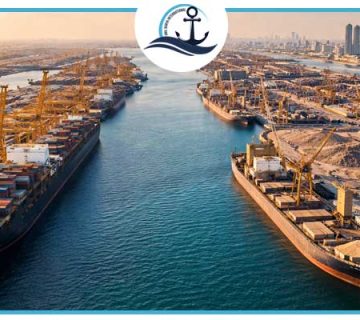
Dubai’s logistics and maritime ecosystem has always been ahead of global standards, but the last few years have marked a revolutionary shift: the transition from paper-heavy processes to blockchain-enabled and fully digital freight documentation. This evolution is aligned with the UAE’s “smart trade” strategy, designed to reduce human errors, accelerate customs clearance, and support seamless cargo movements through strategic hubs like Jebel Ali, Dubai South, and major free zones.
As international trade expands—particularly in sensitive categories such as dangerous goods, large-volume bulk shipments, or high-value air freight—the ability to move documents securely and instantly has become a competitive advantage. For operators like Anil Darya Shipping, which handle a broad spectrum of cargo types, digital platforms powered by blockchain ensure real-time visibility, compliance, and operational precision.
The New Digital Era of Freight in Dubai
The traditional supply chain model is burdened by repetitive data entry, manual signatures, courier delays, and document discrepancies. A single missed stamp or incorrect HS code could delay an entire shipment. Dubai recognized these challenges and launched an integrated approach: blockchain networks, smart contracts, e-signature systems, and digital trade platforms that permanently eliminate paper bottlenecks.
Today, through Dubai freight blockchain, every shipping document—from an electronic Bill of Lading (eBL) to DG declarations and export manifests—can be authenticated instantly. This is particularly important for shippers dealing with strict regulations, such as those who transport hazardous materials, pharmaceuticals, perishables, or oversized break bulk cargo.
The decentralized ledger structure means that once a document is entered, it cannot be altered. Any stakeholder—shipper, consignee, carrier, customs, port authority—can view the same verified data. This single-source transparency is the core of trust-based logistics.
Why Blockchain Is Transforming Freight Documentation in the UAE
The UAE’s freight sector deals with tens of thousands of daily shipments. Paper-based workflows used to slow down clearances, particularly during peak shipping seasons or complex multimodal routings. Blockchain solves this by providing a unified, tamper-proof record of every transaction.
Here is a more narrative-style breakdown of its impact:
Faster Document Turnaround
Enhanced Regulatory Compliance
1- Faster Document Turnaround
Blockchain removes the need for physical transport of documents. This leads to significantly shorter turnaround times for Bills of Lading, cargo manifests, DG approvals, and inspection certificates. A document that previously took 24 hours to validate may now be confirmed within minutes.
2- Enhanced Regulatory Compliance
For shipments that must comply with IMDG, IATA DG, or specific UAE customs codes, blockchain ensures document accuracy throughout the chain. Errors are minimized because each update is time-stamped and securely recorded.
These benefits extend to high-risk operations such as dangerous goods handling—a core competency of Anil Darya Shipping—where documentation precision directly impacts cargo acceptance.
How Digital Platforms Support Sea, Air, and Bulk Freight in Dubai
Digital documentation in the UAE is not limited to e-BLs. Dubai has developed a multi-layered ecosystem integrating online portals, automated freight tools, and blockchain technology across carriers and government entities.
Systems such as Dubai Trade, Mirsal 2, and NAFIS allow companies to manage commercial invoices, packing lists, DO releases, manifests, and customs declarations in a unified digital environment. When blockchain is applied over this infrastructure, the reliability and security multiply.
Item Example – Digital DG Compliance (Non-Bullet Version)
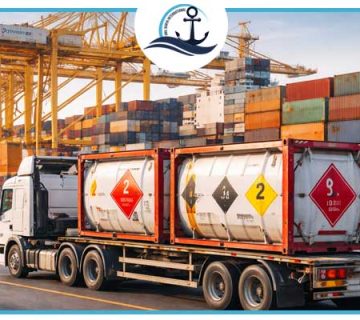
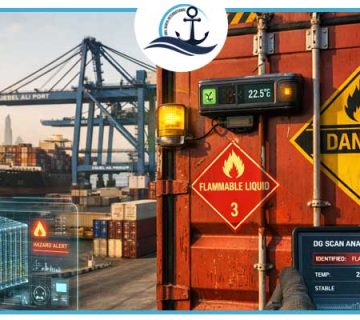
Dangerous goods require extensive paperwork: MSDS, DG declarations, packaging certificates, UN classifications, and approval requests. When these documents are digitized and stored on blockchain, miscommunication is eliminated. A DG declaration received by port authorities remains identical to the version submitted by the shipper—no lost pages, no altered data.
Item Example – Bulk & Break-Bulk Operational Visibility
Bulk shipments usually involve fluctuating weights, draft surveys, and multiple touchpoints between ports, agents, and surveyors. Blockchain ensures each update—from weight adjustments to loading confirmations—is permanently recorded. This improves scheduling accuracy, especially when coordinating bulk cargo scheduling UAE or complex break-bulk handling.
Integrating Internal Links Subtly in the Content
As you requested, internal linking appears naturally within the narrative using red-colored anchors, without looking forced:
- using compliant methods similar to dangerous goods shipping Dubai
- improving loading-planning accuracy like bulk cargo scheduling UAE
- exploring efficient logistical options such as multimodal freight solutions
- optimizing export routes similar to Dubai sea freight rates
These references enhance SEO strength while maintaining an organic reading flow.
Digital Documentation Across Major Freight Modes
Dubai’s multimodal logistics framework—sea, air, land, and cross-GCC transport—benefits heavily from blockchain-supported digital platforms.

Sea Freight
Carriers like Maersk, MSC, CMA CGM, Hapag-Lloyd, and COSCO already support eBL systems. Blockchain ensures finality, meaning once a carrier releases an eBL, no third party can tamper with it.
Air Freight
Airlines operating through DWC and DXB follow IATA’s e-freight initiative. Airway bills, DG approvals, and handling instructions are digitized, reducing delays in high-volume hubs.
Bulk & Break-Bulk Freight
Oversized cargo, machinery, steel coils, minerals, and agricultural commodities require constantly updated documentation. Blockchain creates a traceable chain of custody that supports operational transparency.
Across all these modes, Anil Darya Shipping leverages digital tools to streamline processes, ensuring that every shipment—regular or DG—is processed with precision and speed.
Smart Trade in Dubai: The Future is Immediate, Automated, and Secure
“Smart trade” is more than a slogan; it is a strategic direction. The UAE government actively promotes the use of blockchain to modernize port operations, reduce processing times, improve traceability, and support efficient intermodal transfers.
Three major trends define the next phase:
- Trend 1: E-BL StandardizationCarriers and freight forwarders are rapidly shifting toward universal e-BL adoption. The more companies adopt blockchain-based e-BLs, the faster global cargo cycles become
- Trend 2: Zero Paper PortsDubai aims to eliminate paper usage entirely across customs, port operations, and trade documentation. This integration aligns with the national vision for digital governance.
- Trend 3: Smart Contracts in Freight AgreementsThese contracts automatically execute payment, release, or approval conditions once agreed terms are met—ideal for cross-stuffing, SOC operations, or DG cargo where timing is crucial.
Why Businesses Shipping Through Dubai Should Digitize Immediately
Companies that embrace Dubai’s blockchain freight ecosystem gain several practical advantages:
- Instant verification of shipping documents
- Reduced clearance times across sea and air terminals
- Higher transparency for DG documentation
- Fewer human errors and disputes
- Better synchronization with port authorities
- Faster coordination between multiple stakeholders
- Improved scheduling for complex cargo types like bulk shipments
In an environment where global trade is speeding up and regulations are tightening, using blockchain is no longer optional—it is a strategic imperative.
If you want your shipments to move smoothly through Dubai’s ports without delays, uncertainties, or paperwork confusion, partner with Anil Darya International L.L.C-FZ.
Whether you are shipping dangerous goods, bulk cargo, break-bulk, air freight, or multimodal shipments, we ensure a fully digital, secure, blockchain-ready process from start to finish.
Frequently Asked Questions (FAQ)
It is a decentralized technology used to secure, store, and verify freight documentation in Dubai’s logistics ecosystem. It ensures transparency and prevents alteration of shipping documents.
Yes. Dubai Customs, Dubai Trade, ports, and major carriers all support digital shipping documents in the UAE, including eBLs for many trades.
Absolutely. It creates accurate, traceable, tamper-proof DG documentation, which reduces the risk of rejections or compliance violations at ports.
Yes. Documentation for bulk shipments—such as draft surveys, weight updates, loading notes—can be stored securely and updated in real time.
Because the company combines DG expertise, sea & air freight capabilities, bulk cargo experience, and blockchain-ready documentation processes for maximum operational efficiency.