|
Getting your Trinity Audio player ready...
|
Reducing Carbon Footprint in Air Freight from Dubai: Tips & Innovations
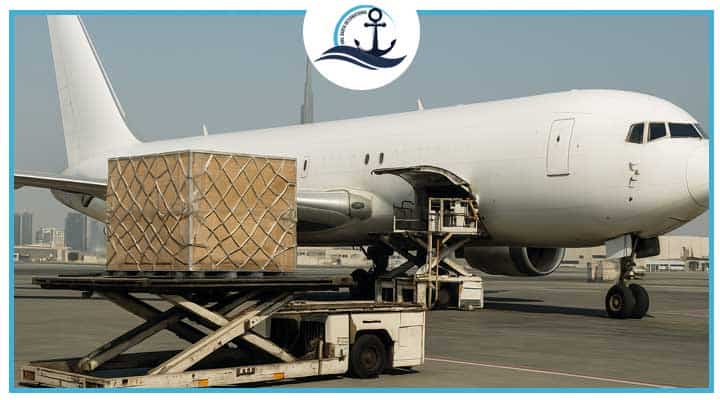
As the global economy becomes more interconnected, air freight continues to play an essential role in keeping supply chains fast, flexible, and responsive. Dubai, with its unmatched aviation infrastructure at DXB and DWC, has positioned itself as one of the world’s busiest air cargo hubs. Every day, thousands of tonnes of pharmaceuticals, electronics, perishables, and even specialized dangerous goods move through the UAE. However, with the rising urgency of climate change and sustainability reporting, more companies are now turning their attention toward reducing Dubai air freight emissions and adopting cleaner, smarter, and more energy-efficient logistics strategies.
This transition does not depend solely on airlines using sustainable technology; a significant part of the responsibility lies with shippers and freight forwarders. Decisions made at the planning, documentation, packaging, and routing stages can determine whether a shipment contributes to unnecessary emissions—or whether it supports a more sustainable global trade ecosystem.
Companies that collaborate with experienced logistics partners like Anil Darya Shipping gain access to planning tools, digital systems, packaging guidance, and multimodal alternatives that actively reduce their carbon footprint without compromising reliability or cargo integrity.
Why Sustainability Is Becoming Essential for Air Cargo in Dubai
Dubai's commitment to environmental responsibility grows every year. The UAE has pledged net-zero targets, invested in green aviation technologies, and supported SAF (Sustainable Aviation Fuel) development across its major airports. Airlines such as Emirates and Etihad are adopting more fuel-efficient aircraft and modernizing fleets to operate with lower carbon intensity.
But sustainability in air cargo is not limited to aviation hardware. It begins long before the shipment reaches the airport. A misdeclared weight, an unnecessary repacking, or a routing mistake leads to operational inefficiencies that ultimately burn more fuel.
For this reason, Dubai encourages shippers to adopt digital processes, reduce shipment waste, and embrace greener logistics culture. And because the UAE is a competitive global trade hub, businesses who demonstrate commitment to green logistics often gain a reputational advantage among international customers and compliance agencies.
Smart Planning: The First and Most Effective Step to Lower Emissions
A significant portion of emissions can be controlled simply through better planning. Many companies overuse air freight — sending non-urgent cargo by air even when alternatives exist. Today, businesses are becoming more strategic about when and how they use air transport.
For example, some companies move essential components via air but route non-urgent items by ocean freight, or choose sea–air combinations through Dubai’s state-of-the-art logistics corridors. Using multimodal options such as sea + air Dubai routing or multimodal freight solutions in the UAE can reduce emissions by more than 40% in some supply chains.
Additionally, smart consolidation ensures fewer flights are needed. Forwarders like Anil Darya Shipping analyze cargo type, timing, and destination to determine whether consolidation, partial shipments, or alternative routes can reduce emissions without compromising delivery deadlines.
Packaging Innovation: Lighter, Smarter, and More Responsible
Packaging is often underestimated, yet it is one of the most impactful variables in air freight sustainability. Every extra gram of packaging increases fuel burn. Today’s shippers increasingly use lightweight, recyclable materials that reduce shipment weight while maintaining cargo safety.
This is especially important in Dubai, where high-value and sensitive cargo categories—pharmaceuticals, electronics, perishables, and dangerous goods—require strict packaging standards.
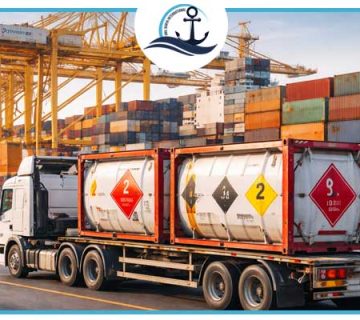
Modern UN-approved lightweight packaging options for DG shipments allow companies to reduce total shipment weight while staying compliant with IATA regulations. Furthermore, optimizing package dimensions increases density in Unit Load Devices (ULDs), allowing more cargo to fit in fewer flights.
When shippers adopt these techniques consistently, the environmental impact becomes measurable across the entire supply chain.
Sustainable Aviation Fuel (SAF): A New Era of Cleaner Air Freight
Sustainable Aviation Fuel is the most transformative development in modern aviation. Although SAF is still in limited supply, its adoption is accelerating across Dubai’s airports. Shippers can now request SAF-linked bookings, which reduce the carbon footprint of their shipment significantly.
Some of the key benefits of SAF include:
- Up to 80% emission reduction over the fuel’s lifecycle
- Improved sustainability reporting through SAF certificates
- Preferential routing options with carriers that actively support SAF
Forwarders like Anil Darya Shipping help clients understand SAF availability, airline participation, and the exact environmental benefits linked to SAF-powered flights.
Digitalization: Reducing Errors, Delays, and Emissions Together
Dubai is at the forefront of digital cargo operations. From electronic Air Waybills (e-AWB) to online DG declarations and blockchain-based documentation, digital accuracy prevents costly errors.
Digitized systems reduce warehouse dwell time, prevent miscommunication, and eliminate unnecessary re-handling, all of which contribute indirectly to higher emissions.
Dubai’s logistics transformation includes:
- Digital cargo community platforms
- Blockchain-based smart trade freight documentation
- AI-driven routing optimization
- Automated ULD tracking
Accurate data moves cargo faster and cleaner, reducing the environmental burden across the supply chain.
Multimodal Alternatives: When Air Isn’t Always the Answer
Not every shipment needs the speed and cost structure of air freight. Some commodity groups — heavy machinery, non-urgent parts, bulk materials, break-bulk loads — often benefit from sea freight or hybrid sea–air routing.
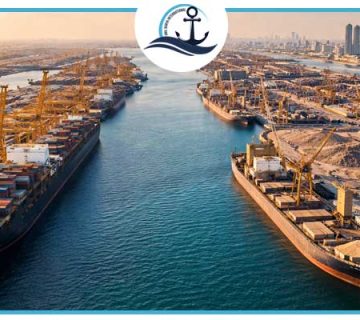
Dubai’s connectivity makes switching transport modes convenient and efficient. Cargo can enter Jebel Ali Port, be transferred to DWC Airport, and continue by air to Europe, Asia, or Africa with reduced emissions compared to full-air routing.
Specialized sectors such as Dubai bulk cargo scheduling also allow companies to plan their heavy cargo shipments around peak seasons, reducing congestion-related emissions. With expert guidance from Anil Darya Shipping, businesses can map out transportation strategies that balance cost, transit time, and sustainability.
How Dubai Is Building a Greener Future for Air Cargo
Dubai continues to invest heavily in making its aviation ecosystem one of the most environmentally efficient in the world. Major initiatives include:
- Modern fuel-efficient fleets like the A350 and B787
- Electric ground equipment (GSE) replacing diesel units
- Automated warehouse systems that optimize temperature control
- Energy-efficient cold-chain solutions for pharmaceuticals
- Real-time flight path optimization using AI technologies
These infrastructure upgrades directly benefit shippers, helping them reduce emissions simply by operating through a greener aviation hub.
Why Anil Darya Shipping Is a Strategic Partner for Sustainable Air Freight
Reducing emissions is not a single decision—it’s a continuous approach that blends better planning, better documentation, smarter packaging, optimized flights, and alternative routing.
Anil Darya International L.L.C-FZ integrates these principles into daily operations, offering:
- Customized route planning that minimizes fuel burn
- Smart consolidation solutions for small shipments
- Lightweight DG packaging choices
- Access to SAF-friendly carriers
- Digital documentation to prevent costly delays
- Advanced multimodal alternatives when full air freight isn’t required
With expertise in air freight, sea freight, DG handling, bulk logistics, and break-bulk operations, Anil Darya Shipping helps clients achieve measurable environmental improvements while maintaining Dubai’s hallmark efficiency and speed.
Frequently Asked Questions (FAQ)
By using lightweight packaging, selecting SAF-powered flights, consolidating cargo, digitizing documentation, and using multimodal alternatives.
Yes. Most major carriers in Dubai now offer limited SAF programs, and shippers can request certificates for sustainability reporting.
Absolutely. With proper IATA packaging and digital DG declarations, DG cargo can move efficiently while minimizing delays and emissions.
When the cargo is non-urgent, heavy, or more suitable for sea freight or hybrid sea–air solutions.
By offering optimized routing, packaging solutions, SAF bookings, digital accuracy, and multimodal strategies tailored to each shipment.