|
Getting your Trinity Audio player ready...
|
How Seasonal Demand (Tourism & Imports) Affects Break Bulk Freight in Dubai
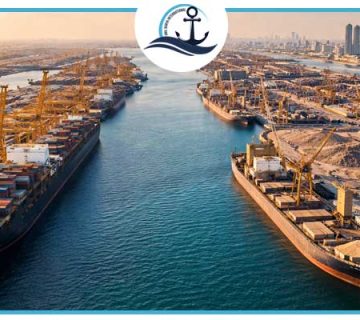
Dubai’s logistics ecosystem moves in a rhythm shaped by tourism peaks, industrial development, and shifting UAE cargo demand trends. Among all cargo categories moving through Dubai’s ports, break bulk freight is one of the most sensitive to seasonal changes. Because it involves non-containerized goods—steel structures, machinery, vehicles, hospitality equipment, fabrication modules—every shift in demand influences vessel scheduling, handling priority, and port-side operations. Understanding these seasonal fluctuations is essential for importers who rely on Dubai as a gateway for project cargo, hospitality procurement, OOG machinery, and industrial shipments.
While containerized cargo benefits from automation and standard processes, break bulk depends on specialized cranes, lifting plans, and manual handling. That means even small increases in seasonal imports can create ripple effects across port operations. These fluctuations become particularly visible during high-tourism months, major construction cycles, and peak import seasons when heavy infrastructure investments coincide with hospitality demand. Companies like Anil Darya Shipping play a critical role in managing these fluctuations through professional handling, scheduling, and multimodal routing solutions.
Tourism’s Influence on Break Bulk Seasonality
Tourism in Dubai is more than an economic driver—it is a logistical force. Months leading up to major tourism peaks bring heavy inflows of supplies for hotels, resorts, restaurants, exhibitions, and entertainment venues. These goods are often irregularly shaped and oversized, making them ideal candidates for break bulk shipping rather than containers.
During these periods, terminals often experience:
- Higher vessel congestion
- Increased demand for heavy-lift cranes
- Limited availability of storage yards
- Tighter scheduling for unloading oversized pieces
Such conditions influence Dubai break bulk seasonality, pushing importers to plan months in advance to secure berthing windows and minimize delays. Hospitality-driven imports, combined with time-sensitive event equipment, create bottlenecks that directly affect handling priorities and freight rates.
Off-Season Advantages for Heavy Break Bulk and Industrial Imports
The period after Dubai’s tourism peak—typically the hotter summer months—brings noticeable relief to the logistics ecosystem. While tourism imports decline, industrial activity remains steady, giving importers a more predictable window for transporting heavy machinery, steel coils, fabrication modules, transformers, and oversize equipment.
Businesses often use the off-season to move:
- Large construction materials
- Energy sector equipment
- Factory machinery requiring survey reports
- Project cargo for upcoming infrastructure expansions
During these quieter months, the UAE cargo demand trends shift from hospitality-driven surges to industrial and government project requirements. As a result, shippers typically enjoy:
- Faster customs clearance
- Improved availability of port cranes and OOG handling slots
- Lower risk of storage charges due to congestion
- More favorable freight rates
This contrast between peak tourism demand and summer-season industrial movement is one of the central characteristics of break bulk seasonality in Dubai.
How Imports Shape Break Bulk Logistics in Dubai
Imports into Dubai follow complex annual patterns that go far beyond simple increases and decreases in cargo volumes. These patterns directly influence how break bulk freight is handled, scheduled, and prioritized across the port system. Because break bulk cargo—machinery, steel structures, industrial modules, oversized equipment—cannot be containerized, every shift in import behavior has a tangible effect on vessel timing, port availability, and the overall flow of goods. This makes Dubai break bulk seasonality heavily dependent on the rhythm of imports entering the city.
The Overlapping Waves of Tourism, Construction, and Industrial Imports
Dubai’s economy experiences multiple seasonal “waves” of imports. Some waves are driven by tourism, others by real estate and construction cycles, and others by large-scale industrial or energy projects. Each wave carries its own cargo type and timing requirements, but the true complexity emerges when these waves overlap. For instance, the arrival of hospitality equipment during high tourism season often coincides with the import of steel, generators, transformers, or refinery equipment tied to winter construction activity. This overlap intensifies pressure on berthing schedules, heavy-lift crane demand, and storage capacity. These interactions form the backbone of UAE cargo demand trends, shaping the logistics behavior of Dubai’s ports.
How Import Timing Redefines Break Bulk Handling Dynamics
Every import season reshapes how break bulk must be managed. A large transformer arriving during a low-demand month may pass smoothly through the port. Yet the same shipment arriving during a high-intensity import cycle faces reduced equipment availability, limited crane slots, congested yards, and longer waiting times for inland movement. These are not inefficiencies—they are the natural result of Dubai’s multi-industry import calendar, which dictates where operational resources must be focused. The sensitivity of break bulk cargo to these seasonal changes makes timing one of the most strategic factors in freight planning.
The Diverse Nature of Imports and Its Impact on Port Priorities
Tourism-related imports tend to be time-sensitive, lighter, and highly varied—ranging from hotel equipment and restaurant machinery to event staging systems. In contrast, industrial imports such as steel beams, turbine units, fabrication modules, and construction machinery are far heavier, slower to handle, and require precise coordination and surveying. When both categories peak at the same time, ports must prioritize based on urgency, safety, vessel schedules, and the complexity of cargo. This creates a cascading impact that immediately affects break bulk throughput, handling times, and even seasonal pricing models.
Seasonal Congestion and Its Direct Influence on Break Bulk Rates
Because Dubai’s construction season typically aligns with cooler months—the same months that tourism demand rises—break bulk freight faces predictable congestion cycles. This dual demand peak increases handling pressure, which often triggers fluctuations in freight rates, port charges, and crane appointment availability. Importers planning heavy or oversized shipments during these periods must anticipate these seasonal challenges. Logistics providers like Anil Darya Shipping analyze these patterns and help clients avoid bottlenecks by scheduling break bulk shipments in less congested seasons whenever possible.
Why Understanding Import-Driven Seasonality is Critical for Break Bulk Success
Imports shape break bulk logistics not just by influencing port operations, but by redefining every major decision point within the shipping chain: scheduling, survey planning, lashing requirements, vessel booking, and inland transport availability. Shippers who align their operations with Dubai’s import rhythms benefit from smoother handling, lower risk of congestion, and reduced overall cost. Those who move cargo during peak import cycles can still achieve reliability—but only through accurate forecasting, early reservation, and support from an experienced logistics partner familiar with seasonal demand cycles and tourism imports Dubai.
The Role of Multimodal Solutions in Managing Seasonality
Dubai’s logistics infrastructure is built for flexibility. When tourism peaks stress sea freight terminals, some importers shift toward multimodal solutions—sea-to-air, sea-to-land, or land-to-air to bypass congestion. Items requiring urgent delivery for hotel launches, exhibitions, or events may even be redirected via air freight Dubai for faster clearance.
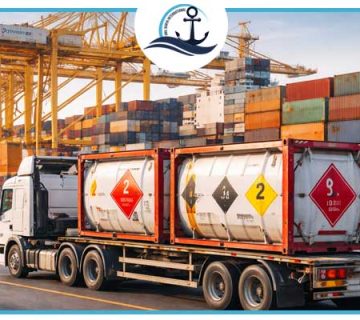
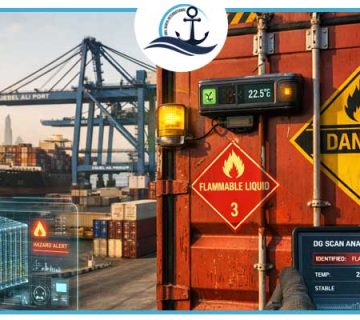
For break bulk shipments containing hazardous components, such as batteries, oils, equipment containing DG items, or pressure cylinders, professional compliance under IMDG/IATA rules is crucial. In such cases, end-to-end partners like Anil Darya Shipping provide safe and regulated movement, enabling routing flexibility even during congested seasons.
Incorporating multimodal freight solutions from Dubai can reduce delays and improve delivery certainty when shipping lines or terminals face seasonal backlogs.
Why Importers Rely on Anil Darya Shipping During Seasonal Shifts
Seasonality is inevitable, but disruption is not—provided shippers work with experienced logistics partners.
Anil Darya International L.L.C-FZ has built a strong presence in Dubai’s break bulk sector with expertise in:
- Machinery & OOG handling
- DG cargo coordination
- Bulk & break bulk planning
- Multimodal routing
- Vessel scheduling
- Customs & port documentation
This experience allows importers to secure guaranteed time slots, correct survey documentation, professional lashing/unlashing, and seamless delivery even during peak operational pressure. With deep understanding of tourism imports Dubai and industrial cycle variations, Anil Darya Shipping supports clients in choosing the optimal month, mode, and routing to minimize cost and time.
If you require a seasonal freight strategy, operational planning, or a reliable partner for break bulk, DG, or oversized machinery, our team is ready to support you.
Frequently Asked Questions (FAQ)
Because break bulk needs cranes, custom lifting plans, and more manual handling—making it vulnerable when port infrastructure is under seasonal pressure from tourism or industrial demand.
Yes. Rates often increase during peak tourism periods or when industrial imports overlap with these peaks, due to limited port capacity.
Summer off-season is generally smoother for handling large or delicate break bulk items, with less congestion and better appointment availability.
Hotels, resorts, event spaces, and hospitality projects import equipment in preparation for high season, increasing break bulk arrivals.
Yes. Sea-to-air or land-to-sea routing—coordinated through partners like Anil Darya Shipping—can bypass congested terminals during peak seasons.