|
Getting your Trinity Audio player ready...
|
Common Mistakes to Avoid When Shipping Hazardous Materials from Dubai
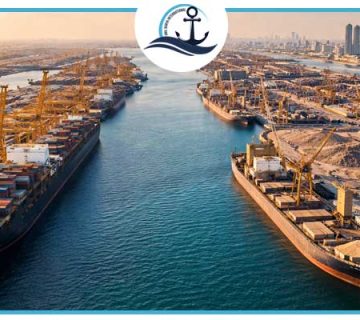
Shipping hazardous materials from Dubai is a process that demands absolute accuracy. With Dubai’s reputation as a global logistics hub—particularly through Jebel Ali Port and major free zones—authorities enforce strict rules for handling, labeling, and transporting dangerous goods. Even small errors in documentation, packaging, or classification can create major delays or even result in complete rejection of the shipment. These challenges make compliance essential not only for safety but also for maintaining smooth commercial operations.
Unfortunately, many exporters still underestimate the depth of UAE DG shipping regulations. They treat dangerous goods like normal cargo, leading to predictable and costly mistakes. Dubai’s systems are highly integrated and sensitive; if even one detail in your declaration, label, or MSDS doesn’t match the standards, your shipment will not move. This is exactly why choosing a DG-experienced partner such as Anil Darya Shipping is critical. Their team ensures that every detail follows both IMDG/IATA codes and Dubai-specific requirements.
Incomplete or Incorrect DG Documentation
A major mistake most shippers make is submitting documentation that is outdated, incomplete, or improperly aligned with the cargo’s actual composition. Some exporters assume an MSDS document is the only requirement, while in reality Dubai authorities require consistent details across declarations, manifests, and electronic submissions.
Shippers often fall into problems when the MSDS is more than three years old, or when the hazard class on the DG declaration does not match the information written on the packaging. Even a single UN digit written incorrectly can cause Dubai Customs or the port operator to flag the shipment instantly. This issue becomes even more severe when products involve chemicals, lithium batteries, oils, adhesives, or industrial tools with hidden hazards.
Many exporters could avoid these errors simply by using a robust dangerous goods checklist, ensuring verification of classification, packing group, flash point, and required labels. Shippers familiar with digital documentation systems know how important it is for digital and printed details to match perfectly.
Improper Packaging & Mislabeling
Packaging mistakes remain one of the most common reasons DG shipments are delayed or rejected in Dubai. Everything from the quality of the container to the printed labels affects approval.
Typical packaging problems include:
- Using packaging that is not UN-certified for the class of goods
- Reusing old drums or damaged cartons
- Missing or incorrect hazard class labels
- Poorly applied orientation arrows or UN codes
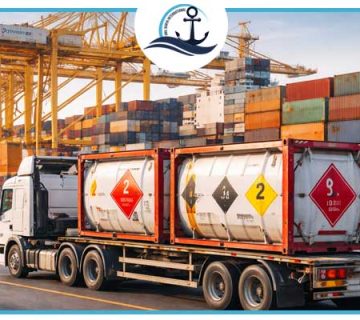
Dubai’s terminals operate under highly controlled safety standards; inspectors immediately identify non-compliant packaging or labeling. Even when the product is harmless in daily use, if its packaging is wrong, the shipment will not be accepted. This is particularly common with exporters shipping paints, chemicals, oils, and lithium-ion batteries.
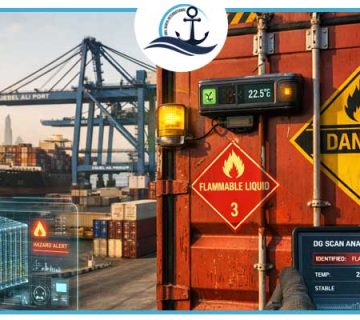
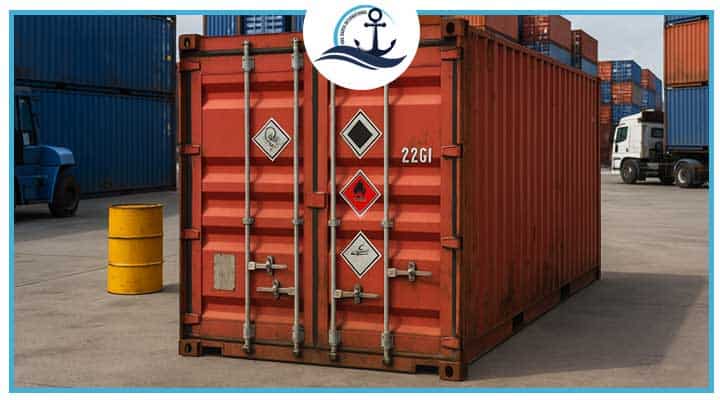
Proper labeling is equally important. Hazard symbols must be printed in the correct colors and sizes. Any fading, smudging, or misplaced label can result in repacking fees or forced storage until corrections are made. Exporters with experience in multimodal cargo handling already know how critical consistent labeling becomes when combining sea and air legs.
Ignoring Segregation Requirements
Segregation is one of the most misunderstood areas in DG shipping. Many exporters are unaware that certain materials must not be stored or transported next to each other. Others mistakenly assume that segregation rules only apply to break bulk cargo—not containerized shipments.
Flammable liquids cannot be placed near oxidizing agents, corrosives must be separated from metals, and certain chemicals cannot be transported in the same proximity as food-grade items. Dubai’s stowage planners check segregation rules strictly before approving a container for loading. If compatibility rules are violated, the container is held aside, causing missed sailings and additional charges.
This challenge becomes even more serious during peak season when vessel schedules are tight. Exporters familiar with seasonal cargo behavior in Dubai ports understand how even a small delay disrupts the entire supply chain.
Assuming All Carriers Accept All DG Cargo
One of the most harmful assumptions exporters make is believing that all airlines and shipping lines accept all DG classes. In reality, every carrier has its own list of restrictions, which may depend on:
- Aircraft or vessel type
- Transshipment port restrictions
- Local regulations at destination
- Crew certification requirements
Carriers often restrict lithium batteries, gases, aerosols, organic peroxides, and toxic chemicals. Some airlines reject entire UN categories. Shippers who do not check these limitations early often discover the issue only after their cargo reaches the terminal—by which point they must rebook, reclassify, or return the goods.
Working with a DG-experienced logistics provider like Anil Darya Shipping ensures these limitations are reviewed long before the cargo reaches the port, preventing last-minute complications.
Cost Miscalculations
Dangerous goods shipments almost always involve additional costs: DG documentation fees, hazard surcharges, special lashing or dunnage requirements, inspection fees, and extra handling costs. Exporters who are not familiar with these charges often underestimate the final freight expenses and find themselves facing unexpected fees.
A bigger issue occurs when shippers intentionally book DG cargo under “non-DG” rates to avoid these charges. This not only leads to penalties but can also result in blacklisting from certain carriers. Dubai’s DG regulations are strict, and carriers immediately reject any shipment that appears misdeclared.
Late DG Submission
Timely submission is crucial in Dubai. Many DG classes require pre-approval before the cargo even arrives at the terminal.
Delays occur when:
- DG details are submitted close to cutoff
- Carriers need additional time for verification
- Air carriers request extra screening
- DG documentation requires correction
This becomes critical for urgent shipments, especially via air freight where carriers follow strict cutoff windows. Late submission often results in missing the planned flight or sailing.
To avoid this, exporters must submit DG documents several days in advance and confirm approvals before moving the cargo to the port.
Trying to Handle DG Without Certified Expertise
Perhaps the most dangerous mistake is attempting to manage all DG steps without proper training. Dangerous goods are regulated for safety reasons, not bureaucracy. One misclassification or incorrect packaging choice can lead to fire risks, chemical reactions, or environmental hazards.
A DG-certified partner like Anil Darya Shipping provides full compliance support—from classification to packaging, labeling, documentation, carrier approvals, and final loading. Their experience reduces operational risk significantly and prevents costly errors.
Summary of the Most Critical DG Errors
- Incorrect classification or wrong UN number
- Outdated MSDS documents
- Non-UN packaging or incorrect labeling
- Ignoring segregation requirements
- Assuming universal carrier acceptance
- Submitting DG too close to cutoff
- Lack of DG-certified support
These errors are responsible for nearly all DG-related delays, penalties, and operational failures in Dubai.
Why Choose Anil Darya Shipping?
As a specialized DG logistics provider, Anil Darya International L.L.C-FZ supports DG shipments across sea freight, air freight, break bulk, and multimodal routes. The company handles everything from proper packing to carrier approval, ensuring your cargo moves safely and without compliance issues. Their team stays up to date with UAE regulations, making them a trusted choice for exporters who require reliability.
Frequently Asked Questions (FAQ)
The primary reasons include incorrect documentation, MSDS mismatches, and packaging that does not meet UN standards
Not all, but many everyday materials—like batteries, adhesives, oils, and powders—can be classified as DG during transport.
Only when segregation rules allow. Many DG classes cannot be combined with food-grade or flammable items.
Preferably several days before cargo cutoff, especially for sensitive DG classes or air shipments.
Because errors in DG handling can cause delays, fines, or serious safety risks. A certified forwarder like Anil Darya Shipping ensures full compliance.