|
Getting your Trinity Audio player ready...
|
Looking Ahead: Top Trends Shaping International Transport & Freight Through Dubai in 2026
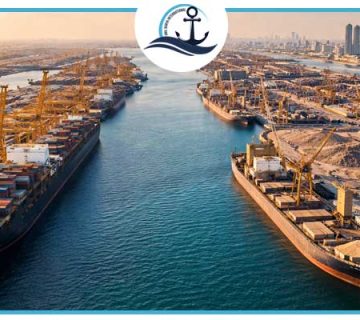
As global trade enters a new era shaped by automation, sustainability, and multimodal synchronization, Dubai stands at the center of the world’s logistics transformation in 2026. No longer just a transit hub, the emirate has become a fully integrated ecosystem where sea freight, air freight, inland transport, and smart trade platforms operate as one cohesive network. Supported by world-class infrastructure, proactive government policy, and growing international demand, Dubai’s freight landscape is shifting faster than any comparable market.
This transformation is strongly reflected in current Dubai shipping trends 2026, where digital forecasting, real-time visibility, and hybrid routing structures dominate corporate supply-chain planning. According to the latest UAE logistics forecast, companies importing or exporting through Dubai should expect a year of expanded capacity, streamlined documentation workflows, and intensified regulatory oversight—particularly for sensitive cargoes.
At the heart of this evolution is the rise of future sea-air freight corridors, an increasingly popular choice for industries requiring a balance between cost and speed. These optimized corridors between Jebel Ali Port and Al Maktoum Airport allow shippers to re-route cargo dynamically based on urgency, seasonal constraints, or cost-performance requirements. This flexibility is critical for segments that rely on precision logistics, including dangerous goods transport, high-value electronics, pharmaceuticals, and specialized break bulk operations.
Companies like Anil Darya Shipping Dubai have already aligned themselves with this new reality by adopting scenario-based forecasting, advanced compliance management, and integrated customer visibility dashboards. In 2026, forwarders who cannot operate with this level of digital maturity simply fall behind.
Digitalization, AI Forecasting & the Rise of Smart Documentation
Digital transformation is no longer an add-on; it is the backbone of Dubai’s freight competitiveness. Automation is taking over everything from slot bookings to route optimization and smart customs declaration systems.
AI tools now predict cargo arrival waves, helping ports avoid congestion and enabling shippers to plan warehouse labor, last-mile delivery, and clearance windows with far greater accuracy. In parallel, blockchain-backed documentation—expanding rapidly from pilot programs into mainstream operations—ensures authenticity, transparency, and faster turnaround times.
This transition aligns closely with insights already covered in blockchain-enabled freight documentation, where digital bills, certificates, and permits eliminate errors that traditionally caused multi-day delays. As these systems mature, shippers gain clearer visibility from origin to final delivery, while forwarders can mitigate compliance risks before cargo arrives at Dubai’s terminals.
Sea–Air Hybrid Growth: Dubai’s Most Powerful Competitive Advantage
Few logistics hubs in the world offer a synchronized sea–air model as efficient as Dubai’s. In 2026, this model will grow even more prominent due to:
- Transshipment speed improvements at Jebel Ali
- Expanded bonded corridors connecting port and airport
- Increased carrier participation in multimodal routing agreements
- Growing demand for mid-cost express logistics
Sea–air routing is especially valuable for industries facing tight global delivery windows but wanting to avoid full air freight costs. For DG cargo—where pure air transport may be restricted—hybrid solutions give shippers strategic flexibility.
The future sea air freight market is expected to grow by double digits, especially for perishables, retail fashion cycles, automotive components, and pharmaceutical intermediates.
Sustainability Pressures & the Greening of Freight
Environmental responsibility is becoming a global requirement, and Dubai is one of the earliest adopters of integrated emissions reporting. Carriers are shifting to cleaner marine fuels, AI-based route optimization, and efficient terminal operations.
Airlines operating through Dubai are also investing heavily in fuel-efficient aircraft, aligning with sustainability efforts covered in air freight carbon reduction programs.
For shippers, these changes mean:
- More predictable ETAs
- Reduced operational wastage
- Better compliance with international climate regulations
- Eligibility for eco-preferred routing options
By 2026, sustainability becomes not just a marketing term but a practical requirement in the freight procurement process.
Growth in Specialized Cargo: DG, Bulk & Break Bulk
Dubai’s diversification into manufacturing, energy, and industrial engineering sectors has accelerated demand for specialized handling.
Dangerous Goods
Break Bulk Cargo
Bulk Cargo
Dangerous Goods
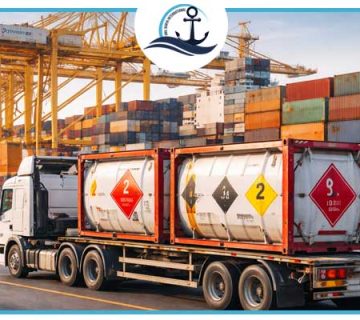
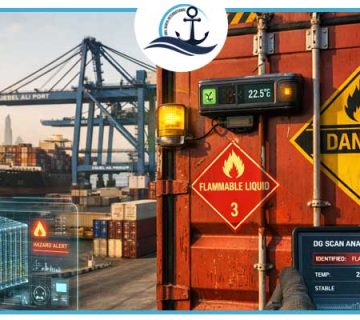
DG compliance will tighten further this year, requiring certified handlers, proper segregation, and port-approved documentation. Operators lacking specialized DG teams will face operational restrictions.
Break Bulk Cargo
As mega-construction and energy projects rise across the Middle East and Africa, Dubai remains the staging ground for machinery, steel structures, turbines, transformers, and oversized components. Efficient handling requires precise lashing, risk assessment, and vessel coordination—areas where companies like Anil Darya Shipping have strong expertise.
Bulk Cargo
Commodity movements—minerals, raw materials, industrial feedstock—will increase as regional manufacturing expands. Dubai’s deep-water capabilities and inland connectivity give it a significant advantage over neighboring markets.
Customs Innovation & Streamlined Clearance
Dubai’s Customs authorities continue to lead the region in automation, introducing pre-clearance systems, risk-based cargo profiling, and AI-driven inspection prioritization.
With improved integration between carriers and customs systems, clearance delays have dropped considerably. This innovation reduces storage fees, demurrage exposure, and congestion at free-zone warehouses.
These developments directly support the operational frameworks discussed in smart documentation workflows—proving that Dubai’s customs transformation is not theoretical but already reshaping day-to-day import and export cycles.
Why More Shippers Are Choosing Dubai-Based Specialists
As freight operations become more complex, shippers increasingly rely on experienced Dubai-based logistics partners. Anil Darya International L.L.C-FZ is one of the companies positioned to guide importers and exporters through 2026’s evolving requirements.
Their value comes from:
- Expertise in DG compliance and IMDG/IATA rules
- Optimized sea freight solutions on global lanes
- High-control air freight routing for urgent cargo
- Bulk & project cargo engineering
- Digital transparency for customers
- Risk-managed planning based on seasonal and market trends
In a market where visibility, speed, and compliance are non-negotiable, working with a partner that understands Dubai’s logistics mechanisms provides a measurable competitive advantage.
Frequently Asked Questions (FAQ)
New technologies, higher throughput capacity, and a sharper focus on sustainability all converge in 2026, redefining how shippers plan and execute freight.
Yes. More documentation checks, better segregation rules, and port-level audits are expected.
Absolutely. Their speed-to-cost efficiency makes them one of the fastest-growing logistics models in Dubai.
It reduces delays, eliminates duplicate paperwork, improves accuracy, and supports faster customs interaction.
Local expertise ensures real-time coordination with terminals, compliance with UAE standards, and direct visibility throughout the supply chain.