|
Getting your Trinity Audio player ready...
|
Dubai’s New DG Handling Standards How IMDG Amendment 42-24 Changes Your Shipping Plan
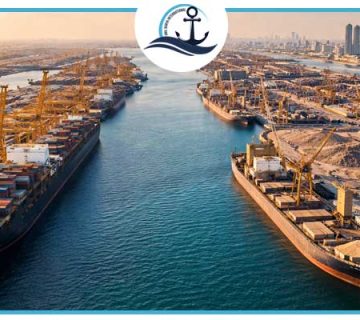
Dubai’s logistics sector is entering one of its most transformative regulatory cycles with the enforcement of IMDG Amendment 42-24, a global update that redefines how dangerous goods must be declared, packed, segregated, and transported. As one of the busiest DG transit hubs worldwide—linking Asia, Europe, and Africa—Dubai’s compliance landscape now demands significantly higher precision from shippers. Whether your cargo originates in Dubai or arrives here for transshipment, IMDG 42-24 affects every layer of the supply chain.
This amendment does not simply introduce new tables and packing instructions; it reshapes how the UAE verifies DG cargo at the digital and physical levels. With Jebel Ali Port adopting stricter compliance checks and Dubai Customs integrating improved automated validation tools, shippers must upgrade their documentation accuracy, packaging standards, and internal DG procedures. The new framework also influences air freight, multimodal connections, and even break-bulk and bulk operations, particularly when cargo contains DG residues or embedded chemical components.
In the context of Dubai’s growing importance as a regional logistics powerhouse, IMDG 42-24 Dubai serves as both a regulatory requirement and a strategic shift—one that demands updated workflows, advanced classification checks, and expert DG oversight.
How IMDG Amendment 42-24 Transforms DG Shipping Through Dubai
IMDG Amendment 42-24 introduces a deeper and more technical restructuring of DG classifications, container acceptance rules, and stowage compatibility requirements. For shippers using Dubai, the impact becomes greater because the emirate handles thousands of DG containers—many of which involve onward movement to Africa, Europe, and the Indian Subcontinent.
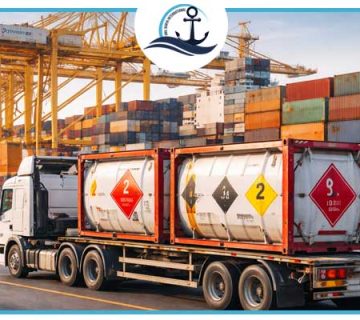
The new requirements particularly affect industries dealing with batteries, paint products, resins, chemicals, aerosols, flammable liquids, medical substances, and mixed cargoes packed within consolidated loads. These items now fall under revised packaging performance levels and modified stowage restrictions.
A major shift emerges in the multimodal environment. Dubai’s logistics ecosystem frequently relies on sea–air freight combinations, where cargo arrives via ocean freight and exits through air gateways like DWC Airport. Under IMDG 42-24, documents must fully harmonize with IATA standards, creating a zero-tolerance environment for inconsistencies.
Meanwhile, Dubai’s digital platforms now automatically cross-check DG declarations, MSDS information, UN numbers, flashpoints, and packing group assignments. This upgrade reflects the region’s push toward smart digital documentation workflows, which help eliminate human error and reduce port congestion. Any mismatch in paperwork may result in the shipment being held at the terminal, delayed, or routed for additional inspection.
Key Operational Changes Under IMDG 42-24
IMDG 42-24 introduces several operational updates that directly influence DG workflows across Dubai’s ports and free zones:
- Updated packing performance criteria for multiple DG classes, requiring shippers to review packaging compatibility before dispatch.
- Revised segregation tables, affecting how incompatible goods can be stored and transported within the same container or vessel hold.
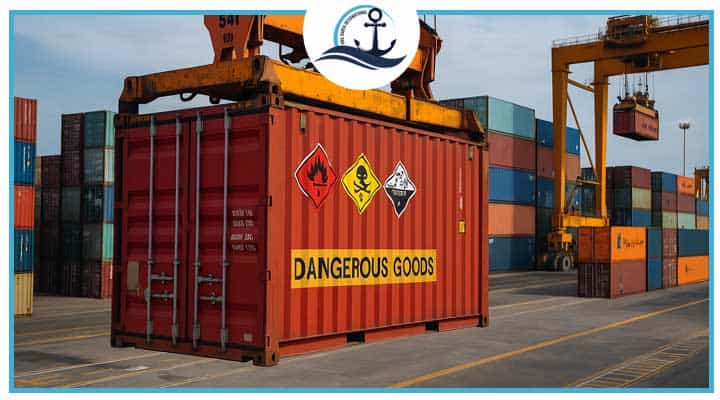
- Stricter SOC DG container acceptance rules, including confirmation of valid CSC plates, ACEP expiry dates, and DG suitability.
- Increased scrutiny from carriers and port authorities, especially regarding stowage, declaration accuracy, and MSDS alignment.
- Closer integration with UAE DG requirements, making the amendment effectively enforced at a national level, not just international.
These changes influence not only standard container loads but also break bulk cargo handling, where machinery or project cargo may contain oils, fuels, chemicals, or flammable residues that must now comply with revised classification and segregation rules.
Why IMDG 42-24 Matters for Shippers Using Dubai
IMDG 42-24 is especially significant for shippers using Dubai because the emirate manages a uniquely high volume of DG cargo passing through both sea and air corridors. With the new rules in effect, even minor discrepancies in classification, MSDS details, packing group assignment, or labeling can trigger delays, mandatory rework, or outright rejection by carriers. Dubai’s terminals now rely heavily on automated verification systems that compare digital declarations with physical documentation, reducing the margin for error and making accuracy essential.
This update also affects transit time, especially for multimodal DG movements where cargo needs to shift from a vessel arriving at Jebel Ali to an outbound flight. If IMDG documentation does not align with IATA requirements, the cargo may be blocked at the sea–air interface, causing significant disruptions. Shippers must therefore ensure that classification codes, packaging instructions, emergency response details, and segregation notes are correct from the beginning—not revised at the terminal.
Beyond compliance, IMDG 42-24 reshapes how businesses structure their operational planning. Internal SOPs must reflect the new amendment, DG containers must undergo updated condition checks, and digital platforms must mirror correct, verified cargo data. These requirements add complexity, which is why most companies now turn to expert partners like Anil Darya Shipping Dubai, known for providing corrective classification support, packaging coordination, SOC container inspection, and 42-24–aligned documentation services designed specifically for the UAE market.
Why Working With a Certified DG Specialist Is Now Essential
Because IMDG 42-24 influences every stage of the DG journey—from initial classification to port acceptance—working with a qualified specialist is no longer optional for Dubai-based exporters and importers. Anil Darya International L.L.C-FZ supports shippers with:
- Comprehensive UN classification and packaging reviews
- IMDG 42-24 compliant DG declarations and manifests
- Multimodal DG route planning (sea, air, sea–air)
- Inspection of DG SOC containers and compliance validation
- Support for DG-influenced break-bulk and machinery shipments
- Fully integrated hazardous cargo compliance aligned with UAE standards
By combining regulatory expertise with Dubai-based operational experience, Anil Darya Shipping ensures DG cargo moves without delays, penalties, or documentation conflicts.
Frequently Asked Questions (FAQ)
It updates global DG standards that directly affect cargo acceptance, documentation, and safety protocols across UAE ports and multimodal corridors.
Yes. Sea–air combinations through Dubai now require perfectly aligned IMDG and IATA documentation.
Cargo may be held, rejected, or require costly reworking before acceptance.
Any DG-related oils, chemicals, lubricants, or residues must now follow updated classification and segregation rules.
Anil Darya Shipping Dubai offers full DG classification, packing, inspection, and documentation services aligned with UAE DG and IMDG 42-24 standards.