|
Getting your Trinity Audio player ready...
|
Why Jebel Ali Is Becoming the Middle East’s Safest Hub for Hazardous Cargo in 2026
Dubai has become one of the world’s strongest gateways for dangerous goods transportation, especially for shippers whose origin or destination is Dubai itself. The rapid expansion of multimodal DG Dubai solutions reflects how international supply chains now depend on integrated logistics rather than single-mode transport. As regulations under IMDG, ADR-like land rules, and IATA grow stricter, companies handling hazardous materials require a seamless structure that connects sea, air, and land with zero compromise on compliance.
Why Shippers Moving DG To/From Dubai Prefer Integrated Models
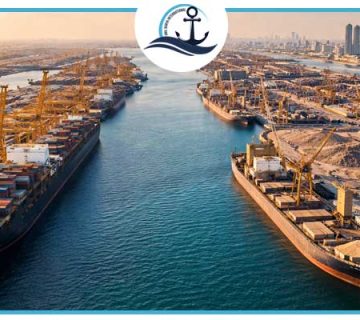
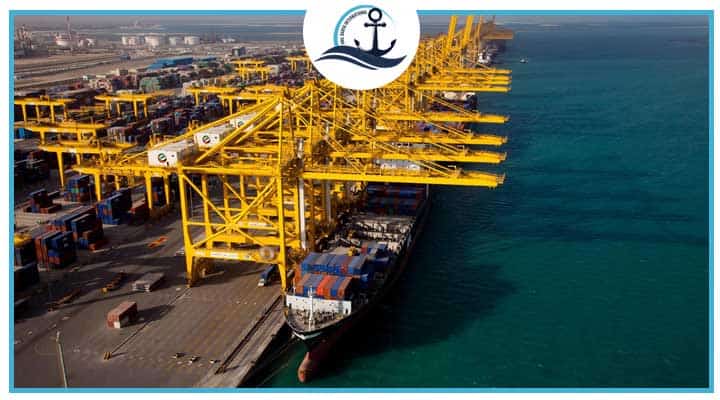
Dubai’s competitive advantage lies in its infrastructure and regulatory consistency. Jebel Ali Port, DG-certified handling zones, specialized bonded trucking, and two major airports (DXB and DWC) work together to support efficient multimodal flows. For companies dealing with DG cargo—from chemicals and lithium batteries to petrochemicals, adhesives, catalysts, bulk and break-bulk materials—this integrated multimodal ecosystem delivers what air-only or sea-only shipping cannot.
Traditional models present inherent limitations: sea freight is slow, air freight is restricted and expensive, and land transport alone cannot handle long international routes. A multimodal system solves these gaps by merging the strengths of all three modes into a single, optimized DG chain.
Understanding Dubai’s Modern DG Logistics Workflow
A successful DG logistics workflow begins long before a shipment reaches Dubai. All DG units must be precisely classified, correctly packaged, and documented under UN standards. MSDS validation, packing-group assessment, and compliance with IMDG, IATA, and UAE DG rules ensure the shipment can safely transition between modes.
Why Early Compliance Matters for Multimodal DG Transport
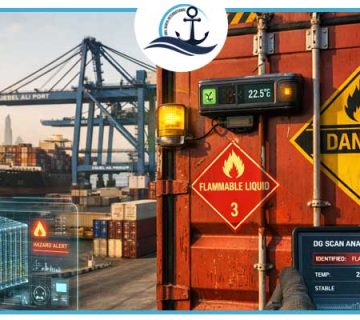
Once cargo begins its journey to Dubai—whether the origin is Asia, Europe, or Africa—the sea leg usually forms the long-haul phase. Upon arrival at Jebel Ali Port, DG handlers inspect labels, packaging, and documentation to ensure consistency before allowing the cargo to transition into land or air modules.
These steps are essential because multimodal DG transport requires alignment across three regulatory systems. A mismatch at any point may result in delays or rejections during mode transfer.
Sea, Land, and Air Modules in Multimodal DG Dubai
Sea Module
Land Module
Air Module
Sea Module: IMDG-Governed Long-Haul Movement
Sea freight is often the starting point for DG shipments whose destination is Dubai. IMDG regulations govern stowage, segregation, and handling during this phase. Jebel Ali Port, with its DG-dedicated zones and reinspection facilities, functions as the core entry hub for DG shipments transitioning toward air or land routes.
Land Module: The Compliance Bridge Connecting Modes
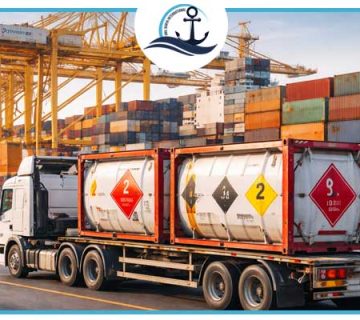
The land leg links the maritime and aviation parts of the chain. Bonded DG trucks transport cargo from Jebel Ali to warehouses, free zones, or airport DG terminals. This stage ensures repackaging, relabeling, and IATA-specific adjustments can be completed. Without this middle phase, many DG shipments would be rejected at airport entry points.
Air Module: Fast, Secure, IATA-Compliant DG Uplift
For exporters shipping DG from Dubai to international markets, the air module provides unmatched speed and connectivity. Once DG cargo meets IATA approval, uplift from DXB or DWC drastically shortens delivery times compared to sea-only shipping. This blend of sea and air significantly reduces transit time—often by 30–50%—while maintaining strict DG compliance.
Key Drivers Behind the Growth of Multimodal DG Dubai
- Dubai’s geographic position supports optimized east–west routing.
- UAE DG regulations are strict but predictable, reducing uncertainty.
- Sea–air routing cuts costs compared to pure air freight.
- Jebel Ali, Dubai South, DXB, and DWC offer world-class DG capability.
- Modern industries—EV batteries, pharma, industrial manufacturing—depend heavily on DG components benefitting from multimodal chains.
Documentation Challenges and Why Expertise Matters
Aligning IMDG, ADR-style land rules, and IATA documentation is one of the most challenging parts of multimodal DG operations. Even small inconsistencies can cause delays, port rollovers, or flight rejection. Since each mode performs its own compliance checks, accuracy across all documents is critical.
Expert oversight ensures MSDS accuracy, proper packaging, correct hazard labeling, and mode-to-mode alignment. This prevents costly operational delays and ensures uninterrupted flow of DG shipments into and out of Dubai.
What Anil Darya Shipping Provides for DG Shipments
- Multimodal DG planning across sea, air, and land
- MSDS verification & UN packaging compliance
- Planning optimized sea-air transport UAE routes
- DG-approved bonded trucking for port–airport transfers
- Cross-stuffing & DG handling inside Jebel Ali
- DG documentation coordination with UAE authorities
- 24/7 operational support for import/export DG cargo
These services guarantee safety and continuity for DG shipments routed to or from Dubai, delivering full compliance with UAE and international standards.
Looking to move hazardous cargo to or from Dubai using a fully integrated multimodal DG plan?
As one of Dubai’s experienced DG logistics providers, Anil Darya International L.L.C-FZ supports shippers with fully integrated sea–air–land workflows tailored for hazardous cargo. The company’s Dubai-based operations and global partner network make it a trusted choice for DG import, export, and transshipment through Jebel Ali and UAE airports.
Frequently Asked Questions (FAQ)
Not all. Some DG classes are prohibited under IATA. A full MSDS and packaging review is required before routing from or into Dubai.
Because Dubai offers unmatched marine–land–air connectivity, consistent DG regulations, and world-class inspection systems.
Core data is shared, but each mode (sea, land, air) conducts its own DG compliance checks.
Yes — Dubai supports bulk DG workflows and break-bulk DG transitions under certified operators.