|
Getting your Trinity Audio player ready...
|
How Multimodal DG Transport Works in Dubai
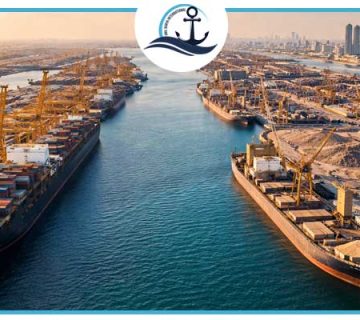
Dubai has rapidly positioned itself as one of the world’s most advanced logistics hubs for the movement of dangerous goods. As global supply chains become more complex and regulatory scrutiny increases, shippers are moving away from single-mode transport strategies and toward fully integrated solutions. This shift has fueled the rise of multimodal DG Dubai operations, where sea, air, and land transport work together under a single, compliant framework.
Unlike conventional logistics models, multimodal DG transport is not driven solely by speed or cost. It is built around continuity, risk management, and regulatory alignment. For hazardous cargo, every transition point represents a potential exposure. Dubai’s logistics ecosystem has been designed to minimize these risks by integrating infrastructure, authority oversight, and operator expertise into one cohesive system.
As both an origin and destination market, Dubai plays a dual role. It is not only a transit hub, but also a consolidation, redistribution, and compliance control center for dangerous goods moving across the Middle East, Asia, Europe, and Africa. This is where multimodal transport becomes a strategic advantage rather than a logistical compromise.
Why Multimodal DG Transport Is Rising in Dubai
Dubai’s rapid rise as a multimodal hub for dangerous goods is the result of long-term planning rather than coincidence. Global shippers increasingly require routing flexibility to adapt to port congestion, capacity shortages, and regulatory changes. Dubai offers this flexibility while maintaining strict safety and compliance standards.
Several structural factors are accelerating the adoption of multimodal DG transport in Dubai:
- Strategic geographic positioning connecting Asia, Europe, and Africa through a single logistics gateway
- Direct physical integration between Jebel Ali Port, major air cargo hubs, and bonded land corridors
- Strong regulatory alignment with IMDG, IATA, ADR, and UAE local authority requirements
- Availability of specialized DG handling facilities, approved storage zones, and trained personnel
Together, these factors allow Dubai to operate as a controlled coordination hub rather than a simple transshipment point. In this environment, multimodal DG Dubai workflows can be executed with minimal disruption, reduced dwell time, and a high level of regulatory confidence.
This integrated approach closely reflects the operational logic discussed in Dubai hazardous cargo compliance standards, where continuity and visibility are prioritized over isolated checks.
Understanding the Multimodal DG Logistics Workflow
A multimodal DG shipment is only as strong as its weakest transition point. For this reason, the logistics workflow must be planned holistically from the very beginning. Classification, packaging, documentation, and carrier selection all need to be compatible with every intended mode of transport.
Typically, the workflow begins with DG classification and packaging validation under IMDG or IATA rules, depending on the primary leg of the journey. Once the cargo arrives in Dubai by sea or air, it enters a controlled handling environment where inspections, authority approvals, and documentation verification are conducted without breaking the chain of compliance.
What distinguishes Dubai from many other hubs is that the DG logistics workflow remains continuous. Instead of restarting compliance procedures at each mode change, the shipment transitions seamlessly between sea, air, and land under a unified regulatory framework. This reduces handling risks and prevents administrative delays.
At Anil Darya Shipping, multimodal DG workflows are managed as a single operational process. Sea freight coordination, air cargo bookings, and land transport movements are aligned under one DG management strategy, ensuring consistency from origin to final destination.
Sea–Air Transport as a Strategic DG Solution
One of the most effective multimodal models in Dubai is sea–air transport. This approach combines the cost efficiency of ocean freight with the speed of air cargo, making it particularly suitable for time-sensitive or high-value dangerous goods.
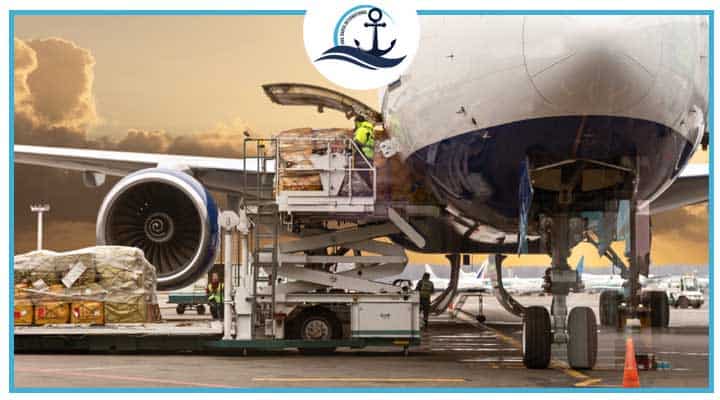
For example, hazardous cargo may arrive by sea at Jebel Ali and then continue by air to Europe, Asia, or Africa. This model allows shippers to respond to market pressures or production delays without compromising safety. The key advantage lies in the controlled transfer process, where packaging, labeling, and documentation are verified before the mode change.
The growing adoption of sea-air transport UAE models reflects a broader industry trend toward flexible routing supported by strong compliance mechanisms. Similar principles are explored in sea–air freight solutions from Dubai, where integration defines operational success.
The Role of Land Transport in Multimodal DG Chains
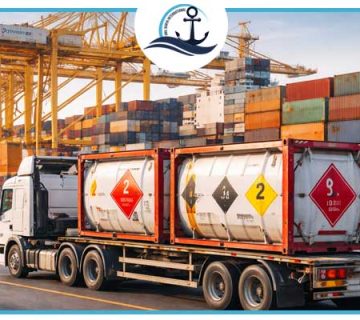
While sea and air transport often dominate discussions, land transport plays a critical supporting role in multimodal DG logistics. In Dubai, DG-approved trucking corridors connect ports, airports, free zones, and industrial areas under regulated conditions.
These land corridors ensure that dangerous goods move without unauthorized handling or exposure. They also enable efficient transfers between modes, reinforcing the continuity of the multimodal chain. In some cases, land transport supports limited break bulk or project cargo movements involving DG components, particularly for industrial or energy-related shipments.
Although not the primary focus, this capability strengthens Dubai’s position as a comprehensive DG logistics hub capable of handling complex cargo profiles.
Compliance as the Backbone of Multimodal DG Transport
In multimodal dangerous goods operations, compliance is not an isolated requirement—it is the backbone of the entire transport chain. Each mode introduces different regulatory obligations, yet the shipment must remain compliant across all of them simultaneously.
To maintain compliance continuity throughout the multimodal journey, operators rely on several critical control mechanisms:
- Verification of packaging compatibility across sea, air, and land transport requirements
- Regulatory approvals and inspections at every mode transition point within Dubai
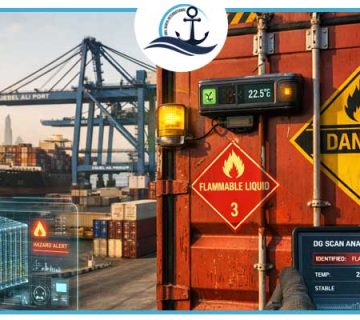
- Continuous consistency checks for MSDS, DG declarations, labels, and markings
- Coordination with carriers, handlers, and facilities certified for DG cargo
This compliance-first approach ensures that hazardous cargo moves through Dubai without regulatory gaps. It significantly reduces the risk of delays, penalties, or cargo rejection and reinforces the reliability of the overall DG logistics workflow.
Dubai’s approach aligns closely with IMDG 42-24 implementation practices in the UAE, where regulatory updates are embedded into daily operations rather than treated as exceptions.
Why Shippers Choose Anil Darya Shipping
Executing a multimodal DG shipment requires more than access to infrastructure—it requires experience. Anil Darya International L.L.C-FZ brings hands-on expertise in coordinating sea, air, and land DG movements from and to Dubai, ensuring that every shipment follows a controlled and compliant path.
Rather than offering fragmented services, Anil Darya focuses on workflow continuity. Documentation management, carrier coordination, authority approvals, and risk control are handled as part of a single logistics strategy. This integrated approach reduces operational friction and provides clients with full visibility over their hazardous cargo movements.
Frequently Asked Questions (FAQ)
Multimodal DG transport refers to the coordinated movement of dangerous goods using sea, air, and land transport under a single, compliant logistics workflow centered in Dubai.
Yes. Sea–air transport UAE models are permitted provided the cargo complies with IMDG, IATA, and UAE local authority regulations at each stage of the journey.
Dubai offers integrated ports, advanced air cargo infrastructure, regulated land corridors, and strong alignment with international dangerous goods standards.
Yes. When planned correctly, multimodal routing—especially sea–air combinations—can significantly reduce lead times without compromising safety or compliance.