
|
Getting your Trinity Audio player ready...
|
Real Cost Drivers of Air Freight in UAE: Fuel, ETS, Handling & DG Surcharges
Air freight in the UAE—particularly through Dubai—has earned its reputation as one of the most efficient and reliable logistics solutions globally. With world-class infrastructure, dense airline networks, and unmatched geographic positioning, Dubai enables rapid cargo movement across Europe, Asia, and Africa. However, while speed and connectivity are obvious advantages, the UAE air freight cost structure is often misunderstood.
Many shippers focus primarily on base airfreight rates, only to discover later that the final invoice bears little resemblance to the original quotation. This gap is not accidental. It is the result of layered cost drivers that reflect fuel exposure, regulatory compliance, operational risk, and environmental obligations specific to the UAE aviation ecosystem.
At an early stage, air freight costs from or to Dubai are shaped by several foundational elements that determine how pricing ultimately behaves.
Key cost components typically influencing UAE air freight include:
- Fuel-related surcharges linked to global jet fuel volatility
- Airport and ground handling charges driven by Dubai’s premium service and compliance standards
- Environmental and sustainability-related cost recovery mechanisms
- Dangerous goods (DG) acceptance, handling, and regulatory surcharges
These elements are not static. They interact dynamically based on cargo type, routing, airline policy, and regulatory exposure—making cost predictability one of the biggest challenges for shippers using Dubai as a gateway.
Why Air Freight Pricing in Dubai Is Structurally Different
Dubai is not a conventional origin or destination airport. It functions simultaneously as a consumption market, a production-export platform, and a high-volume transshipment hub. This triple role fundamentally alters the way air freight pricing is structured.
DXB and DWC are designed for continuous, high-throughput operations. To sustain this performance, authorities impose strict operational discipline across all cargo categories. Security screening, documentation accuracy, cargo integrity, and safety compliance are enforced uniformly, regardless of shipment size. While this ensures reliability, it also embeds fixed operational costs into every movement.
For shippers, this means that air freight pricing in Dubai reflects not only the physical movement of cargo but also the cost of maintaining systemic reliability. Regulated goods, time-sensitive shipments, and non-standard cargo profiles are particularly affected, as their risk exposure directly influences handling and acceptance conditions.
In practice, Dubai rewards preparedness. Well-documented, correctly classified shipments flow smoothly and predictably. Poorly prepared cargo, by contrast, attracts delays, re-handling, and additional charges that quickly inflate total cost.
Fuel Surcharges: The Most Volatile Cost Driver
Fuel surcharges represent the most unpredictable element within the UAE air freight cost equation. Airlines operating out of Dubai adjust fuel components frequently to reflect jet fuel prices, aircraft utilization, and route economics. Unlike base freight rates—which may be negotiated quarterly or annually—fuel surcharges are often revised monthly.
What complicates fuel cost management is that fuel is not applied uniformly. The same airline may apply different fuel recovery levels depending on aircraft type, load factor, and route density. Long-haul flights with strong demand profiles often absorb fuel more efficiently, while lower-frequency routes carry disproportionately higher fuel exposure.
From a shipper’s perspective, fuel-related cost impact typically appears through:
- Periodic fuel index revisions applied at the time of uplift
- Higher fuel recovery on niche, low-volume, or imbalanced routes
- Pricing variations linked to aircraft efficiency and routing structure
These dynamics explain why two shipments on similar lanes can produce different invoices within a short time frame. Experienced freight forwarders often mitigate this volatility by adjusting routings, consolidating volumes, or proposing hybrid options such as sea–air freight via Dubai, which balance cost stability with acceptable transit times.
Environmental Cost Pressure and Aviation ETS Exposure
Environmental compliance is an increasingly influential factor in global aviation pricing, and Dubai-linked air freight is no exception. While the UAE does not operate a domestic emissions trading system for aviation, international environmental frameworks indirectly affect pricing—particularly for shipments connected to Europe.
For Europe-bound cargo, airlines must account for emissions-related obligations on regulated legs. These aviation ETS UAE-linked costs are rarely visible as standalone charges. Instead, they are embedded into broader pricing mechanisms, including adjusted base rates, sustainability fees, or security-related surcharges.
This lack of transparency often leads shippers to underestimate environmental cost exposure. Yet as global emphasis on sustainable aviation fuel, carbon reporting, and emissions accountability intensifies, environmental cost recovery is becoming structural rather than exceptional. Over time, this trend is expected to reshape long-term pricing on high-volume trade lanes connected to Dubai.
Handling Charges at Dubai Airports: Operational Precision Comes at a Cost
Ground handling at Dubai airports is governed by strict service-level expectations. Standard cargo benefits from efficient throughput, but as shipment complexity increases, handling costs escalate accordingly. Oversized units, sensitive cargo, special storage requirements, or extended dwell times all introduce additional cost layers.
Handling charges are influenced by factors such as cargo dimensions, weight distribution, equipment usage, and security classification. For certain shipments, especially those involving non-standard handling, the ground component can represent a significant share of the total air freight cost.
This becomes particularly relevant when air freight is part of a broader logistics chain involving break bulk or project cargo operations through Dubai. In such cases, transitions between modes must be carefully planned to avoid duplicated handling charges or unnecessary exposure.
Dangerous Goods Air Surcharges: Compliance-Driven Cost Layers
Dangerous goods represent the most regulated segment of air freight in the UAE. DG air surcharges are not discretionary pricing tools; they are a direct reflection of compliance requirements, operational risk, and safety obligations.
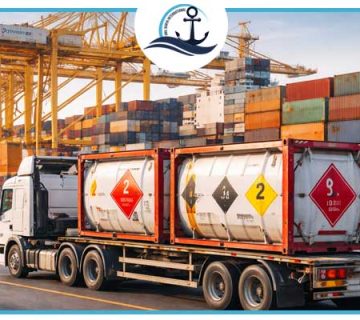
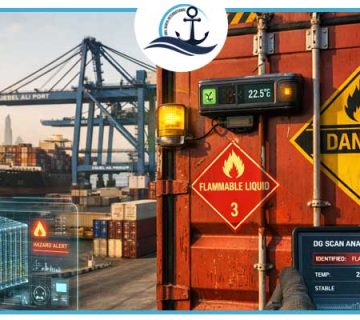
Shipping DG cargo to or from Dubai requires strict alignment with IATA DGR standards, airline acceptance policies, and airport authority controls. These requirements translate into layered costs associated with documentation, certified packaging, trained personnel, segregation, and emergency preparedness.
Rather than appearing as a single surcharge, DG-related costs are often distributed across multiple pricing elements, making them difficult for inexperienced shippers to anticipate. Early-stage advisory support is therefore critical. Freight forwarders with specialized DG expertise—such as Anil Darya Shipping—help clients manage classification accuracy, packaging optimization, and routing selection to control costs while maintaining full compliance, particularly for dangerous goods air freight from Dubai.
Strategic Cost Control for UAE Air Freight
As air freight pricing in the UAE continues to evolve, effective cost control depends less on chasing lower base rates and more on structural planning. Shippers that achieve predictable outcomes typically approach air freight as a managed system rather than a transactional purchase.
Successful cost strategies usually emphasize:
- Early identification of surcharge exposure, especially fuel and DG-related costs
- Accurate cargo classification and documentation before booking
- Shipment timing aligned with capacity and fuel cycles
- Collaboration with forwarders who understand Dubai-specific regulatory and operational dynamics
This approach transforms air freight from a reactive expense into a strategic logistics tool.
For companies shipping cargo to or from Dubai—particularly regulated, high-value, or time-sensitive goods—understanding the real cost drivers of air freight is essential. With its consultative approach and deep operational expertise, Anil Darya International L.L.C-FZ supports exporters and importers in navigating UAE air freight complexity through compliant, cost-optimized air logistics solutions.
Frequently Asked Questions (FAQ)
Beyond base airfreight rates, the total UAE air freight cost is primarily driven by fuel surcharges, airport and ground handling charges in Dubai, dangerous goods (DG) compliance costs, and embedded environmental or sustainability-related fees. These elements often fluctuate independently of base rates.
Fuel surcharges are linked to global jet fuel prices and airline operating economics. Airlines serving Dubai revise fuel components regularly—often monthly—based on fuel market volatility, aircraft utilization, and route demand, which makes fuel the most unstable cost element in air freight pricing.
DG air surcharges reflect the additional compliance, handling, training, and safety requirements mandated by IATA DGR, airlines, and UAE airport authorities. These costs may appear across multiple charge lines and can significantly increase total shipment cost if not planned for in advance.
Indirectly, yes. While the UAE does not operate a domestic aviation ETS, shipments flying to ETS-regulated regions—especially Europe—often include embedded environmental compliance costs within airline pricing structures, affecting overall freight cost.
Shippers can reduce total cost by ensuring accurate cargo classification, planning shipments early, avoiding peak fuel and capacity periods, and working with experienced freight forwarders who understand Dubai-specific regulations and can optimize routing, handling, and modal selection.