|
Getting your Trinity Audio player ready...
|
Dubai’s Growing Role in Project & Heavy-Lift Cargo: Global Demand 2026
Dubai has rapidly evolved from a regional trading hub into one of the world’s most strategically important gateways for project cargo and heavy-lift logistics. As global infrastructure investments accelerate toward 2026—driven by energy transition projects, industrial expansion, and large-scale construction—Dubai’s role in handling oversized, high-value, and technically complex cargo is becoming increasingly central.
Today, project cargo Dubai is no longer limited to traditional oil & gas movements. It now supports renewable energy installations, desalination plants, modular industrial units, power generation equipment, and mega-construction projects across the Middle East, Africa, South Asia, and even parts of Europe. This diversification is reshaping how global shippers, EPC contractors, and logistics planners view Dubai—not just as a transit point, but as a project logistics command center.
Why Project Cargo Is Accelerating Through Dubai
Several structural factors explain why Dubai is attracting a growing share of global heavy-lift and breakbulk projects. First, its geographic position offers unmatched connectivity between East and West. Cargo originating from Asia, Europe, or the Americas can be consolidated, staged, and redistributed efficiently through Dubai’s ports and logistics zones.
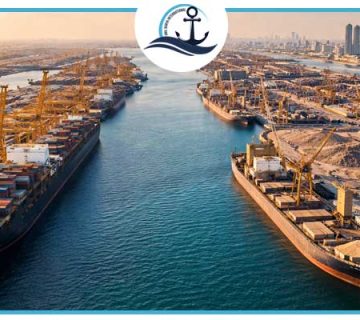
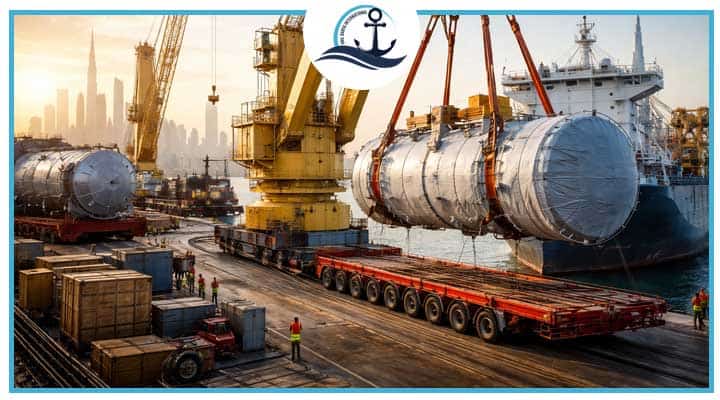
Second, the emirate has invested heavily in port infrastructure designed specifically for heavy-lift shipping UAE requirements. Terminals equipped with high-capacity quay cranes, roll-on/roll-off facilities, and specialized handling areas allow for the safe movement of cargo units that exceed standard container dimensions and weights.
Equally important is Dubai’s regulatory environment. Clear customs procedures, predictable port operations, and internationally aligned safety standards significantly reduce uncertainty for complex shipments. For project cargo planners working with tight timelines and contractual penalties, predictability is often more valuable than marginal cost savings.
From Oil & Gas to Renewables: A Broader Project Cargo Landscape
Historically, project cargo through Dubai was dominated by oil & gas equipment—refinery modules, drilling units, pressure vessels, and pipeline components. While this segment remains important, demand is increasingly shifting toward renewables and industrial diversification.
Wind turbine components, solar farm structures, battery storage systems, and hydrogen-related equipment are now moving through Dubai in growing volumes. These shipments often involve break bulk projects requiring precise sequencing, engineered lifting plans, and coordination across sea, land, and sometimes air transport.
This evolution aligns closely with broader discussions around Dubai shipping trends 2026 and the region’s push toward sustainable infrastructure. Project cargo logistics is no longer a niche service; it is becoming a backbone of regional economic transformation.
Heavy-Lift Shipping UAE: Technical Complexity Meets Operational Discipline
Heavy-lift cargo is defined not just by size or weight, but by complexity. Each shipment presents unique engineering challenges—from center-of-gravity calculations to route surveys and lifting simulations. Dubai’s logistics ecosystem has matured to handle these challenges at scale.
Key capabilities that distinguish Dubai include:
- Availability of heavy-lift vessels and multipurpose ships with high crane capacities
- Access to modular transporters and specialized trailers for inland moves
- Experienced surveyors, engineers, and port operators familiar with international project standards
This ecosystem allows logistics providers to design end-to-end solutions rather than fragmented transport legs. For shippers, this translates into lower risk and better cost control over the full project lifecycle.
Companies like Anil Darya Shipping, with hands-on experience in project cargo and breakbulk operations from and to Dubai, play a critical role here. Acting not merely as freight forwarders but as logistics advisors, they help clients navigate technical, regulatory, and operational complexities from planning through execution.
Dubai as a Staging & Consolidation Hub for Global Projects
One of Dubai’s most underestimated advantages is its function as a staging and consolidation hub. Large projects rarely ship from a single origin. Components are often sourced globally—manufactured in Asia, engineered in Europe, and assembled near the final project site.
Dubai enables consolidation of these disparate cargo flows into a controlled environment. Equipment can be received, inspected, repackaged, and sequenced before final delivery. This reduces congestion at destination ports and allows EPC contractors to manage installation schedules more effectively.
This role is particularly valuable for projects in emerging markets where port infrastructure may be limited. By handling the most complex logistics phases in Dubai, project owners reduce exposure to downstream operational risks.
Integration With Sea, Land, and Selective Air Solutions
While project cargo is predominantly moved by sea, successful execution often requires multimodal integration. Heavy components may arrive by vessel but require specialized land transport for final delivery. In select cases, critical sub-components or documentation may move by air to meet project milestones.
Dubai’s ability to integrate sea, land, and air workflows supports this flexibility. Although air freight is rarely used for oversized units, it plays a supporting role—particularly for high-value control systems or urgent replacements. This naturally connects project logistics with broader discussions around sea-air freight solutions from Dubai without forcing artificial overlap.
Risk Management and Compliance in Project Cargo
Risk management is a defining element of project cargo logistics. Damage, delays, or regulatory non-compliance can trigger cascading impacts across an entire project schedule. Dubai’s compliance framework helps mitigate these risks through standardized inspections, documentation controls, and internationally recognized safety procedures.
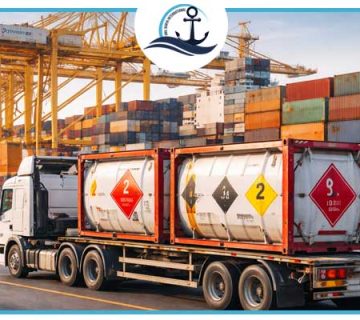
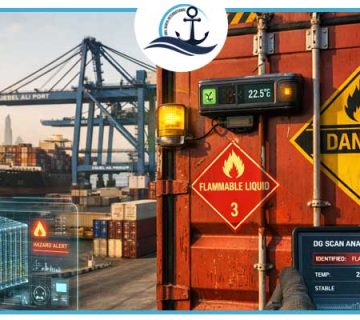
For certain projects, especially those involving industrial chemicals or energy equipment, there may also be intersections with hazardous cargo handling regulations in Dubai. While project cargo is not inherently dangerous goods, overlap does occur—making experienced compliance oversight essential.
Professional logistics providers ensure that packaging, labeling, lifting plans, and transport documentation align with both international conventions and UAE-specific requirements.
Commercial Drivers Behind Global Demand Toward 2026
Looking ahead to 2026, several macro-economic trends are expected to sustain strong demand for project and heavy-lift cargo through Dubai:
- Continued investment in renewable energy infrastructure across MENA and Africa
- Industrial relocation and near-shoring strategies requiring modular plant shipments
- Expansion of water, power, and transport infrastructure in emerging economies
- Increased use of prefabricated and modular construction techniques
Each of these trends favors logistics hubs capable of handling complexity at scale. Dubai’s position, infrastructure, and expertise place it at the center of this demand curve.
The Role of Strategic Logistics Partners
In project logistics, execution quality often matters more than headline freight rates. Choosing the right logistics partner can determine whether a project stays on schedule—or spirals into delays and cost overruns.
Anil Darya Shipping approaches project cargo from and to Dubai with a planning-first mindset. By engaging early in the project lifecycle, the team supports feasibility analysis, route planning, cost optimization, and risk mitigation. This consultative approach aligns closely with the expectations of EPC contractors and industrial clients operating under tight performance constraints.
Whether handling heavy-lift units, oversized breakbulk cargo, or integrated multimodal movements, the focus remains on predictability, safety, and transparency.
If you are planning a project cargo or heavy-lift shipment from or to Dubai and need a partner who understands both technical execution and regional realities, Anil Darya International L.L.C-FZ is ready to support your project with tailored logistics solutions.
Frequently Asked Questions (FAQ)
Project cargo refers to the transportation of large, heavy, or high-value equipment that requires customized planning and handling. In Dubai, it commonly includes industrial modules, energy infrastructure, and oversized construction components.
Dubai offers specialized port infrastructure, experienced operators, and predictable regulations, making it a preferred hub for heavy-lift shipping UAE and regional project logistics.
Key industries include oil & gas, renewables, power generation, water infrastructure, mining, and large-scale construction projects.
Sea freight is the primary mode, but project logistics often integrate land transport and selective air freight for critical components or urgent timelines.
An experienced forwarder manages planning, compliance, lifting coordination, route surveys, and risk mitigation—ensuring smooth execution from origin to final destination.