|
Getting your Trinity Audio player ready...
|
Container Overboard Detection System Uses AI to Improve Sea Freight Safety
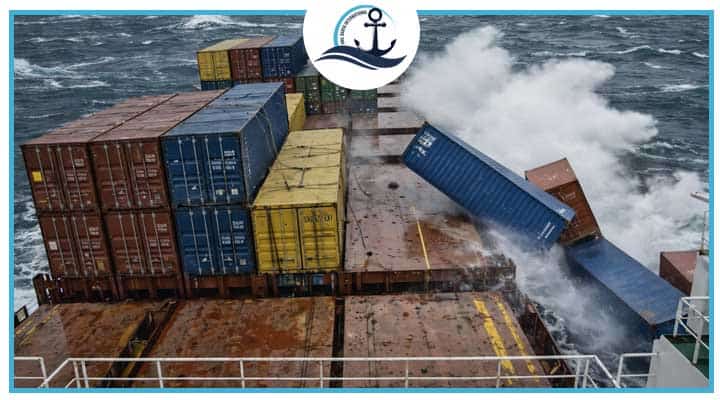
A new artificial intelligence–driven system designed to detect and report containers lost overboard is entering live vessel trials, marking a significant step forward for sea freight safety and regulatory compliance. Developed jointly by Eyesea and EVI Safety Technologies, the solution uses standard onboard cameras to automatically identify container loss incidents in real time.
After extensive testing in simulated environments, the technology is now ready to be deployed on operational vessels trading on international sea freight routes, where container losses continue to pose serious navigational, environmental and insurance risks.
How the AI Detection System Works
The system relies on advanced computer vision and machine learning algorithms, analysing live video feeds from existing deck and bridge cameras. It is capable of detecting:
- Containers falling from a vessel during heavy weather or cargo shifts
- Containers floating or drifting near the ship’s track
Once an incident is identified, the system automatically records the event, counts the containers involved, and captures geo-referenced visual evidence. This data can then be transmitted immediately to shipowners, flag states and—where required—coastal authorities.
By leveraging equipment already installed on most modern ships, the solution avoids the need for additional hardware while significantly improving situational awareness during deep-sea freight operations.
Supporting New IMO Container Reporting Rules
The launch comes as the International Maritime Organization (IMO) prepares to enforce mandatory container loss reporting requirements. Under the new framework, vessels must promptly report:
- The position of the incident
- The number of containers lost
- Any known information about cargo contents, particularly dangerous goods
The Eyesea–EVI system is designed to support compliance by generating accurate, time-stamped and geo-tagged incident reports immediately after detection. This reduces the reporting burden on bridge teams while improving the reliability and consistency of information shared with authorities and nearby ships operating in the same sea freight corridor.
Closing a Long-Standing Safety Gap
One of the most persistent challenges in container shipping is that many overboard losses go unnoticed or are reported too late to prevent secondary incidents. Floating containers present a serious collision risk to other vessels, fishing boats and offshore installations, particularly along busy sea freight lanes.
By enabling real-time detection and automated alerts, the new system helps address this gap—providing earlier warnings to surrounding traffic and improving overall maritime domain awareness.
Vladimir Ponomarfev, CEO of EVI Safety Technologies, said the application of AI to this issue represents a long-overdue shift in maritime safety practices, allowing the industry to better manage environmental and navigational risks that have existed for decades.
Growing Attention on Container Loss Incidents
Container losses at sea have been drawing increasing scrutiny across the shipping industry. Industry media reports show multiple overboard incidents occurring within short timeframes, highlighting the scale of the challenge and the need for better detection tools across global sea freight networks.
As regulatory pressure mounts and insurers demand stronger risk controls, AI-based monitoring systems such as this are expected to play a growing role in improving safety, transparency and accountability in container shipping.