Maersk Increases Emergency Contingency Surcharge on India–Europe Services
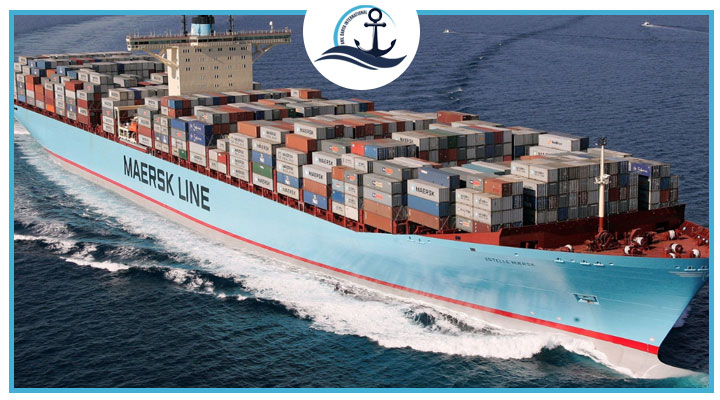
Maersk has announced an increase to its Emergency Contingency Surcharge (ECS) for cargo moving from the Indian Subcontinent to North Europe and the Mediterranean, with the revised charges taking effect on 1 August 2026. The updated surcharge applies to shipments carried on the carrier’s E3W and E4W services and affects a broad range of export origins across South Asia.
Revised Surcharges Across South Asian Export Markets
The higher ECS will apply to shipments originating from North West India, South India, East India, Pakistan, Bangladesh, Nepal, Sri Lanka and the Maldives.
For cargo moving from North West India and Pakistan to North Europe, the surcharge will increase to US$3,500 per container. Shipments originating in Bangladesh will also face higher ECS levels, with the applicable charges varying according to container size and equipment type.
On the Mediterranean trade lane, Maersk will introduce separate revised surcharge levels for 20ft containers, 40ft dry containers and reefer equipment serving North West India and Pakistan.
Wider Impact Across Special Equipment
The revised ECS will not be limited to standard containers. According to Maersk, the surcharge will also apply to out-of-gauge (OOG) cargo, shipper-owned containers (SOC) and non-operating reefer (NOR) equipment, extending the additional cost to a wider range of specialised cargo movements.
This broader application means exporters using project cargo, temperature-sensitive shipments or specialised equipment may also experience higher transportation costs on affected Europe-bound services.
Additional Cost Pressure for India–Europe Trade
The surcharge increase is expected to place additional financial pressure on cargo moving between the Indian Subcontinent and Europe. Exporters shipping dry cargo, refrigerated goods and specialised equipment may need to reassess freight budgets as the higher ECS becomes effective.
Changes of this nature can influence booking strategies, transportation costs and overall landed costs, particularly for businesses that rely on regular sailings between South Asia and European destinations.
Planning Considerations for Shippers
Companies moving cargo on the affected routes may wish to review upcoming bookings, verify the applicable ECS for their equipment type and destination, and factor the revised charges into freight cost planning before the new rates come into effect on 1 August 2026.
As carriers continue to adjust surcharges in response to operational conditions, monitoring announced tariff changes remains an important part of managing international sea freight costs.