|
Getting your Trinity Audio player ready...
|
Hormuz Shipping Traffic Falls as Gulf Security Risks Escalate
Commercial shipping activity through the Strait of Hormuz has declined sharply as security concerns continue to grow following reports of incidents involving oil tankers and an escalation in military operations across the Gulf.
Iran claimed that two unidentified oil tankers were immobilised after explosions while navigating the southern passage of the Strait of Hormuz. According to the Islamic Revolutionary Guard Corps (IRGC), the vessels had entered what it described as an unsafe or mined route under pressure from the United States. The authorities did not disclose the vessels' identities, flags, casualty information or supporting evidence, and the claims have not been independently verified.
UKMTO Reports Vessel Fire Near Oman
The Iranian statement followed a maritime security advisory issued by UK Maritime Trade Operations (UKMTO), which reported a vessel on fire approximately eight nautical miles north-west of Kumzar, Oman.
UKMTO said the information had been provided by military authorities but noted that the cause of the fire had not been verified. The organisation did not identify the vessel or confirm whether the incident was linked to the wider regional conflict.
The separate reports have added to uncertainty surrounding commercial navigation through one of the world's most strategically important maritime corridors.
Iran and US Exchange Fresh Warnings
Iran stated that the Strait of Hormuz would remain unsafe for petrochemical shipments and declared that oil and gas exports would not resume while United States military operations continued in the region.
At the same time, Washington announced a ninth consecutive day of military strikes against Iranian targets. According to US Central Command, the latest operations were intended to reduce Iran's capability to threaten merchant vessels operating within the Strait of Hormuz.
The exchange highlights the continuing deterioration in regional security, with commercial shipping remaining at the centre of the confrontation.
Tanker and Vessel Traffic Continue to Decline
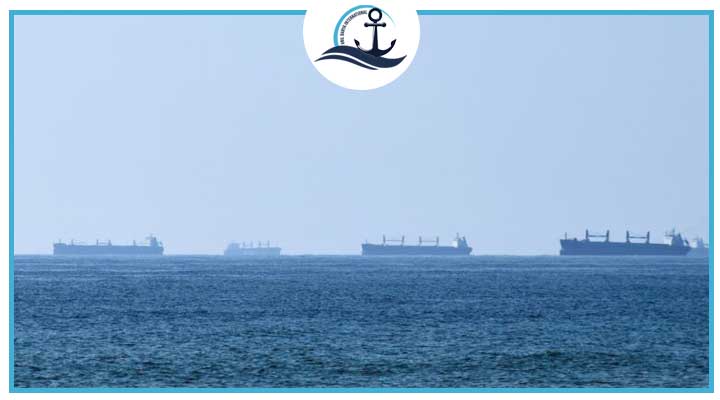
Shipping data published by Clarksons indicates that vessel movements through the Strait of Hormuz have fallen significantly in recent days.
The seven-day moving average for crude oil tankers has dropped to approximately two vessels, compared with around six vessels one week earlier.
Overall shipping activity has followed a similar trend. Clarksons data shows the seven-day average for total vessel transits has declined from roughly 36 vessels last week to about 15 vessels, reflecting the growing caution among ship operators navigating the waterway.
The reduction in traffic suggests that carriers are continuing to assess operational risks as military tensions remain elevated.
Growing Implications for Sea Freight
The Strait of Hormuz is a critical gateway for global energy exports and regional Sea Freight connecting Gulf producers with international markets. Any sustained reduction in vessel movements has the potential to influence tanker deployment, voyage planning and wider shipping schedules.
Although the latest reports focus primarily on energy shipping, prolonged disruption could also affect other cargo segments that depend on stable maritime access through Gulf waters. Shipping companies, freight forwarders and cargo owners are therefore expected to continue monitoring security advisories, naval activity and vessel traffic data as they evaluate operational risks.
The latest decline in Hormuz transits illustrates how quickly geopolitical developments can influence commercial navigation. Until security conditions become clearer, vessel movements through the strait are likely to remain under close observation by the global maritime industry.