
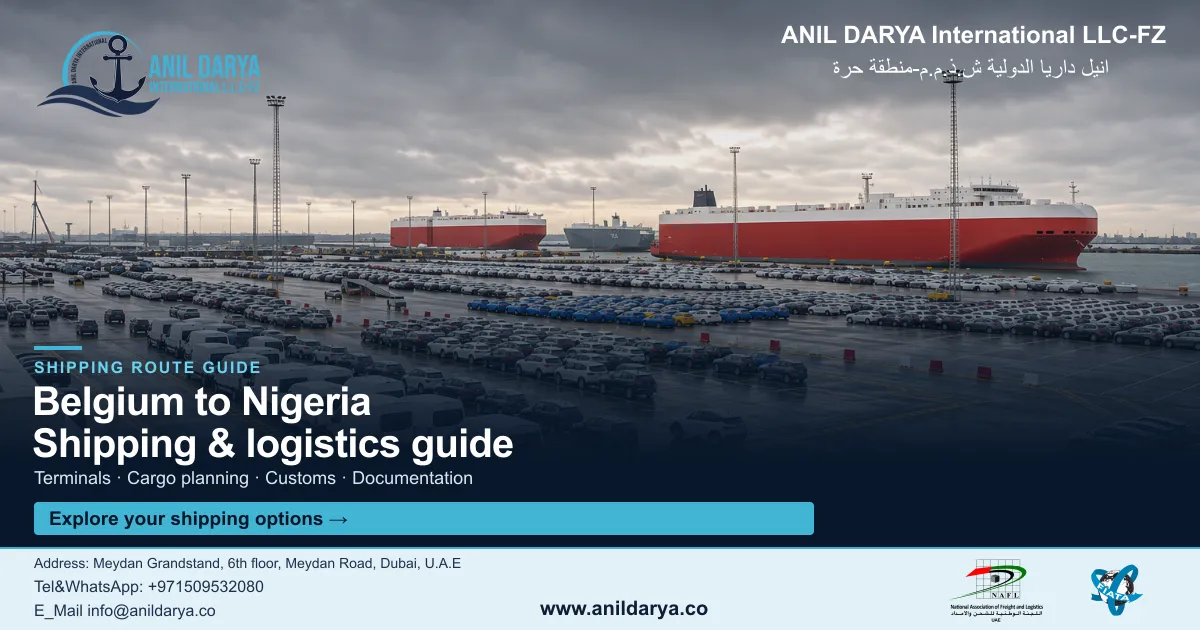
Shipping from Belgium to Nigeria runs mainly from Antwerp and Zeebrugge to the Lagos terminals at Tin Can Island, Apapa and Lekki, with Onne serving the oil and gas east. Containers carry machinery, chemicals and consumer goods, while used cars, vans and trucks often go Ro-Ro. The Belgian seller files an EU export declaration, and the Nigerian buyer needs an approved Form M, SONCAP papers where they apply and a licensed customs agent. Anil Darya books the ocean freight from Dubai and keeps both ends on one timetable.
Belgium to Nigeria shipping at a glance
| Item | Detail |
|---|---|
| Main modes | FCL and LCL containers; Ro-Ro for running vehicles and wheeled or tracked machines; flat rack and breakbulk for heavy pieces |
| Belgian load ports | Antwerp for most containers, chemicals and breakbulk; Zeebrugge for Ro-Ro and vehicles; Ghent for some bulk and steel |
| Nigerian discharge ports | Tin Can Island and Apapa in Lagos, Lekki Deep Sea Port, Onne in Rivers State |
| Sample same-vessel loops | Hapag-Lloyd WWA (Antwerp to Tin Can Island) and CMA CGM KORA EXPRESS (Antwerp to Lekki), as reported in late 2025 and mid 2026 |
| Belgian export filing | EU export declaration lodged electronically in the Automated Export System (AES) by the exporter or its declarant |
| Nigerian pre-import approval | Form M, opened by the importer through its bank before the cargo loads |
| Product conformity | SONCAP for regulated goods, including used automobiles; NAFDAC for food, drugs and cosmetics |
| Duty and VAT | ECOWAS Common External Tariff bands of 0% to 35%, plus 7.5% VAT; vehicles carry a National Automotive Council levy on top |
| Trade agreement | None in force between the EU and Nigeria, so Belgian goods pay the full tariff |
| Bill of lading | The shipping line's own B/L, issued and released to you through us as agent for the line |
| Who clears in Nigeria | The consignee's licensed customs agent, agreed before we confirm the booking |
Who does what on this cross-trade
The goods never enter the UAE. Only the booking, the carrier paperwork and the follow-up run from Dubai.
| Task | Who handles it |
|---|---|
| Picking the line and sailing, booking container or Ro-Ro space | Anil Darya, with the shipping line |
| Collection from the Belgian factory, dealer or warehouse, trucking or barge to the terminal, VGM for containers | The Belgian shipper or its forwarder, working to the cut-offs we send |
| EORI number, export declaration in AES, any export licence | The Belgian exporter or its customs declarant |
| Form M, SONCAP or NAFDAC, Nigerian marine insurance | The Nigerian importer and its bank |
| PAAR, entry on B'Odogwu, duty, VAT, levies and release | The consignee's licensed customs agent in Nigeria |
The title document is the carrier's own bill of lading. We are agent for many shipping lines, so the line issues its B/L from Antwerp or Zeebrugge to the Nigerian terminal, and we check the draft and release it to you from Dubai. The importer's bank in Lagos matches it to the Form M, so for vehicles each chassis number and model year must be right before sailing.
Agree the Incoterm early. The Form M carries a certificate from a Nigerian insurer, so a CIF Lagos sale with a European policy creates a mismatch the bank will query. Many Lagos buyers buy FOB Antwerp and insure at home. Our guide to Incoterms 2020 for sea freight shows where cost and risk move under each term.
Which Belgian port to load from
Antwerp and Zeebrugge have been run as one port, Port of Antwerp-Bruges, since 2022. The platform you use depends on the cargo more than on the address of the seller.
| Platform | What the port reports | Usual Nigeria cargo |
|---|---|---|
| Antwerp | Five of the port's six deepsea container terminals; 13.6 million TEU across the port in 2025; Europe's leading breakbulk port for steel and a large covered breakbulk terminal; a large chemical cluster | Containers of machinery, chemicals, plastics, food ingredients and consumer goods; project cargo; DG |
| Zeebrugge | Described by the port as the largest Ro-Ro hub in Europe; CLdN alone lists four lock-free Ro-Ro berths at Britannia Quay, two at the Albert II dock and a deep-sea Ro-Ro berth at Canada Quay with an automotive terminal | Used cars, vans, trucks, buses and self-propelled machines |
| Ghent | A canal port with bulk, steel and breakbulk quays | Steel products and bulk parcels where a line or charter calls |
The port's 2025 factsheet shows trucks up 3.4% and high and heavy equipment up 6.3%. It also records a 40.8% fall in gasoline throughput, linked to lost exports to West Africa, particularly Nigeria. Vehicles and general cargo now drive this lane more than fuel.
Where Belgian cargo lands in Nigeria
Antwerp and Nigeria have a long working link. After a meeting in Lagos in August 2024, the Nigerian Ports Authority stated that Antwerp handles nearly 17 million tonnes of West African freight a year, a 31% market share, and that Nigeria accounts for more than 6 million tonnes, the largest part. The NPA owns the Nigerian ports and leases the terminals to private operators, so the terminal on your B/L decides free time, handling and the gate you collect from.
| Port | Terminals listed by the NPA | Fit for Belgian cargo |
|---|---|---|
| Tin Can Island, Lagos | TCI Container; PTML, the Ro-Ro and vehicle terminal; Port and Cargo Handling Services; Five Star Logistics; Josepdam Port Services | Used cars and trucks off Ro-Ro ships; containers for Lagos traders |
| Lagos Port Complex (Apapa) | APM Terminals for containers; ENL Consortium for breakbulk, general cargo and containers; bulk terminals | Containers for Lagos, Ogun and the south-west |
| Lekki Deep Sea Port | Lekki Freeport Terminal | Containers on services that call there; the Lagos Free Zone next door |
| Onne, Rivers State | Intels, WACT and Brawal | Oilfield equipment, pipe and project cargo for the south-east |
The NPA places Lekki about 65 km east of Lagos and calls it the deepest seaport in sub-Saharan Africa. At Onne, goods in the Oil and Gas Free Zone pay duty only when they leave the zone for the Nigerian market. Nigerian ports handled 602,392 TEU in the second quarter of 2026.
Sea freight from Belgium to Nigeria: services and transit
Unlike many lanes into Nigeria, this one has same-vessel container loops. Two examples from carrier service notices:
- Hapag-Lloyd WWA. Kuehne+Nagel's carrier update of November 2025 reports that from 22 November 2025 WWA added Tin Can Island and dropped Tema. The rotation it gives is Tangier, Pointe Noire, Luanda, Tin Can Island, Antwerp, Le Havre, Lisbon and back to Tangier. Southbound, an Antwerp box therefore stays on board through Le Havre, Lisbon, Tangier, Pointe Noire and Luanda before Tin Can.
- CMA CGM KORA EXPRESS. Container News reported on 15 July 2026 that this weekly service would call Southampton, Vlissingen, Antwerp, Tanger Med, Algeciras, Tema, Lekki, Cotonou and Dakar, with 4,200 TEU ships and a first sailing from Southampton on 26 August 2026. Antwerp cargo for Nigeria discharges at Lekki after the Tema call.
Route listings also show many transhipment options. The order of calls matters more than the word "direct", and rotations change, so we check the current loop for every booking.
We print no day count. Aggregator figures for Antwerp to Lagos range from under two weeks to over six, and none comes from a carrier schedule we could check against the order of calls. Our quotes carry the line's own dates.
[AMIR-FACT: the carriers we actually book from Antwerp and Zeebrugge to Tin Can, Apapa, Lekki and Onne in 2026 (container and Ro-Ro), whether each is same-vessel or transhipped and where, and the real port-to-port days]
Used cars and vehicles: Ro-Ro or container?
Used vehicles are one of the main reasons people search this lane, and the port's own figures show used car throughput up 37% in 2025. Zeebrugge is the Ro-Ro platform on the Belgian side, and PTML at Tin Can Island is the vehicle terminal the NPA lists on the Nigerian side. Rules at both ends decide whether a car can travel at all.
| Point | Ro-Ro | Container |
|---|---|---|
| Vehicle condition | Must drive on and off, or be towed with the line's agreement | Suits non-runners, classics and damaged units |
| Personal effects or spare parts inside | Many lines restrict loose goods in the car; ask before you pack anything | Allowed if declared, but every item must sit on the Form M |
| Several cars for one buyer | Each unit booked by size | Several cars racked in a 40ft high cube |
| Nigerian terminal | PTML at Tin Can Island | The container terminal named on the B/L |
Belgian and EU side for vehicles
- The car leaves the EU under a normal export declaration in AES, filed by the seller or its declarant, with the chassis number in the goods description.
- The European Commission says the new End-of-Life Vehicles Regulation entered into force on 13 August 2026, applies from 1 September 2028, and brings roadworthiness requirements for used-vehicle exports from September 2031. Buyers of wrecks for parts should watch those dates.
- Keep the sale invoice, registration papers and proof the vehicle runs, so the car is clearly a used vehicle and not scrap.
Nigerian side for vehicles
- Age limit. The US International Trade Administration summary of Nigeria's prohibition list, last published 6 June 2023, lists used motor vehicles above 15 years from the year of manufacture as prohibited. We could not open the Nigeria Customs Service list itself, which was revised under the 2026 Fiscal Policy Measures announced on 29 July 2026.
- Duty and levy. The same agency's tariff page of 5 September 2025 gives 20% duty plus a 15% National Automotive Council levy on used vehicles, and 20% duty plus a 20% levy on new ones.
- Green tax. The 2026 Fiscal Policy Measures add a Green Tax Surcharge on motor vehicles with engines of 2000cc and above.
- SONCAP. SON exempts used products from SONCAP, except automobiles, so ask the agent how SONCAP applies to your vehicle before it sails.
- Tyres. Used and retreaded tyres are on the same list, except used truck tyres of size 11.00 x 20 and above for retreading, so do not pack extra used tyres with a car.
[AMIR-FACT: confirm against the Nigeria Customs Service 2026 import prohibition list and tariff that the 15-year age limit, the 20% duty and the NAC levy rates still apply to used vehicles shipped from Belgium, and note the date checked]
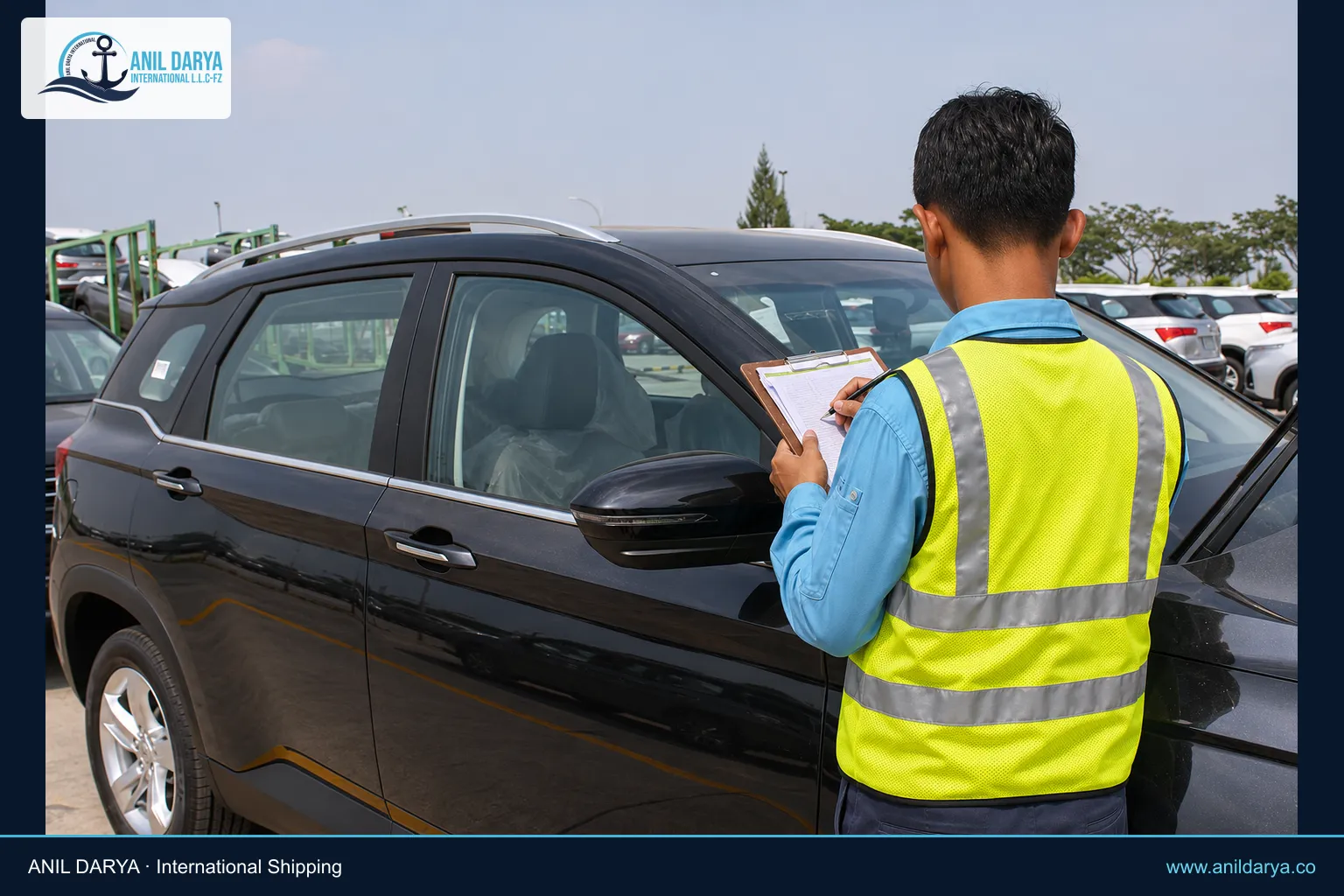
Container shipping Belgium to Nigeria: FCL, LCL and reefer
Each import needs its own Form M, PAAR and entry, so fewer, fuller boxes cost less per unit.
| Option | Typical Belgian goods | Nigerian point to check |
|---|---|---|
| 20ft FCL | Machine parts, drummed chemicals, bagged ingredients | Truck weight limits leaving the Lagos terminals |
| 40ft or 40ft high cube FCL | Consumer goods, furniture, spare parts, several used cars | Every line on the packing list must match the Form M |
| LCL from an Antwerp groupage service | Samples, spares, small trial orders | Each consignee still needs its own Form M and entry |
| Reefer | Dairy, food ingredients, temperature-controlled goods | NAFDAC approval first; frozen poultry, pork and beef are prohibited |
Belgian food exporters often ask about meat, so the reefer row needs care. Nigeria prohibits live or dead birds including frozen poultry, as well as pork and beef, and no permit changes that. Our FCL vs LCL guide shows the point where a full box becomes cheaper per unit, and our sea freight desk checks the line's reefer acceptance for the Nigerian terminal.
Machinery, project cargo and chemicals
Pumps, generators, compressors and process equipment go to Nigerian operators and factories, often via Onne. Pieces that fit a 40ft flat rack or open top use the container service; wheeled or tracked units can go Ro-Ro; the heaviest lifts need breakbulk space. Our page on flat rack, open top and out-of-gauge cargo sets out the limits of each option, and our break bulk and project cargo team plans stowage and lashing with the line.
Antwerp's chemical cluster makes dangerous goods a regular part of this lane. The IMDG Code 2024 edition (Amendment 42-24) became mandatory on 1 January 2026. The Belgian shipper supplies the UN number, class, packing group, Safety Data Sheet and signed DG declaration, and the port must be told of the goods at least 24 hours in advance through the Harbour Master's Office. Every call on the loop must accept the class, so our dangerous goods desk checks the whole rotation before we hold space.
The Belgian export side: EORI and AES
Export formalities in Belgium belong to the seller or its declarant. We send them the booking, cut-offs and draft B/L; we do not file in Belgium.
- EORI. Every EU exporter needs one, issued where the business is established.
- Export declaration. The European Commission states it must be submitted electronically through AES, at the customs office where the exporter is established or where the goods are packed or loaded.
- Office of exit. At Antwerp or Zeebrugge, customs supervises the goods leaving the EU.
- Export licences. Dual-use items, including some chemicals and industrial equipment, need an authorisation under Regulation (EU) 2021/821.
Put the Form M number on the invoice so it matches the AES declaration and the B/L.
Form M: Nigeria's approval before loading in Antwerp
Per the NPA import guidelines, the importer needs a Nigerian company, a Tax Identification Number and an Authorised Dealer Bank. Then:
- it gets a SONCAP Product Certificate where the goods are regulated, because SON requires it to open the Form M;
- it opens the Form M through its bank on the Nigeria Single Window, attaching the Belgian proforma invoice, a Nigerian insurance certificate and the Product Certificate;
- the bank validates it and Nigeria Customs accepts it;
- the approved number goes to the Belgian seller for the invoice and to us for the B/L.
We do not release a booking for loading until the Form M is approved. Without one, the agent cannot raise a PAAR in Lagos and the cargo waits at the terminal.
SONCAP and NAFDAC for European goods
SONCAP is the Standards Organisation of Nigeria's pre-shipment conformity programme. A PC1 Product Certificate covers one shipment of an unregistered product; PC2 and PC3 cover registered or licensed products for one year. After shipment, SON issues the SONCAP Certificate the customs agent needs.
SON lists accredited firms such as Cotecna, Intertek and TUV Austria, with no territory assigned to any of them. SONCAP does not cover food, drugs, medical items other than equipment, chemicals used as raw material by genuine manufacturers, or used products other than automobiles.
Food, drugs, cosmetics and many chemicals go through NAFDAC, whose registration must be held by a Nigerian company or the maker's local agent.
[AMIR-FACT: the usual time we see from SONCAP inspection booking to certificate for Belgian-origin cargo and used cars, and which accredited firms our Belgian shippers use]
Customs clearance in Nigeria on B'Odogwu
We do not clear goods in Nigeria. Before confirming a booking, we check that the consignee's licensed agent has seen the draft invoice, packing list and B/L.
Nigeria Customs Service runs imports on B'Odogwu. The PAAR is generated there from the registered Form M, and the agent files the declaration against it.
| Document | Issued by | What the Nigerian agent checks |
|---|---|---|
| Commercial invoice and packing list | Belgian seller | Form M number, HS code, values, weights |
| Carrier bill of lading | Shipping line, released to you through us | Consignee, notify party, Form M number, terminal, chassis numbers for vehicles |
| Certificate of origin | Belgian chamber of commerce | Matches the invoice; no preference claimed |
| SONCAP Certificate or NAFDAC approval | SON, or the importer for NAFDAC | Covers these goods on this shipment |
| Insurance certificate | Insurer registered in Nigeria | Matches the Form M |
| Vehicle registration papers and sale invoice | Belgian seller | Model year inside the age limit, chassis number matches the B/L |
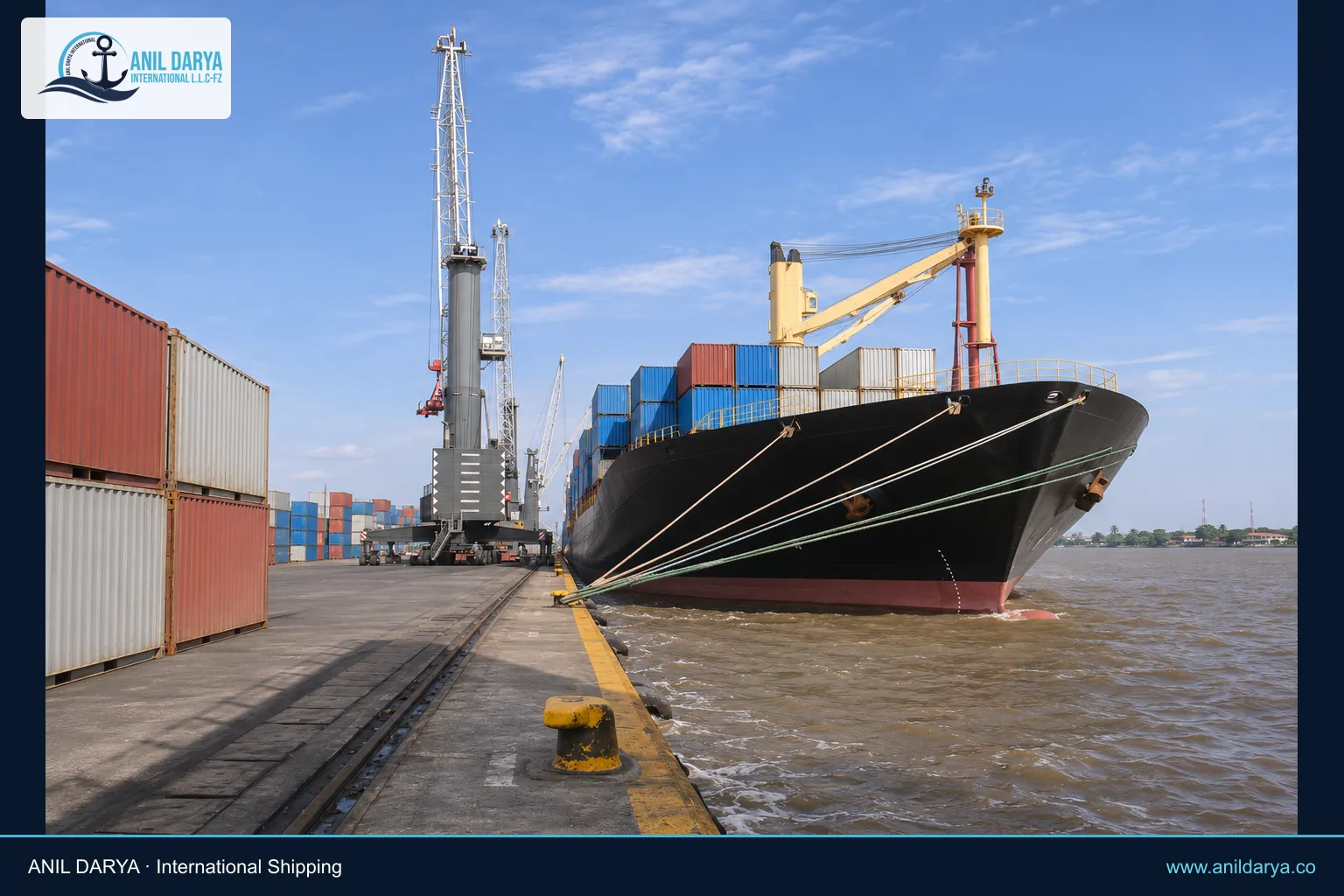
Duty, VAT and the EU-West Africa agreement
The EU concluded an Economic Partnership Agreement with 16 West African states, but the European Commission says it has not entered into force because signature and ratification are incomplete. Only Ghana and Cote d'Ivoire apply interim EPAs, provisionally since 15 December 2016. Nigeria has none, so Belgian goods pay the full ECOWAS Common External Tariff, mostly on the CIF value. ECOWAS and AfCFTA preferences need West African or African origin, which European goods do not have.
| Charge | Rate | Belgian goods often here |
|---|---|---|
| CET band 0 | 0% | Essential social goods |
| CET band 1 | 5% | Raw materials, capital goods, many machines |
| CET band 2 | 10% | Intermediate inputs, some chemicals |
| CET band 3 | 20% | Finished consumer goods |
| CET band 4 | 35% | Goods protected for economic development |
| Vehicles | 20% duty plus NAC levy of 15% (used) or 20% (new) | Cars, vans, SUVs |
| VAT | 7.5% | On top of duty and levies |
The 2026 Fiscal Policy Measures bring a revised Import Adjustment Tax list, a revised trade prohibition list and the vehicle green tax. The 4% FOB charge from the Customs Service Act 2023 has been suspended since February 2025. Duty and taxes at destination are paid by the consignee or its broker, so ask the agent for an estimate on the exact HS code before the Form M is opened. Because no preference is in play, holding or splitting Belgian goods in Dubai does not cost any tariff benefit in Nigeria.
Prohibited and restricted goods to check first
Besides the vehicle age limit, tyre rule and meat ban above, the US International Trade Administration summary of 6 June 2023 and the 2026 changes list:
- Second-hand clothing, which is absolutely prohibited, so Belgian textile collectors cannot ship to Nigeria.
- Refined vegetable oils and fats, and soaps and detergents in retail packs.
- From 1 April 2026 the revised trade prohibition list covers 17 categories of goods from outside ECOWAS, with a 90-day window for transactions backed by a valid Form M.
Can routing through Dubai help shipping from Belgium to Nigeria?
For a straight Belgian order, no: Dubai is off the path from the North Sea to the Gulf of Guinea. It helps only in narrow cases.
| Option | How it works | What to watch |
|---|---|---|
| Direct from Belgium | Container or vehicle sails from Antwerp or Zeebrugge to the Nigerian terminal on the line's B/L | The default for almost all cargo |
| Jafza stock and re-export | European spares held in the Jebel Ali Free Zone and shipped to Nigeria with Gulf or Asian goods | Dubai Chambers issues certificates of origin for re-exports; Form M and SONCAP still apply |
Where goods land, wait or are re-exported in Dubai, we clear them through UAE customs for a fee. Our Jebel Ali port guide and our note on re-exporting through Jafza explain how that works.
[AMIR-FACT: whether any of our Belgium to Nigeria customers route part of an order through Dubai (Jafza stock or consolidation with Gulf or Asian cargo), for which goods, and the extra days against a direct sailing]
Typical cargo on this lane
| Cargo | Usual equipment | Papers to plan |
|---|---|---|
| Used cars, vans and SUVs | Ro-Ro from Zeebrugge or Antwerp, or 40ft high cube for several units | Registration papers, AES declaration, age check, SONCAP, NAC levy |
| Trucks, tractors and construction machines | Ro-Ro or flat rack | Sale invoice, SONCAP, dimensions |
| Process equipment and spares for oil, gas and factories | FCL, flat rack, breakbulk; often to Onne | SONCAP or manufacturer's exemption, OGFZA paperwork if held in the zone |
| Chemicals and plastics from the Antwerp cluster | FCL, ISO tanks, DG boxes | DG declaration, SDS, NAFDAC for regulated chemicals |
How shipping from Belgium to Nigeria works, step by step
Steps 1 to 4 happen before anything moves.
- Send us the cargo, HS code, weights and sizes (or chassis numbers and model years for vehicles), the Belgian pickup point, the Nigerian port and the Incoterm.
- The Nigerian agent checks the HS code and vehicle age against the prohibition lists and confirms SONCAP or NAFDAC needs.
- The importer gets its Product Certificate or NAFDAC approval, buys Nigerian insurance and opens the Form M.
- We confirm the Nigerian agent has accepted the clearance, then confirm container or Ro-Ro space to Tin Can, Apapa, Lekki or Onne.
- The Belgian shipper delivers to the terminal, and its declarant files the export declaration in AES.
- The accredited firm inspects where SONCAP applies, and the seller prints the Form M number on the invoice.
- The line issues its B/L with the Form M number and chassis numbers, and we release it to you from Dubai.
- While the ship is at sea, the importer collects the SONCAP Certificate and the agent raises the PAAR on B'Odogwu.
- On arrival the agent files the entry, the consignee pays duty, levies and VAT, and the cargo is released.
[AMIR-FACT: one real Belgium to Nigeria cross-trade shipment we booked (cargo or vehicles, Belgian load port, Nigerian terminal, carrier, days at sea, and what we coordinated with the Belgian declarant and the Lagos agent), cleared for publication]
What drives the cost of shipping from Belgium to Nigeria?
We price each shipment on the day. The Nigerian Shippers' Council publishes quarterly indicative rates for its Europe and Middle East route as a planning guide, which shippers then negotiate with the lines.
| Cost part | What moves it | Usually paid by |
|---|---|---|
| Belgian inland and terminal charges | Distance to port, truck or barge, declarant fee | Seller on FOB, buyer on EXW |
| Ocean freight | Box type or vehicle size, season, loop, surcharges | Set by the Incoterm |
| Nigerian terminal and line charges | Terminal, box size, vehicle size | Consignee |
| Duty, levies and VAT | HS code, CIF value, naira rate on the day | Consignee or its broker |
| Storage, demurrage and detention | Late Form M, missing SONCAP, slow clearance | Whoever caused the delay |
Our article on demurrage and detention shows how daily charges build up at a terminal, and our Dubai freight forwarding team will take you through any quote line by line.
Checklist before the cargo leaves Antwerp or Zeebrugge
- HS code and, for vehicles, model year checked against Nigeria's prohibition lists, including the 2026 trade list.
- Form M approved, with its number on the invoice and the draft B/L.
- SONCAP Product Certificate and inspection booked, or NAFDAC approval in hand.
- Marine insurance with a Nigerian insurer, matching the Form M.
- AES export declaration filed; dual-use and DG papers checked.
- Nigerian customs agent named and clearance accepted before booking.
Mistakes that leave Belgian cargo stuck in Lagos
- Shipping before destination clearance is agreed. With no Nigerian agent signed up, the car or box sits at the terminal while storage builds.
- Loading without an approved Form M. No Form M means no PAAR and no release.
- Buying a car over 15 years old, or packing used tyres or clothes inside it.
- Selling CIF with a European policy when the Form M needs a Nigerian one.
Frequently asked questions
How long does sea freight from Belgium to Nigeria take?
It depends on the loop and where Nigeria sits in it. Some services carry Antwerp cargo to Tin Can or Lekki on the same ship, others tranship. We send the line's own dates for each sailing rather than a general figure.
Is there a direct ship from Antwerp to Lagos?
Yes, on some loops. Hapag-Lloyd's WWA calls Antwerp and Tin Can Island, and CMA CGM's KORA EXPRESS calls Antwerp and Lekki, according to service notices from November 2025 and July 2026. Rotations change, so check the current one.
Can I ship a used car from Belgium to Nigeria?
Yes, if it is no more than 15 years past its year of manufacture under the prohibition list as summarised in 2023. Confirm the current list with your Nigerian agent. The car pays 20% duty plus the National Automotive Council levy and 7.5% VAT, and SONCAP can apply to automobiles.
Do I need a Form M to ship from Belgium to Nigeria?
Yes. Every commercial import into Nigeria needs one, opened by the buyer's bank on the Nigeria Single Window. Get it approved before the car or container is loaded in Belgium, then put its number on the invoice and the B/L.
Does the EU have a trade agreement with Nigeria?
No agreement is in force. The EU-West Africa Economic Partnership Agreement has not entered into force, and Nigeria has no interim agreement, so Belgian goods pay the full ECOWAS tariff plus 7.5% VAT.
Does Anil Darya clear customs in Nigeria?
No. The consignee's licensed customs agent files the entry on B'Odogwu. Duty and taxes at destination are paid by the consignee or its broker, and we agree the clearance plan with that agent before the booking is confirmed.
Get a quote for shipping from Belgium to Nigeria
Send the cargo or vehicle details, the Belgian pickup point, the Nigerian port and the ready date, and we will come back with a routing and a price. Use our freight rate inquiry form, or contact our team to plan a Ro-Ro, project or DG shipment first.
Sources
- Port of Antwerp-Bruges: Factsheet throughput figures 2025
- Port of Antwerp-Bruges: Deepsea terminals
- Port of Antwerp-Bruges: Breakbulk and Ro-Ro
- Port of Antwerp-Bruges: Notification of dangerous goods
- CLdN: Terminals at Zeebrugge
- Nairametrics: Nigeria tops Antwerp's West African freight (28 August 2024, NPA statement)
- Kuehne+Nagel: Carrier service update, 12 to 25 November 2025 (Hapag-Lloyd WWA)
- Container News: CMA CGM launches KORA EXPRESS (15 July 2026)
- Fluent Cargo: Antwerp to Lagos route listing (routing types only)
- Nigerian Ports Authority: Terminals and operators
- Nigerian Ports Authority: Import and export guidelines
- Nigerian Ports Authority: Lekki Deep Sea Port
- Nigerian Ports Authority: Q2 2026 cargo throughput
- Oil and Gas Free Zones Authority: Incentives
- Nigeria Customs Service: 2026 Fiscal Policy Measures (29 July 2026)
- Standards Organisation of Nigeria: SONCAP services and accredited firms
- Legal 500: Registration of imported products with NAFDAC
- Federal Ministry of Information: Form M and PAAR on B'Odogwu
- Federal Ministry of Information: 4% FOB charge suspended
- SCP Law: Nigeria's 2026 import restrictions
- US International Trade Administration: Nigeria prohibited and restricted imports (6 June 2023)
- US International Trade Administration: Nigeria import tariffs (5 September 2025)
- ECOWAS: Common External Tariff bands
- PwC Worldwide Tax Summaries: Nigeria VAT
- Nigerian Shippers' Council: Indicative freight rates, April to June 2026
- European Commission: EU trade relations with West Africa
- European Commission: Exportation, AES and the customs office of exit
- Your Europe: Customs procedures on exports (EORI, export declaration)
- European Commission: Exporting dual-use items (Regulation (EU) 2021/821)
- European Commission: End-of-life vehicles regulation timeline
- IMO: IMDG Code 2024 edition
- Dubai Chambers: Certificate of origin for re-exported goods
- Jafza: About the Jebel Ali Free Zone
Reviewed: 11 November 2026