|
Getting your Trinity Audio player ready...
|
Kharg Terminal Activity Resumes as Iran Tanker Traffic Shifts
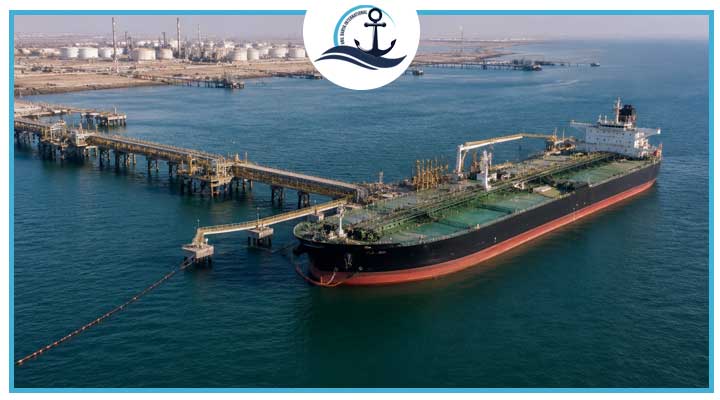
Iranian tanker activity is showing signs of renewed movement, with the western terminal at Kharg Island returning to operation while a growing concentration of tankers has been observed around North Larak. At the same time, maritime activity linked to Iran is evolving across the Caspian Sea, where increased shipping connections with Russia are creating new operational and security considerations.
The developments come as regional shipping continues to face elevated risks from geopolitical tensions, drone activity and disruption affecting vessels operating across several strategically important waterways.
Kharg Island Terminal Returns to Operation
One of the most significant developments highlighted in the report is the resumption of activity at the western terminal of Kharg Island, a strategically important location for Iranian crude exports.
The return of terminal activity is particularly notable against the backdrop of recent disruption affecting regional energy flows and tanker movements.
Changes in loading activity at Kharg can have wider implications for tanker deployment and vessel positioning in surrounding waters, particularly as operators adjust to changing security and operational conditions.
Tanker Concentration Builds Around North Larak
The report also points to a growing concentration of tankers around North Larak.
Larak Island is positioned close to the Strait of Hormuz, placing tanker movements in the area within one of the world's most strategically sensitive maritime corridors.
The increase in vessel concentration provides another indication of changing tanker patterns in the region as ships respond to developments affecting loading programmes, navigation and regional security.
For shipping operators, concentrations of vessels in relatively limited areas can become an important factor when assessing voyage planning and operational exposure.
Russia-Iran Caspian Shipping Links Expand
Developments are not limited to the Persian Gulf.
The report also highlights an expansion in Caspian shipping activity between Russia and Iran, adding another dimension to changing regional maritime trade patterns.
The Caspian has become increasingly relevant to cargo movements between the two countries. Growing maritime activity along this corridor means developments affecting Caspian shipping are becoming more significant for operators involved in regional trade.
However, greater utilisation of the route also comes as security risks affecting commercial shipping have become more geographically dispersed.
Drone Risks Add Pressure to Commercial Shipping
Drone activity represents another important risk identified in the report.
The expanding reach of unmanned systems has changed the security environment facing commercial vessels, extending potential exposure beyond conventional maritime conflict zones.
For shipowners and operators, this creates additional uncertainty when assessing routes, vessel deployment and exposure to high-risk waters.
Recent developments demonstrate that commercial shipping can be affected even in areas previously regarded as comparatively insulated from direct military activity.
Caroline Bezengi Remains a Maritime Concern
The report also addresses the situation involving the CAROLINE BEZENGI, adding to concerns surrounding vessels operating in already challenging regional conditions.
The tanker has previously attracted attention following its grounding off Oman, with its condition creating both maritime safety and environmental concerns.
Its inclusion alongside the wider regional developments illustrates how individual vessel casualties can add another layer of operational complexity when shipping routes are already being affected by security and geopolitical pressures.
Regional Shipping Conditions Remain Complex
Taken together, the developments around Kharg Island, North Larak, the Caspian Sea and individual tanker incidents point to a maritime environment undergoing significant operational change.
The return of activity at Kharg could support renewed tanker movements, while vessel concentrations near Larak and changing Caspian trade patterns demonstrate how shipping activity is adjusting across different regional corridors.
At the same time, drone risks and individual vessel casualties remain important considerations for shipowners, charterers and other maritime stakeholders navigating an increasingly complex operating environment.