|
Getting your Trinity Audio player ready...
|
Strait of Hormuz Disruption Reshapes Global Energy Trade
Disruptions in the Strait of Hormuz have significantly reduced exports of energy, fertilisers and industrial commodities, highlighting the vulnerability of global trade to one of the world's most critical maritime chokepoints.
According to new analysis published by the International Trade Centre (ITC), merchandise exports from Hormuz-dependent economies declined sharply following the escalation of regional conflict, while importers around the world struggled to replace lost supplies.
Hormuz Remains a Critical Global Trade Route
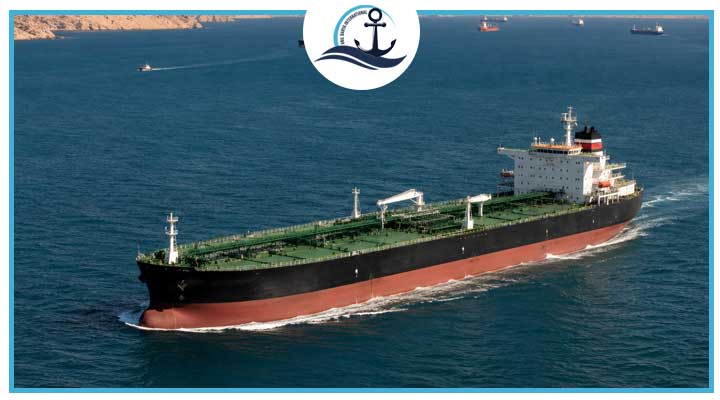
The Strait of Hormuz carries around one-quarter of global seaborne crude oil trade and handles a significant share of international shipments of liquefied natural gas (LNG), fertilisers and petrochemical products.
Countries examined in the ITC analysis include Bahrain, Iran, Iraq, Kuwait, Qatar, Saudi Arabia and the United Arab Emirates, all of which rely heavily on the waterway for exports.
Since military tensions escalated in late February, reduced vessel movements, higher insurance premiums and increased transport costs have disrupted trade far beyond the Middle East.
Although shipping activity has partially recovered during periods of reduced hostilities, cargo flows remain well below normal levels.
Energy and Fertiliser Exports Recorded Sharp Declines
The ITC analysed 12 strategically important energy, fertiliser and industrial products exported by Hormuz-dependent economies.
Combined merchandise exports across these products declined by 21% in value during April. When measured by physical volumes, exports dropped by 54% compared with April 2025.
Liquefied natural gas experienced the sharpest decline, with export volumes falling by 95%.
Urea exports decreased by 83%, followed by methanol at 80% and ammonia at 75%.
Among industrial products, polypropylene experienced the smallest decline, although export volumes still fell by 24%.
The largest volume reductions were recorded in crude oil exports, which declined by 28 million tonnes, followed by refined petroleum products with a reduction of 7.3 million tonnes and liquefied natural gas with losses of 5.5 million tonnes.
The report notes that the disruption extended well beyond energy markets, affecting fertilisers, chemicals, plastics and aluminium supply chains.
Importers Turned to Alternative Suppliers
The impact on importing countries varied depending on their dependence on suppliers located around the Strait of Hormuz.
Japan, which has historically sourced 91% of its crude oil imports from Hormuz-dependent exporters, recorded a 64% decline in total crude imports during April.
Other heavily exposed markets, including South Korea and Malaysia, experienced similar disruptions.
Thailand, however, increased crude imports by 62% as refiners secured additional cargoes from alternative suppliers to maintain domestic fuel supplies.
Although exporters outside the Gulf increased shipments for 10 of the 12 products covered by the study, these additional supplies fully compensated for lost Gulf exports only in ammonia and polypropylene.
According to the ITC, many importing countries also relied on strategic reserves, inventories, higher domestic production or reduced consumption to manage supply shortages.
Shipping and Supply Chains Face Continued Pressure
The findings demonstrate how disruptions in a single maritime corridor can quickly affect global supply chains across multiple industries.
Beyond reduced cargo movements, higher freight costs, longer transit times and elevated marine insurance premiums have increased logistics costs for energy, petrochemical and industrial cargoes.
The report also highlights that governments introduced a range of emergency trade measures aimed at securing adequate supplies of crude oil and refined petroleum products during the disruption.
A Reminder of Hormuz's Global Importance
The ITC concludes that the Strait of Hormuz remains one of the world's most strategically important shipping corridors.
While alternative suppliers have helped reduce some of the pressure, the data show that trade diversion alone has not been sufficient to replace lost export volumes across many critical commodities.
The disruption underscores the continued importance of secure maritime routes for global energy markets, industrial production and international supply chains.