|
Getting your Trinity Audio player ready...
|
Dorian LPG Reports Record Quarterly Profit as VLGC Market Strengthens
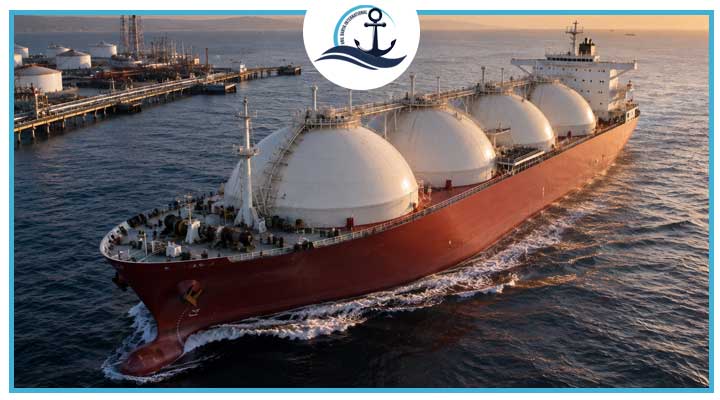
Dorian LPG reported record financial results for the first quarter of fiscal year 2027, benefiting from exceptionally strong Very Large Gas Carrier (VLGC) freight rates driven by geopolitical disruption and changing global LPG trade flows.
The company generated US$187.9 million in revenue during the three months ended 30 June 2026, while net income reached US$138.3 million, reflecting a sharp improvement in earnings as freight markets remained exceptionally firm. The company attributed the strong performance to increased transportation demand and continued volatility in global energy shipping markets.
Record Earnings Supported by Higher Freight Rates
Dorian LPG's first-quarter revenue increased from US$84.2 million a year earlier to US$187.9 million, while net income rose from US$10.1 million to US$138.3 million. Adjusted EBITDA reached US$165.4 million, highlighting the strength of the operating environment.
Fleet earnings also improved significantly.
The company's average Time Charter Equivalent (TCE) rate climbed to US$75,926 per available day, representing a 91.1% increase compared with the same period of the previous year. Higher spot freight rates, increased vessel availability and stronger transportation demand all contributed to the improved performance.
Fleet Expansion and Asset Optimisation Continue
Alongside its financial performance, Dorian LPG continued reshaping its fleet portfolio.
During the quarter, the company completed the sale of the 2015-built VLGC Cobra, while additional vessel sales involving Corsair and Constellation were completed during July 2026. It also prepaid outstanding debt linked to several financing facilities, strengthening its balance sheet.
Looking ahead, Dorian placed an order for one dual-fuel Panamax VLGC at HD Hyundai Heavy Industries, with delivery scheduled for the third quarter of 2029. The investment supports the company's long-term fleet renewal strategy while preparing for future environmental and efficiency requirements.
Middle East Disruptions Reshaped the LPG Market
The company said geopolitical developments dominated LPG shipping markets throughout the second quarter of calendar year 2026.
The effective disruption of normal shipping through the Strait of Hormuz created significant changes across global LPG trade, increasing voyage distances, tightening vessel availability and pushing freight rates sharply higher.
Although crude oil prices rose substantially during the period, LPG prices weakened in several markets, particularly in Asia, reflecting changing regional supply patterns and reduced Middle East exports.
US Exports Offset Lost Middle East Supply
One of the most significant market developments during the quarter was the growing role of the United States in balancing global LPG supply.
Robust natural gas liquids production and expanded export infrastructure supported record US LPG exports, which increased from approximately 18 million metric tonnes during the first quarter to more than 21 million metric tonnes during the second quarter. Monthly exports reached a record 7.3 million metric tonnes in May.
These additional cargoes helped compensate for reduced Middle East shipments while increasing tonne-mile demand as cargoes travelled longer distances to Asian buyers.
Chinese Imports Remained Below Previous Levels
Despite improving petrochemical margins, Chinese LPG imports remained subdued during much of the quarter.
Imports fell to 1.6 million metric tonnes in April before gradually recovering to 2.3 million metric tonnes by the end of the quarter.
Even with that recovery, total second-quarter imports reached 7.3 million metric tonnes, compared with 9.3 million metric tonnes during the same period of 2025. The report links the decline primarily to the interruption of regular Middle East exports following the regional conflict.
VLGC Freight Market Remains Strong
Freight conditions strengthened considerably during the quarter.
The Baltic Exchange VLGC Index averaged approximately US$190 per metric tonne, almost double the US$95 per metric tonne recorded during the previous quarter. According to the company, the increase reflected vessel rerouting, longer voyage distances, reduced prompt vessel availability and stronger US–Asia trade.
Higher bunker prices, elevated war risk insurance premiums, Panama Canal congestion and operational caution among shipowners also contributed to tighter vessel supply and firmer freight rates.
Market Outlook Remains Closely Linked to Geopolitics
Dorian LPG expects geopolitical developments to remain a major influence on the LPG shipping market.
While the global VLGC fleet continues to expand with new vessel deliveries, the company believes vessel supply and freight performance will continue to depend heavily on trade flows, export volumes and developments across key shipping routes.
The company cautioned that future market conditions remain subject to uncertainty as geopolitical developments continue to reshape global LPG transportation patterns and freight markets.