|
Getting your Trinity Audio player ready...
|
Iran Warns of Wider Energy Export Disruption as Hormuz Tensions Escalate
The United States has reinstated a naval blockade on Iran and intensified air strikes after renewed attacks on vessels attempting to transit the Strait of Hormuz, marking another sharp escalation in regional tensions. Iranian officials said the latest strikes targeted a military barracks, leaving at least seven troops dead and more than 260 people injured.
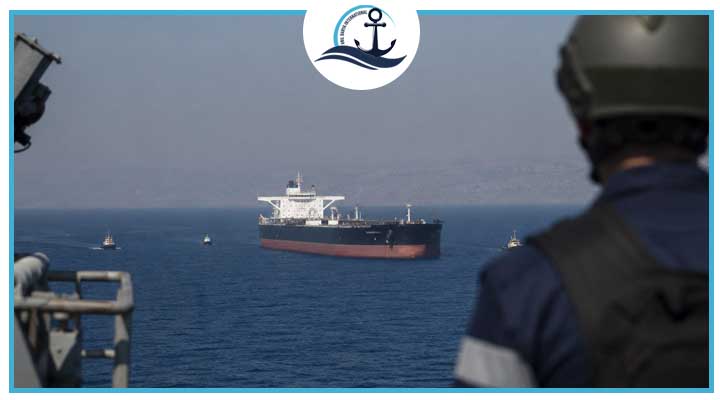
The renewed confrontation has raised fresh concerns over the security of one of the world's most strategically important maritime corridors, with potential implications for global energy flows and international shipping.
Strait of Hormuz Returns to the Centre of the Crisis
The latest developments come after weeks of increasing military activity around the Strait of Hormuz. An interim agreement that temporarily reduced hostilities has effectively collapsed following renewed exchanges between the United States and Iran.
Washington had introduced a naval blockade earlier this year before suspending it under a temporary arrangement aimed at creating space for negotiations over Iran's nuclear programme and wider regional issues. Those talks have since stalled as security conditions around the waterway deteriorated.
The Strait of Hormuz remains a critical route for international energy exports, connecting Gulf producers with customers across Asia, Europe and other global markets. Any disruption to shipping through the strait can quickly affect supply chains beyond the Middle East.
Iran Issues Fresh Warning on Regional Energy Exports
Iran's Revolutionary Guard warned that continued pressure on the country could have broader consequences for regional energy exports.
In a statement, the organisation said that oil and gas exports from the Middle East would either continue for all countries or for none, signalling that energy shipments could become part of the wider confrontation.
The warning follows months of heightened uncertainty surrounding commercial navigation in the Gulf, where shipping operators have already faced increased security risks and operational challenges.
Implications for Sea Freight and Global Trade
The Strait of Hormuz is one of the busiest maritime passages for crude oil, refined products and liquefied natural gas. Any renewed restrictions on vessel movements could affect tanker operations while also influencing broader Sea Freight networks linked to Gulf ports.
Although the immediate focus remains on energy cargoes, prolonged disruption could also impact container shipping, project cargo movements and regional logistics services that depend on stable maritime access through the Gulf.
Shipping companies and freight forwarders are likely to continue monitoring security advisories, vessel routing decisions and developments affecting commercial navigation in the area.
Regional Conflict Adds Pressure to Supply Chains
The latest military exchanges highlight the fragile security environment surrounding one of the world's most important shipping lanes. Previous periods of disruption in the Strait of Hormuz have demonstrated how quickly geopolitical tensions can influence freight costs, insurance requirements and voyage planning for international carriers.
For cargo owners and logistics operators, the situation reinforces the importance of closely tracking operational updates from shipping lines, port authorities and maritime security agencies as conditions continue to evolve.
Outlook Remains Dependent on Security Developments
The renewed escalation has increased uncertainty across Gulf shipping routes at a time when international trade continues to rely heavily on uninterrupted maritime transport through the region. While commercial shipping remains focused on maintaining operations where possible, future developments will depend on changes in the regional security environment and any further actions affecting navigation through the Strait of Hormuz.