
EPC project logistics: what to agree with your forwarder early
What an EPC contractor should settle with its freight forwarder before equipment is ordered: plan, heavy lift list, surveys, Incoterms, insurance, documents.
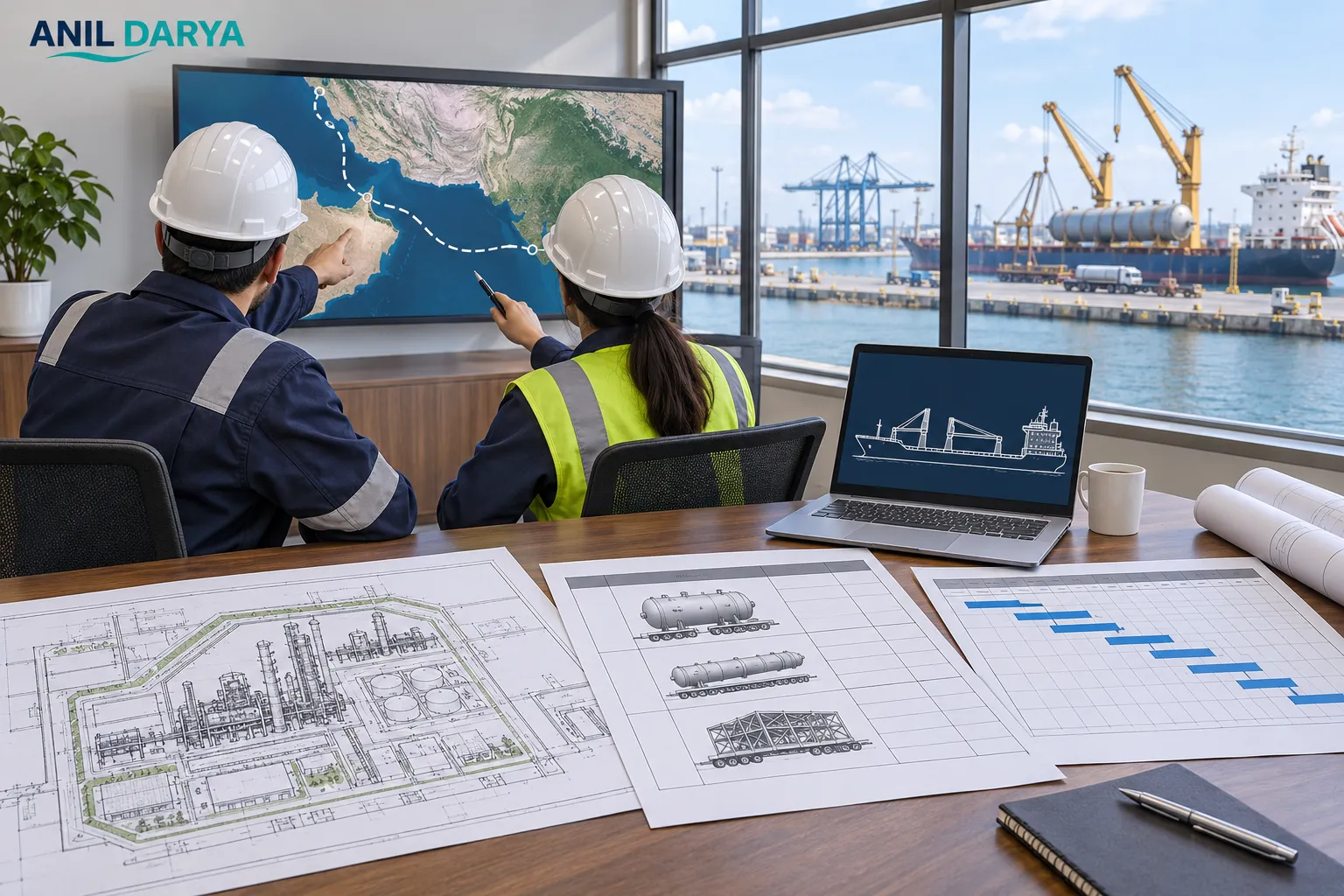
EPC project logistics goes wrong in a predictable way. Engineering finishes the design, procurement places the orders, and only then does someone ask how the biggest pieces will reach site. By that point the Incoterms are signed, the fabricator has welded the saddles, and the ready dates are fixed. This article lists what an engineering, procurement and construction (EPC) contractor should agree with its freight forwarder before purchase orders go out. It covers the logistics plan, the heavy lift list, route surveys, Incoterms, insurance, documents, the schedule and cross-trade.
The step-by-step flow of a single project cargo shipment, from enquiry to delivery, is already in our article on the project cargo logistics process. This page is about the earlier, contractual decisions that make that flow work.
What EPC project logistics covers, and why the forwarder comes in early
A SIPMM paper on EPC logistics defines construction logistics as the planning, execution and control of procurement, transport and the stationing of workers and material. On an oil, gas or refinery project that means hundreds of purchase orders, dozens of fabricators in several countries, and a handful of pieces so heavy or long that they shape the whole plan.
Miroslav Jakab, Fluor's logistics fellow, opened his 2024 series on EPC project logistics for HeavyLift PFI with the influence and expenditure curve of a project. The idea is familiar to any project manager. Early in the life cycle, decisions are cheap to change and have the most effect, and later every change costs more. Logistics follows the same curve. A saddle drawing or an Incoterm costs nothing to change at the bid stage and a great deal to change once the ship is booked.
Bringing the forwarder in at the bid or early procurement stage is the practical answer. It does not mean booking ships a year ahead. It means agreeing the points below while they can still be changed.
The EPC project logistics plan
The logistics plan is the document that ties procurement to the site schedule. It does not need to be long. For a process plant it usually answers these questions:
- Which purchase orders are break bulk, which are containers, and which are heavy lifts that need their own vessel planning.
- Which load ports serve each fabricator, and which discharge port serves the site.
- Who books ocean freight for each order, the supplier or the EPC contractor, and under which Incoterm.
- Where cargo is consolidated and stored, and how long each piece can wait before it is needed on site.
- Who prepares lift plans and lashing calculations, and who approves them.
- Which documents each supplier must send, in what format and by when.
EY's 2025 paper on EPC logistics argues for deciding container or break bulk by cargo characteristics, cost, transit time and port infrastructure, and for hybrid shipping where it fits. That decision belongs in the plan, order by order, not left to each supplier.
The heavy lift list and route surveys
Every EPC project should have a heavy lift list from early engineering: each piece over an agreed weight or size limit, with dimensions, weight, centre of gravity, the supplier and the required on-site date. On a refinery job it will include reactors, columns, large drums, compressor and turbine packages, transformers and any modules.
The heavy lift list drives three things.
First, vessel choice. The heaviest piece decides whether a liner sailing works or a heavy lift ship has to be fixed, which we compare in break bulk liner vs charter.
Second, port choice. Each piece is checked against quay bearing capacity, crane capacity and draft at the discharge port. A port that is closer to site is no help if it cannot take the heaviest lift.
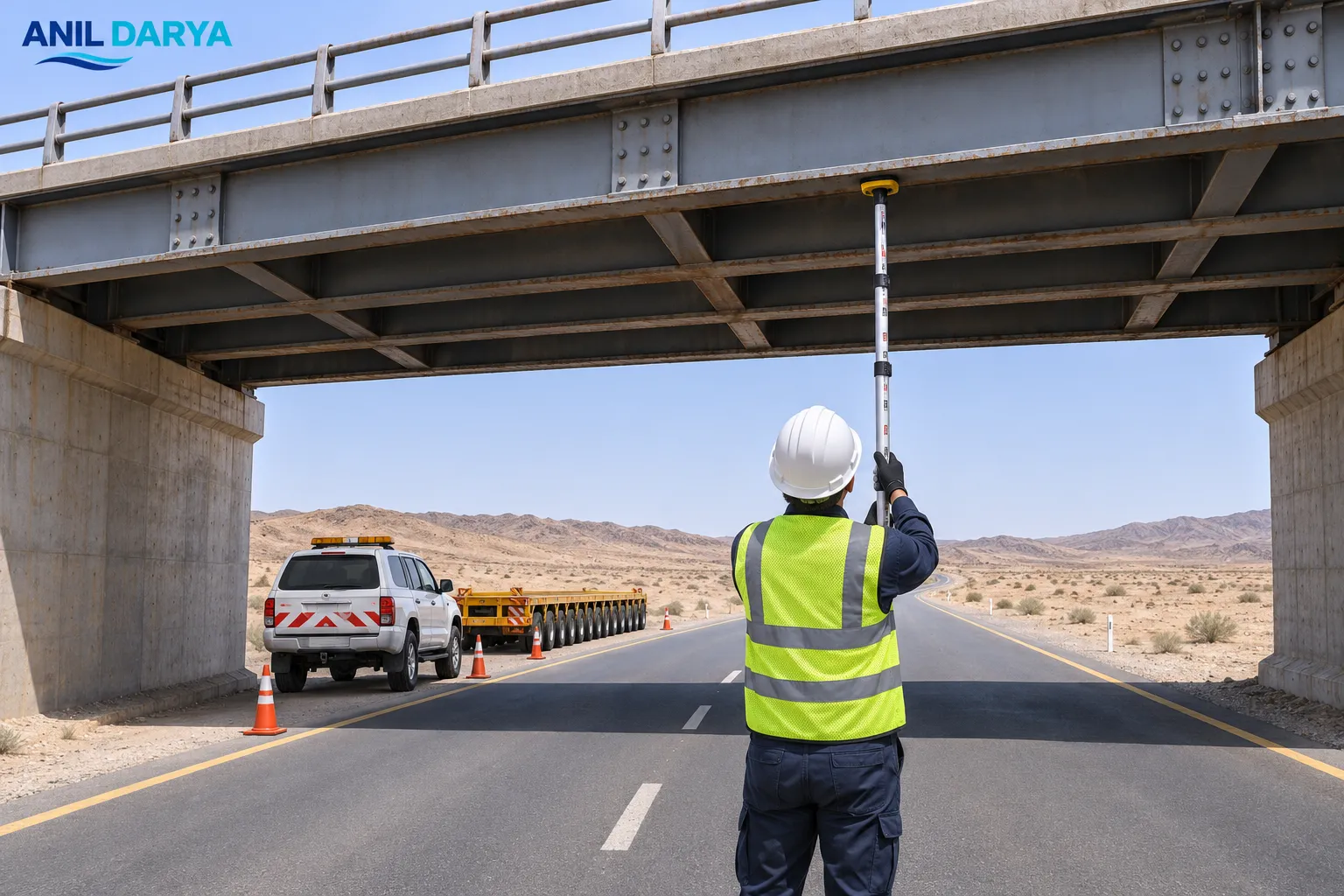
Third, the route survey from port to site. Bridges, culverts, overhead lines, junctions and permits are checked against the heaviest and the widest loads. Road permits can take longer than the voyage. When Mammoet moved a 400-tonne cracking column from the port of Huelva to a refinery in southern Spain, the public road permits took two months of work with three authorities and the police, while the drive took about two hours.
The UK Health and Safety Executive says a complex lift, such as a tandem lift with several cranes, needs a written plan from a person with specific competence. On our jobs the lift plans, lashing and stowage calculations are prepared and issued by our experienced specialists, and an independent marine warranty surveyor approves them where the insurer or charterer requires it. Lift planning itself is covered in our heavy lift shipping guide.
Incoterms and who controls the freight
The ICC describes the Incoterms 2020 rules as eleven three-letter trade terms that set out the tasks, costs and risks in delivering goods from seller to buyer. On an EPC project the Incoterm in each purchase order decides who books the ship, who arranges the lift at the load port and where risk passes.
The common mistake is letting each supplier sell on CFR or CIF to the nearest port with its own forwarder. The EPC contractor then has twenty different ships, twenty different arrival dates and no control over stowage or discharge. For heavy and critical items, we suggest FCA or FOB at the fabricator or load port, so one forwarder plans the whole sea leg and the discharge. Whichever term you pick, write the loading responsibilities into the purchase order: who supplies the saddles, who certifies the lugs, who pays for the lift onto the ship. Our article on Incoterms 2020 for sea freight explains each rule.
Insurance and marine warranty
Agree early who insures each leg, and whether a project cargo policy covers all orders under one roof. If the insurer requires a marine warranty surveyor, that requirement has to be known before the lift plans are drafted, because the surveyor reviews them before issuing approval. DNV's standard DNV-ST-N001 covers marine operations including load-out, voyages and the transport of objects by water, and sets out the load cases these plans have to address.
The IMO CSS Code adds a principle that matters for insurance as much as safety: stowage should be planned for the worst weather that can reasonably be expected on the voyage. Insurance options for project cargo are set out in break bulk and project cargo insurance.
Documents and customs at both ends
Customs problems are far easier to prevent in the purchase order than to fix at the port. Agree with every supplier, in the purchase order, the documents they must provide and when: commercial invoice, packing list with piece numbers that match the marking on the cargo, drawings with weight and centre of gravity, certificate of origin, test certificates, and any product approvals the destination country needs.
At the destination, agree who clears the cargo and how. For projects in the UAE we arrange customs clearance and arrange payment of the duty and VAT; the port side is described in break bulk documents and the port process in the UAE. For projects abroad, the consignee's customs broker should confirm the document list before the first order ships, not after the first vessel arrives.
The bill of lading needs a decision too. When we book, the shipping line's own B/L is issued and released to you through us as agent for the line. Make sure the consignee and notify party on it match what the destination customs expect.
Schedule: ready dates, vessel windows and site sequence
C.H. Robinson's guide to EPC challenges notes that a delay in critical-path freight can stall a whole project and that liquidated damages can follow. It recommends regular sequencing meetings so cargo does not arrive too early, filling the laydown area, or too late.
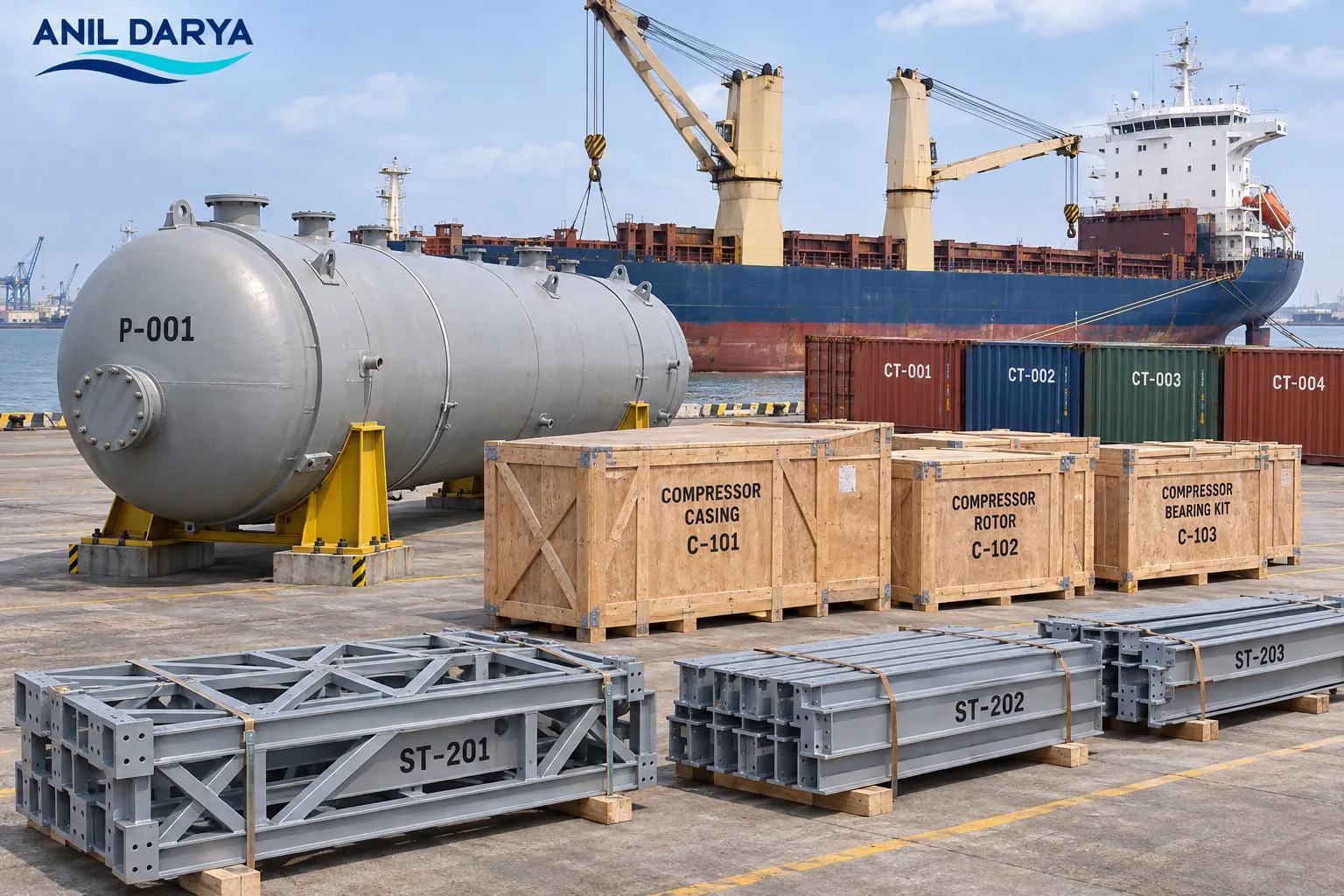
Three dates matter for every heavy piece: the fabricator's ready date, the vessel's loading window, and the on-site need date. Heavy lift ships are fewer than container ships and their windows do not move easily. When DSV shipped a 950-tonne fractionator from Malaysia to Indonesia in 2023, the team had three weeks to find a ship with enough crane capacity, obtain permits and prepare the shipping manual and method statement. Short notice like that is avoidable when the heavy lift list feeds the schedule from the start.
Cross-trade in EPC project logistics
Most EPC cargo never needs to pass through the contractor's home country. A compressor from Europe and a column from Asia can both go straight to the project port. As cross-trade, we book the shipping line from Dubai, coordinate surveyors and lift planning at each load port, and release the line's B/L to you through us as agent for the line. Destination clearance is agreed with the consignee's broker before anything ships.
The same project may also have cargo moving into the UAE for local fabrication, or out of Dubai from free zone stock. One forwarder handling all three keeps the plan in one place. Anil Darya's project work includes a refinery project in Iraq and parts for a refinery project in Saudi Arabia.
[AMIR-FACT: For the Iraq and Saudi Arabia refinery projects, the vessel types and routing used, and whether we visited the site or fabricators, without client names]
EPC project logistics checklist: what to agree, and when
| Item | Agree by | Agreed between |
|---|---|---|
| Logistics plan and container or break bulk split | Bid or early procurement | EPC contractor and forwarder |
| Heavy lift list with weights and centres of gravity | Early engineering | Engineering, suppliers and forwarder |
| Discharge port and route survey | Before vessel strategy is fixed | Forwarder, local transport contractor |
| Incoterms and loading responsibilities | In each purchase order | EPC contractor and supplier |
| Saddles, lugs and lift points | Before fabrication is finished | Supplier and forwarder's specialists |
| Insurance and marine warranty requirement | Before lift plans are drafted | EPC contractor, insurer, forwarder |
| Document list for each supplier and destination | In each purchase order | EPC contractor, supplier, destination broker |
| Ready dates, vessel windows and on-site need dates | Updated at every sequencing meeting | Procurement, site and forwarder |
Our break bulk quote checklist lists the cargo data suppliers should send with each order.
Free EPC logistics consultation before you place orders
Send us what you have at bid or early procurement stage: the equipment list or heavy lift list, drawings with weights and centres of gravity, packing lists if they exist, the supplier locations, the project site, and the required on-site dates.
Our specialists answer straight away by email, and we arrange a meeting in person when the project needs one. You get back the vessel types each heavy piece needs, the lift planning and surveys required, a documents list per supplier and for the destination, the checks on the discharge port and route, and a suggested routing into the UAE, out of Dubai, or as cross-trade from each supplier's country to the site. Contact us through the contact page or read our break bulk service overview.
Frequently asked questions
What is EPC project logistics?
It is the planning and control of how equipment and materials for an engineering, procurement and construction project move from suppliers to site, including transport, storage, customs and heavy lifts.
When should an EPC contractor appoint a freight forwarder?
At the bid or early procurement stage, before purchase orders fix the Incoterms, the fabricators' saddles and the ready dates.
What is a heavy lift list?
A list of every piece over an agreed weight or size, with dimensions, weight, centre of gravity, supplier and on-site date. It drives vessel choice, port choice and the route survey.
Which Incoterm is best for EPC project cargo?
There is no single answer. For heavy and critical items we suggest FCA or FOB, so one forwarder controls the sea leg and discharge. Smaller items can stay on the supplier's terms.
Who prepares the lift plan on an EPC project?
On our projects, our experienced specialists prepare and issue the lift plan, lashing and stowage calculations. An independent marine warranty surveyor approves them where an insurer or charterer requires it.
What documents should EPC suppliers provide for shipping?
Commercial invoice, packing list with piece numbers, drawings with weight and centre of gravity, certificate of origin, test certificates and any approvals the destination country requires.
Can EPC cargo ship directly from suppliers to the project without passing through Dubai?
Yes, as cross-trade. We book and coordinate from Dubai, release the line's B/L to you through us, and agree destination clearance with the consignee's broker before shipping.
Sources
- IMO: Code of Safe Practice for Cargo Stowage and Securing (CSS Code)
- DNV: DNV-ST-N001 Marine operations and marine warranty
- HSE: Planning and organising lifting operations
- ICC: Incoterms rules
- EY: Optimizing EPC logistics, containerized vs break bulk (April 2025)
- C.H. Robinson: Top 4 challenges EPCs face
- SIPMM: Effective logistics fulfilment for EPC projects (July 2019)
- HeavyLift PFI: Introduction to EPC project logistics, part one (January 2024)
- Breakbulk: DSV delivers fractionator to Indonesia (January 2023)
- Hydrocarbon Engineering: Mammoet installs cracking column in Spanish refinery (April 2019)
Reviewed: 16 November 2026